Border Crisis Deepens : States Rebel , Federal Power Tested

abstract. Although the United States and Canada have quite different constitutional frameworks. Today we will discuss about Border Crisis Deepens : States Rebel , Federal Power Tested
Border Crisis Deepens : States Rebel , Federal Power Tested
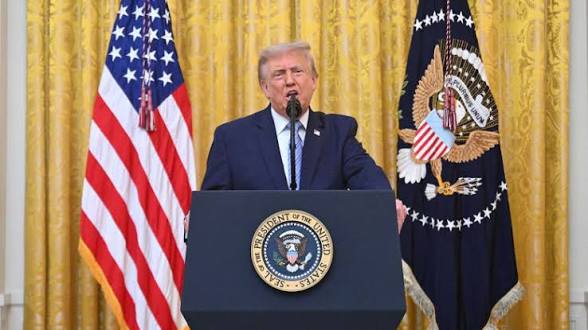
The United States is facing one of the most serious governance challenges of the modern era as the border crisis escalates into a direct confrontation between state governments and federal authority. What was once framed primarily as an immigration and humanitarian issue has now evolved into a constitutional and political struggle, testing the limits of federalism and exposing deep divisions over power, responsibility, and national security.
As migrant crossings continue at elevated levels and enforcement policies remain contested, several states—particularly along the southern border—are openly pushing back against Washington. These actions signal a broader rebellion fueled by frustration over perceived federal inaction and a belief among state leaders that extraordinary circumstances justify extraordinary measures.
A Crisis Built Over Years of Policy Deadlock
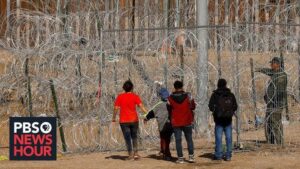
The current border crisis did not emerge overnight. For decades, the United States has struggled to reconcile economic needs, humanitarian obligations, and border enforcement. Repeated failures to pass comprehensive immigration reform left enforcement strategies largely dependent on executive decisions, court rulings, and temporary policy measures.
As migration pressures intensified in recent years, border states absorbed the immediate impact—overcrowded shelters, strained public services, increased law enforcement demands, and political backlash. The absence of a long-term national solution amplified tensions, convincing many state leaders that waiting for Congress or federal agencies was no longer viable.
This policy paralysis set the stage for a dramatic shift: states began asserting their own authority over border security, even when doing so placed them in direct conflict with federal law.
States Push Back: A New Era of Defiance
Texas and the Assertion of State Power
Texas has become the epicenter of state resistance. Arguing that the federal government has failed in its constitutional duty to secure the border, state leaders launched expansive enforcement efforts using state resources. These include deploying state law enforcement and National Guard units, constructing physical barriers, and enforcing state-level immigration violations.
Texas officials have framed the situation as a matter of self-defense, using strong language to justify actions typically reserved for federal authorities. By characterizing mass migration as an emergency threatening public safety and sovereignty, the state positioned itself as acting out of necessity rather than defiance.
This stance has led to high-profile standoffs between state and federal personnel, symbolizing a broader power struggle over who ultimately controls the border.
California’s Resistance Through Legal Channels
Unlike Texas, California’s challenge to federal authority has largely unfolded through courts and political institutions rather than physical enforcement. State leaders argue that federal overreach—particularly when involving state resources or personnel—violates constitutional norms and undermines state sovereignty.
California has emphasized civil liberties, due process, and the limits of executive power, framing its resistance as a defense of democratic principles rather than opposition to border enforcement itself. Lawsuits and formal objections have become the state’s primary tools in pushing back against federal actions perceived as unlawful or excessive.
Together, Texas and California illustrate how resistance to federal power crosses ideological lines, rooted not only in policy disagreements but also in competing interpretations of constitutional authority.
Federal Authority Under Pressure
Expanding Executive Power
In response to the escalating crisis, the federal government has expanded its use of executive authority. This includes increased deployment of federal personnel, stricter enforcement measures, and broader interpretations of emergency powers.
Supporters argue that decisive federal action is necessary to restore order, deter unlawful crossings, and maintain national security. Critics, however, warn that such measures risk bypassing democratic safeguards and concentrating power within the executive branch.
The growing reliance on emergency justifications has intensified concerns about precedent—raising questions about how far federal authority can extend during times of crisis.
The Constitutional Battle Over Immigration Control
At the heart of the conflict lies a fundamental constitutional question: who has the ultimate authority over immigration enforcement?
Federal law clearly establishes immigration as a national responsibility. However, some state leaders argue that when the federal government fails to enforce its own laws effectively, states retain the right to act in defense of their citizens.
Legal scholars remain divided. Many assert that federal supremacy leaves little room for independent state action in immigration matters. Others contend that the Constitution’s guarantee of protection to states creates ambiguity when federal enforcement collapses.
This unresolved debate has transformed the border crisis into a legal test case with implications far beyond immigration.
Public Reaction: A Nation Divided
The border crisis has ignited passionate responses across the country. Protests, rallies, and political mobilization reflect deep divisions over immigration, enforcement, and human rights.
Supporters of strict enforcement argue that uncontrolled migration undermines the rule of law, burdens taxpayers, and threatens public safety. Advocates for migrants counter that aggressive enforcement dehumanizes vulnerable populations and ignores the global forces driving displacement.
These competing narratives dominate public discourse, shaping media coverage, political campaigns, and policy priorities.
Economic Consequences Ripple Nationwide
Beyond politics, the crisis carries significant economic implications. Industries reliant on immigrant labor—such as agriculture, construction, and service sectors—face disruptions as enforcement actions intensify.
Local governments in border regions report rising costs associated with housing, healthcare, and public safety. At the same time, states receiving relocated migrants struggle to provide services without additional federal support.
The economic burden underscores the interconnected nature of the crisis: decisions made at the border reverberate through supply chains, labor markets, and local economies nationwide.
Humanitarian Costs and Moral Questions
The human dimension of the border crisis remains one of its most troubling aspects. Migrants often endure dangerous journeys, prolonged detention, and years-long legal uncertainty. Overcrowded facilities and delayed asylum processing compound the humanitarian challenge.
Faith leaders, advocacy groups, and international observers continue to raise concerns about conditions at the border and the moral responsibility of a nation built by immigrants.
Balancing compassion with enforcement remains one of the most difficult—and emotionally charged—elements of the crisis.
What Comes Next: Possible Paths Forward
Judicial Resolution
Courts are likely to play a decisive role in clarifying the limits of state and federal authority. Pending and future lawsuits could establish legal precedents that reshape immigration enforcement for decades.
Legislative Action
The escalating conflict may finally force Congress to act. Comprehensive reform—addressing border security, asylum procedures, labor needs, and enforcement authority—remains the most durable solution, though political obstacles remain significant.
Political Consequences
Immigration continues to rank among voters’ top concerns. How leaders respond to the crisis could influence elections, party platforms, and national identity debates.
Conclusion: A Defining Test of American Governance
The deepening border crisis represents more than a dispute over immigration—it is a stress test of American federalism itself. As states challenge federal authority and the federal government asserts its supremacy, the balance of power envisioned by the Constitution faces unprecedented strain.
This moment will likely shape future interpretations of state sovereignty, executive power, and national responsibility. Whether the United States emerges with stronger institutions or deeper divisions depends on its ability to reconcile law, humanity, and governance in the face of one of the most complex challenges of the modern era.
How useful was this post?
Click on a star to rate it!
Average rating 0 / 5. Vote count: 0
No votes so far! Be the first to rate this post.
About the Author

usa5911.com
Administrator
Hi, I’m Gurdeep Singh, a professional content writer from India with over 3 years of experience in the field. I specialize in covering U.S. politics, delivering timely and engaging content tailored specifically for an American audience. Along with my dedicated team, we track and report on all the latest political trends, news, and in-depth analysis shaping the United States today. Our goal is to provide clear, factual, and compelling content that keeps readers informed and engaged with the ever-changing political landscape.