FBI leadership crisis: top official resigns, politics heat up
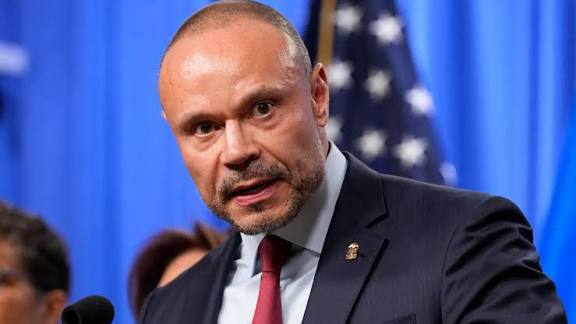
FBI Deputy Director Dan Bongino says he will resign from the bureau next month, ending a brief tenure. Today we will discuss about FBI leadership crisis: top official resigns, politics heat up
FBI leadership crisis: top official resigns, politics heat up
The Federal Bureau of Investigation (FBI), one of the most powerful and historically respected law enforcement agencies in the world, is facing one of the most serious leadership crises in its modern history. The resignation of a top FBI official has intensified political tensions in Washington and sparked a national debate about the independence, credibility, and future direction of the bureau.
As politics increasingly intersect with federal law enforcement, the FBI now finds itself at the center of a storm that raises critical questions: Can the agency remain impartial? Has political pressure reshaped its leadership? And what does this turmoil mean for national security and public trust?
A Sudden Resignation That Shocked Washington
In late 2025, the FBI confirmed that its Deputy Director, the bureau’s second-highest-ranking official, would step down from the role early next year. While resignations at senior levels are not unheard of, the circumstances surrounding this departure made it particularly significant.
The official had served only a short time in the position and was already a controversial figure due to his background outside traditional federal law enforcement leadership. His exit came amid internal disagreements, growing political scrutiny, and reports of strained relations within the Justice Department.
For many observers, the resignation was not an isolated event but rather a symptom of deeper instability inside the FBI.
Why the Deputy Director Role Matters
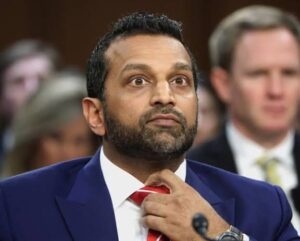
The Deputy Director plays a critical role in the FBI’s daily operations. Unlike the Director, who focuses heavily on external relations and long-term strategy, the Deputy Director oversees internal management, investigations, and coordination across field offices nationwide.
Any disruption at this level can affect:
Ongoing criminal and national security investigations
Morale among agents and analysts
Coordination with intelligence and law enforcement partners
Institutional continuity and operational effectiveness
When such a position becomes politicized or unstable, the ripple effects can be felt throughout the entire agency.
Political Background Fuels Controversy
The departing official’s appointment had raised eyebrows from the beginning. Prior to joining the FBI’s top leadership, he was widely known for his political commentary and media presence. Supporters viewed him as an outsider capable of reforming a powerful institution, while critics argued that his political past compromised the FBI’s tradition of neutrality.
During his tenure, reports emerged of disagreements over sensitive case files, investigative priorities, and internal transparency. These disputes fueled perceptions that political ideology was influencing law enforcement decisions — a charge the administration strongly denied.
Nevertheless, the perception of politicization proved damaging to the bureau’s credibility.
A Pattern of Leadership Turmoil
The FBI leadership crisis did not begin with this resignation. Over the past year, the bureau has experienced an unusual wave of departures, forced retirements, and internal reshuffling at senior levels.
Several high-ranking officials with decades of experience either stepped down or were removed under circumstances that sparked concern within the law enforcement community. Critics argue that these changes disrupted institutional knowledge and weakened the FBI’s ability to function independently.
Former officials have publicly expressed alarm, warning that rapid leadership turnover can erode professionalism and invite political influence into sensitive investigations.
Lawsuits and Allegations of Political Retaliation
Adding to the controversy, multiple former FBI leaders have filed lawsuits alleging they were removed due to political pressure rather than performance issues. These legal challenges claim that loyalty tests and ideological alignment began to outweigh experience and merit.
The lawsuits allege violations of civil service protections and constitutional principles, framing the leadership shake-up as part of a broader attempt to reshape the FBI’s mission and priorities.
While the Justice Department has rejected these claims, the legal battles are expected to continue and could expose internal communications and decision-making processes.
Congress Reacts: Oversight Intensifies
Lawmakers from both parties have responded sharply to the unfolding crisis.
Democratic Concerns
Democratic leaders have called for congressional hearings and independent investigations, warning that political interference in federal law enforcement threatens democratic institutions. They argue that undermining the FBI’s independence sets a dangerous precedent that could affect future administrations.
Republican Defense
Republican leaders and conservative voices, however, defend the leadership changes as long-overdue reforms. They argue that the FBI had become politicized in previous years and needed restructuring to restore accountability and public confidence.
This divide reflects broader polarization in American politics, where even national security institutions are no longer insulated from partisan conflict.
Impact on FBI Morale and Operations
Inside the FBI, the leadership crisis has taken a toll on morale. Reports suggest growing anxiety among agents and staff, many of whom worry about job security, shifting priorities, and the erosion of traditional safeguards.
Operational challenges have also emerged:
Delays in decision-making due to leadership gaps
Disruption in specialized units
Increased retirements among senior agents
Hesitation in pursuing politically sensitive cases
Experts warn that prolonged instability could weaken the FBI’s ability to respond effectively to threats such as terrorism, cybercrime, organized crime, and foreign espionage.
The Director’s Role Under Scrutiny
At the center of the storm is the FBI Director, whose leadership style and decisions have come under intense scrutiny. Supporters praise his willingness to challenge entrenched systems, while critics accuse him of prioritizing political loyalty over institutional integrity.
Under his tenure, the bureau has undergone structural changes, staffing reviews, and shifts in investigative focus. While some reforms may have merit, critics argue that the pace and nature of these changes have contributed to internal unrest.
Calls for stronger oversight and clearer boundaries between political leadership and law enforcement operations continue to grow.
Public Trust at Stake
Perhaps the most serious consequence of the FBI leadership crisis is the erosion of public trust.
The FBI relies on credibility to function effectively. Public cooperation, intelligence sharing, and interagency coordination all depend on confidence in the bureau’s impartiality.
Surveys and public commentary suggest that trust in the FBI has become increasingly divided along partisan lines — a troubling development for an agency meant to serve all Americans equally.
Restoring confidence will likely require transparency, stability, and a renewed commitment to nonpartisan professionalism.
What Happens Next?
As the Deputy Director prepares to officially step down, attention turns to who will replace him and whether the bureau can stabilize its leadership.
Key questions remain:
Will the next appointment prioritize experience over politics?
Can internal divisions be repaired?
Will legal challenges reshape leadership decisions?
How will Congress exercise oversight moving forward?
The answers will shape the FBI’s trajectory for years to come.
Conclusion: An Institution at a Turning Point
The resignation of a top FBI official has exposed deep fault lines within one of America’s most powerful institutions. What began as a leadership change has evolved into a broader debate about the role of politics in law enforcement, the limits of executive influence, and the future of institutional independence.
The FBI now stands at a crossroads. Whether it emerges stronger, more transparent, and more trusted — or further divided by political conflict — will depend on decisions made in the coming months.
One thing is clear: the outcome of this leadership crisis will have lasting implications not only for the FBI, but for the rule of law in the United States itself.
How useful was this post?
Click on a star to rate it!
Average rating 0 / 5. Vote count: 0
No votes so far! Be the first to rate this post.
About the Author

usa5911.com
Administrator
Hi, I’m Gurdeep Singh, a professional content writer from India with over 3 years of experience in the field. I specialize in covering U.S. politics, delivering timely and engaging content tailored specifically for an American audience. Along with my dedicated team, we track and report on all the latest political trends, news, and in-depth analysis shaping the United States today. Our goal is to provide clear, factual, and compelling content that keeps readers informed and engaged with the ever-changing political landscape.