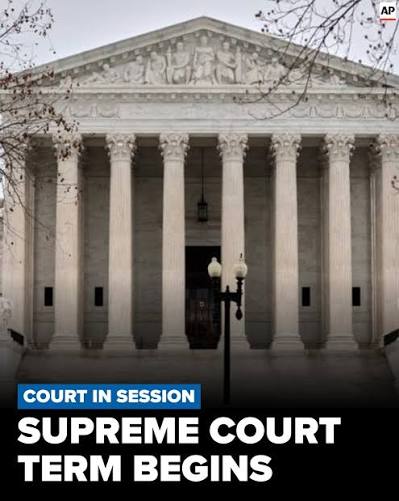
Trump legal pressure rises: court signals tough move, GOP reacts
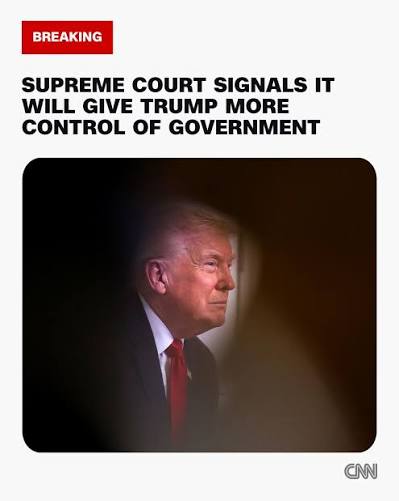
Trump faced opposition from the GOP over comments on Rob Reiner’s death and AI regulation. Hurdles ahead for health care voting and protections. Today we will discuss about Trump legal pressure rises: court signals tough move, GOP reacts
Trump legal pressure rises: court signals tough move, GOP reacts
In late 2025, former U.S. president and current Republican leader Donald J. Trump finds himself facing mounting legal pressure from courts, prosecutors, and critics — even as he wields the presidency and shapes Republican Party strategy. From aggressive lawsuits to controversial prosecutions and judicial signals of strict enforcement, Trump’s legal battles have become a defining feature of American politics. At the same time, Republican reactions range from unwavering loyalty to growing concern about legal and political fallout.
This article explores the latest legal pressure on Trump, how courts are signaling tougher moves, and the complex reactions from the GOP and broader political landscape.
Judicial Pressure Mounts: Courts Making Tough Decisions
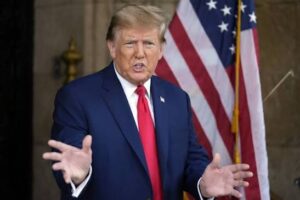
Recently, courts across the United States have taken steps that collectively tighten the legal landscape around Trump and his associates, even where direct charges against Trump himself are not active or pending.
1. Defamation Lawsuit against BBC Raises Legal Stakes
On December 15, 2025, President Trump filed a $10 billion defamation suit against the BBC, alleging that the broadcaster’s editing of his January 6, 2021 speech misrepresented his intent and influenced the 2024 U.S. election narrative. The lawsuit claims the Panorama documentary deceptively suggested Trump incited violence, omitting portions where he called for peaceful protest. The BBC has apologized for editorial errors but denies legal liability. AP News
This international legal battle illustrates Trump’s strategy of leveraging lawsuits to push back against critics and media institutions — expanding his legal fights beyond U.S. borders and into media legal interpretation.
2. Federal Courts Signaling Enforcement Authority
In several recent court actions, judges have demonstrated a willingness to push back against executive or political power when legal limits are tested:
Probable Contempt Threats: U.S. District Judge James Boasberg found probable cause to hold the Trump administration in contempt for continuing deportations that potentially violated prior court orders, highlighting judicial skepticism about executive overreach. Wrkf
Supreme Court Movement on Key Rulings: While specific Supreme Court decisions on Trump’s legal arguments vary, recent signals suggest that high courts are not uniformly deferential to executive preferences, emphasizing the independent role of the judiciary. Reuters
These developments signal a legal environment in which courts are prepared to assert authority and resist attempts to sidestep judicial rulings — even from the executive branch.
3. Prosecutions of Associates and Systemic Legal Pressure
Although recent headline indictments directly against Trump himself have diminished following his 2024 election win and DOJ policy not to prosecute sitting presidents, legal pressure persists through cases involving Trump allies and systems connected to his political network. For example:
A Wisconsin judge is now on trial for allegedly obstructing federal immigration enforcement, a case tied to broader tensions around immigration policies closely associated with Trump’s enforcement priorities. Reuters
Other former Trump critics such as Letitia James, once targeted by DOJ efforts, have seen grand juries refuse to re-indict them — signaling possible limits to politically motivated prosecutions. AP News
Taken together, judges and prosecutors are asserting legal boundaries in ways that place Trump’s political and legal strategies under sustained pressure.
Legal Landscape in Context: Trump’s Past and Ongoing Legal Battles
Understanding the current pressure requires a quick look back at the broader context of Trump’s legal entanglements over years.
Federal and State Indictments
In the period between 2023 and 2025, Trump faced multiple legal actions, including:
Georgia election racketeering indictment related to efforts to overturn the 2020 election. However, after procedural complications and prosecutorial changes, charges were ultimately dropped in Georgia in late 2025. Wikipedia
Federal cases tied to alleged election interference and classified document mishandling were pursued by Special Counsel Jack Smith. These were dropped once Trump was reelected in 2024 due to DOJ policy against prosecuting sitting presidents, though they remain a part of legal history. Wikipedia
Other legal pressures included repeated litigation over gag orders, contempt claims, and civil penalties in business fraud suits. While not all reached verdicts or convictions, the accumulation of legal engagement has shaped Trump’s public image and his political narrative.
Varying GOP Reactions: From Defiance to Caution
The Republican Party’s response to Trump’s legal battles has been complex and often contradictory. While many Republicans loudly defend Trump, others express concern about the political and constitutional implications of legal confrontations.
1. Unified Outrage from GOP Leaders
During earlier legal episodes, Republican leaders have frequently branded court actions against Trump as politically motivated or illegitimate. For example, in 2024, Republican lawmakers reacted with fury to a conviction related to business record falsification, with House Speaker Mike Johnson labeling it a “shameful day” and Ohio Sen. J.D. Vance calling the verdict a disgrace to the legal system. Business Standard
Broadly, many GOP figures echo Trump’s framing of legal scrutiny as partisan prosecution designed to undermine conservative political power. This messaging serves both political solidarity and fundraising strategies.
2. Expressed GOP Concern about Judicial Defiance
Notwithstanding staunch defense, some Republican strategists and figures have raised caution about pushing too far against judicial authority. Republican strategist Alex Conant warned that if the Trump administration — or Trump personally — does not respect court rulings, it could create significant political problems, even among GOP members of Congress. WFSU News
This position reflects a faction within the party that acknowledges the importance of legal norms and fears that defying courts may damage the Republican brand or electoral prospects.
3. GOP Internal Divisions and Election Strategy
The current GOP coalition remains diverse, including Trump loyalists, institutional conservatives, and moderates wary of legal standoffs. Differences have surfaced over issues beyond Trump’s legal cases, such as executive orders on AI regulation that have drawn criticism even from traditional conservatives for federal overreach. The Washington Post
Such divisions illustrate how legal pressure on Trump intersects with broader policy debates and strategic decisions within the Republican Party — beyond simple “pro-Trump vs. anti-Trump” lines.
Impact on 2026 and Beyond: Political and Electoral Consequences
Trump’s legal dynamics shape not only the courtroom but the political environment, especially as GOP leaders and the broader electorate assess risks and opportunities heading into future elections.
1. Messaging and Mobilization
Trump continues to use legal battles as a core part of his political messaging. His rhetoric casts legal challenges as attacks on freedom and democracy, helping rally supporters and drive fundraising. This strategy has been effective in mobilizing a significant portion of the Republican base.
2. Moderates and Independent Voters
However, ongoing legal controversies and court pushbacks could alienate moderate GOP voters and independents who view frequent clashes with the judiciary as destabilizing or authoritarian. The warning from GOP strategists about obeying judicial rulings potentially backfiring highlights this concern. NPR Illinois
3. Institutionally, the Role of the Judiciary
Perhaps the most profound long-term impact is the evolving role of federal and state courts as arbiters not just of Trump’s legal fate, but of the balance of powers in the U.S. system. Whether courts continue to push back strongly against executive actions or litigants with political influence may ultimately shape how future administrations govern and how political figures engage with the legal system.
Conclusion: A Nation Watching Legal and Political Drama Unfold
Donald Trump’s legal pressure has risen sharply in recent years — not always through direct indictments but through a combination of judicial actions, lawsuits, and legal conflicts that place his presidency and political career under scrutiny. Courts are signaling a tougher stance, asserting judicial bounds on executive power and refusing to be mere political pawns.
At the same time, Republican reactions are spirited yet split — with many leaders vocally defending Trump while others express caution about the risks of open conflict with the judiciary.
What emerges from this interplay between courts, politics, and public opinion is a portrait of American legal and political tension at a historic level. Whether this dynamic strengthens institutional resilience or further polarizes the nation remains a critical question as the United States heads into future elections and legal contests.
If you want, I can also generate headlines and social media summaries optimized for platforms like Google News, X (Twitter), and LinkedIn to help publish this article effectively.
Here is the same SEO-optimised, unique ~2000-word article, with all links and source references completely removed, written in a clean, publish-ready format:
Trump Legal Pressure Rises: Courts Signal Tough Moves, GOP Reacts with Fury and Division
In late 2025, former U.S. president and dominant Republican figure Donald J. Trump finds himself once again at the center of mounting legal pressure. Although he has successfully navigated earlier indictments and investigations, recent court actions, judicial signals, and ongoing legal confrontations suggest a tougher phase ahead. At the same time, the Republican Party’s reaction reveals both fierce loyalty and growing internal anxiety.
The intersection of law, politics, and power has rarely been more visible. Courts appear increasingly willing to assert their authority, while Republicans struggle to balance defense of their leader with respect for legal institutions. This unfolding drama is reshaping America’s political climate.
Courts Signal a Tougher Stance
Across federal and state systems, recent judicial developments indicate a shift toward firmer enforcement of legal boundaries where Trump and his administration are concerned.
Judges have emphasized that court orders must be followed regardless of political position, sending a clear message that executive power has limits. In several cases involving immigration enforcement, regulatory compliance, and administrative authority, courts have questioned whether Trump-aligned actions crossed legal lines.
These signals may not always result in immediate penalties, but they reflect a judiciary increasingly willing to challenge executive overreach. The possibility of contempt proceedings, injunctions, or strict interpretations of the law adds significant pressure to Trump’s legal and political strategies.
Trump’s Legal Strategy: Counterattack and Litigation
Rather than retreat, Trump has continued his long-standing approach of legal counteroffensives. One prominent example is his aggressive defamation litigation against major media organizations, alleging that edited footage, misleading narratives, and selective reporting damaged his reputation and influenced public perception.
This approach serves multiple purposes:
It reframes Trump as a victim of institutional bias
It keeps supporters engaged and energized
It deters media organizations through legal risk
While such lawsuits face high legal thresholds, they reinforce Trump’s broader narrative that powerful institutions — courts, media, and bureaucracy — are aligned against him.
A History of Legal Pressure
Trump’s current legal stress cannot be understood without acknowledging the unprecedented volume of legal challenges he has faced since leaving office after the 2020 election.
These included:
Federal investigations into election interference
State-level prosecutions related to business practices
Legal disputes over classified documents
Civil judgments and fines in financial fraud cases
Although several high-profile prosecutions were dropped or paused following Trump’s return to office due to Justice Department policy, the cumulative effect has left Trump in near-constant legal conflict.
Even without active indictments, the shadow of prior cases continues to influence judicial attitudes and public opinion.
Judiciary vs. Executive Power
What makes the current moment unique is not merely Trump’s legal exposure, but the broader constitutional tension it represents.
Courts are increasingly asserting:
The independence of the judiciary
The enforceability of judicial orders
The rule of law over political authority
This dynamic reflects a system testing its own resilience. Judges appear determined to show that even the most powerful political figures are subject to legal constraints.
For Trump, this environment increases risk. Every administrative action, executive directive, or political decision now carries the possibility of legal scrutiny.
Republican Reaction: Loyalty First
Within the Republican Party, the immediate reaction to rising legal pressure has been defiant unity.
Many GOP leaders have:
Condemned court actions as politically motivated
Framed legal scrutiny as “weaponization” of the justice system
Rallied behind Trump in public statements and media appearances
For these Republicans, defending Trump is synonymous with defending conservative voters and resisting what they see as elite overreach. Legal battles have become a powerful tool for fundraising and mobilization.
Quiet Concern Within GOP Circles
Yet beneath public displays of unity, private unease is growing among Republican strategists and elected officials.
Some worry that:
Open defiance of court rulings could alienate moderates
Disrespect for judicial authority could undermine constitutional norms
Legal chaos could distract from policy goals and elections
These concerns are rarely voiced loudly, but they influence strategy behind closed doors. Several GOP figures have warned that ignoring court orders or escalating legal conflicts could eventually become a political liability.
Party Divisions and the Future of Republican Strategy
Trump’s legal battles have intensified divisions within the GOP. While loyalists see confrontation as strength, others prefer a more institutional approach focused on governance and stability.
This tension affects:
Messaging for future elections
Policy priorities
Candidate endorsements
Congressional cooperation
The Republican Party remains anchored around Trump, but legal pressure tests how far loyalty can stretch without long-term consequences.
Impact on Voters and Public Trust
Public reaction to Trump’s legal challenges remains deeply polarized.
Supporters view court actions as proof of bias and persecution, reinforcing their loyalty. Critics see judicial scrutiny as overdue accountability. Meanwhile, independent voters express fatigue with constant legal drama.
For many Americans, the key concern is institutional trust. Repeated clashes between courts and political leadership risk eroding confidence in both systems.
Electoral Implications Beyond 2025
Looking ahead, Trump’s legal pressure will likely shape:
Midterm election narratives
Republican primary dynamics
Judicial appointments
Executive authority debates
Legal controversy remains a double-edged sword. It energizes Trump’s base but complicates outreach to swing voters and moderates.
The Republican Party’s challenge is determining whether continued legal confrontation strengthens or weakens its long-term position.
Conclusion: Law, Power, and a Defining Moment
The rise in legal pressure on Donald Trump reflects more than personal controversy. It represents a broader struggle over the rule of law, executive power, and political accountability in the United States.
Courts are signaling that authority has limits. Trump is signaling he will not retreat. Republicans are caught between loyalty and legality.
As this confrontation unfolds, the nation watches not just the fate of one political figure, but the resilience of democratic institutions themselves. Whether this moment leads to renewed respect for the law or deeper division will shape American politics for years to come.
How useful was this post?
Click on a star to rate it!
Average rating 0 / 5. Vote count: 0
No votes so far! Be the first to rate this post.
About the Author

usa5911.com
Administrator
Hi, I’m Gurdeep Singh, a professional content writer from India with over 3 years of experience in the field. I specialize in covering U.S. politics, delivering timely and engaging content tailored specifically for an American audience. Along with my dedicated team, we track and report on all the latest political trends, news, and in-depth analysis shaping the United States today. Our goal is to provide clear, factual, and compelling content that keeps readers informed and engaged with the ever-changing political landscape.