America on Edge: Protests Build, Police Response, Political Divide Deepens
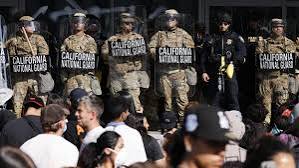
The United States is experiencing a period of significant social unrest driven by deep political polarization and the resulting increase in both protests and actual political violence. Today we will discuss about America on Edge: Protests Build, Police Response, Political Divide Deepens
America on Edge: Protests Build, Police Response, Political Divide Deepens
The United States is navigating one of the most turbulent periods in its modern history. Across cities, towns, and university campuses, protests have erupted with growing intensity, reflecting deep frustration over governance, social justice, economic pressures, and perceived threats to democratic values. What began as issue-specific demonstrations has evolved into a broad national movement that reveals a society under strain. As crowds grow larger and protests more frequent, law enforcement responses have intensified, and political divisions have deepened, placing America on edge.
This moment is not defined by a single cause but by overlapping crises — political polarization, declining trust in institutions, debates over civil liberties, and unresolved tensions surrounding race, inequality, and power. Together, these forces are reshaping public life and testing the resilience of American democracy.
The Rise of Nationwide Protests

From Local Grievances to National Mobilization
In 2025, protests across the United States reached unprecedented scale. Demonstrations that once remained local quickly spread nationwide, driven by shared frustrations across ideological and geographic lines. Millions of Americans participated in coordinated marches demanding accountability, fairness, and policy change. These protests were notable not only for their size but for their diversity — participants included students, workers, retirees, veterans, and families.
What made this wave distinct was its broad appeal. Protesters rallied against healthcare policy changes, immigration enforcement, economic inequality, voting access, and perceived government overreach. Many participants viewed the protests as a last resort, believing traditional political channels had failed to address their concerns.
Symbolism and Messaging
Protest slogans and signage reflected a deep fear that democratic norms were eroding. Phrases emphasizing freedom, equality, and constitutional rights dominated public spaces. Rather than focusing on a single leader or party, many demonstrators framed their message as a defense of democracy itself. This framing helped unify groups that might otherwise disagree on specific policies.
Campus Protests and Youth Activism
Universities as Flashpoints
College campuses became central arenas of protest activity. Students organized mass demonstrations around international conflicts, civil liberties, and institutional accountability. These protests often sparked clashes with university administrations and law enforcement, resulting in arrests, suspensions, and disciplinary actions.
For many students, activism was viewed as an extension of civic responsibility. Critics, however, argued that some protests disrupted academic life and crossed legal boundaries. These tensions highlighted broader generational divides in how Americans view protest, free speech, and authority.
A Generation Shaped by Crisis
Young Americans have grown up amid economic instability, global pandemics, political chaos, and climate anxiety. These experiences have fueled a sense of urgency and skepticism toward established institutions. Their activism reflects not only specific grievances but also a desire for systemic change and long-term security.
Historical Roots of the Current Unrest
Racial Justice and Police Accountability
The current protest climate did not emerge overnight. It builds on years of activism following high-profile incidents involving police use of force. Protests demanding racial justice and accountability exposed deep mistrust between communities and law enforcement. While some reforms were enacted, many activists believe progress has been slow and insufficient.
Long-running unrest in several major cities demonstrated how unresolved grievances can evolve into sustained movements. These earlier protests laid the foundation for today’s broader mobilizations by normalizing mass demonstrations as a tool for political expression.
Lingering Trauma and Unresolved Questions
Communities affected by past unrest continue to grapple with economic damage, psychological trauma, and strained relationships with authorities. The failure to fully address these consequences has allowed anger and resentment to persist, contributing to the volatility seen today.
Law Enforcement Response Under Scrutiny
Escalation and Crowd Control
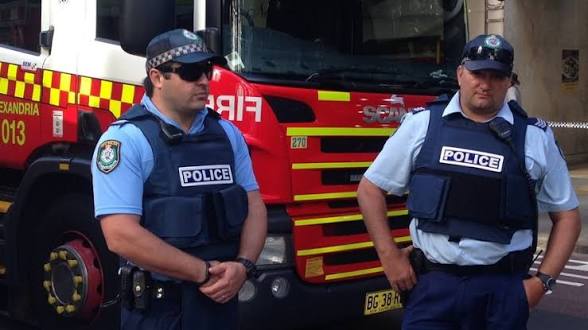
As protests expanded, police departments increased their presence and adopted more aggressive crowd-control measures. Officers used barricades, curfews, and mass arrests to contain demonstrations. In some cities, authorities deployed riot gear and tactical units even during largely peaceful protests.
Supporters of these tactics argue they are necessary to prevent violence and protect property. Critics contend that heavy-handed responses escalate tensions and infringe on constitutional rights.
Surveillance and Civil Liberties
Modern policing increasingly relies on surveillance technologies. Protesters and civil liberties advocates have raised concerns that data collection tools are being used to monitor lawful political activity. They argue that such practices discourage participation and create a climate of fear.
The debate over surveillance highlights a broader tension between public safety and personal freedom — a recurring theme in America’s response to dissent.
Military and Federal Involvement
In certain cases, state and federal authorities have called in National Guard units or other federal resources to support local police. While officials describe these deployments as precautionary, their presence has sparked controversy. Many Americans view military involvement in civilian protests as a troubling sign of democratic erosion.
Political Polarization Intensifies
A Nation Divided in Perception
Americans are deeply divided in how they interpret protests. To some, demonstrators represent engaged citizens defending democracy. To others, protests symbolize disorder, lawlessness, and threats to national stability. These conflicting narratives often align with partisan identities, reinforcing existing divisions.
Polling consistently shows that Americans believe political violence is increasing, yet disagree sharply on who is responsible and why. This lack of consensus makes constructive dialogue increasingly difficult.
Violence as a Political Flashpoint
High-profile acts of political violence have further inflamed tensions. Rather than uniting the nation in condemnation, such incidents often deepen partisan blame and mistrust. Each side accuses the other of fostering extremism, while calls for unity struggle to gain traction.
Declining Trust in Institutions
Trust in government, media, and law enforcement has fallen to historic lows. Many citizens feel disconnected from decision-makers and skeptical that their voices matter. This erosion of trust fuels both protest participation and aggressive state responses, creating a feedback loop of confrontation.
Media, Technology, and Protest Dynamics
The Power of Social Media
Digital platforms have transformed how protests are organized and perceived. Activists use social media to mobilize supporters rapidly, share real-time updates, and document encounters with police. These tools amplify voices that might otherwise go unheard.
However, social media also spreads misinformation and emotionally charged content that can inflame tensions. Viral clips often lack context, shaping public opinion in polarized and sometimes misleading ways.
Narratives and Counter-Narratives
Competing narratives dominate public discourse. One portrays protests as a necessary challenge to injustice; another frames them as destabilizing threats. Media outlets, influencers, and political leaders play a significant role in shaping these interpretations, further entrenching divisions.
Economic and Social Pressures Beneath the Surface
Cost of Living and Inequality
Beyond political ideology, economic stress fuels unrest. Rising housing costs, healthcare expenses, and wage stagnation have left many Americans feeling insecure. Protests often reflect these underlying anxieties, even when framed around specific policies or events.
Marginalization and Identity
Communities that feel excluded from economic opportunity or political power are more likely to engage in protest. Issues of race, immigration, gender, and class intersect in complex ways, creating overlapping movements that challenge traditional political categories.
Can Protest Lead to Change?
Historical Lessons
American history shows that protest can drive significant reform — from civil rights legislation to labor protections. However, success often depends on sustained engagement, strategic leadership, and willingness from institutions to respond.
Barriers to Progress
Today’s extreme polarization makes compromise difficult. Political leaders risk backlash from their base if they engage with opposing viewpoints. As a result, protests may raise awareness without translating into meaningful policy change.
Paths Toward De-Escalation and Renewal
Rebuilding Trust
Reducing unrest requires restoring faith in institutions. Transparency, accountability, and genuine engagement with communities are essential. Without trust, even well-intentioned reforms may be dismissed as performative.
Policing Reform and Accountability
Many experts argue that rethinking policing practices — including training, oversight, and use of force — is critical. Balanced reforms can improve public safety while protecting civil liberties.
Strengthening Civic Engagement
Long-term stability depends on creating inclusive avenues for political participation. Civic education, local dialogue initiatives, and institutional reforms can help channel dissent into constructive outcomes.
Conclusion
America stands at a pivotal moment. The protests sweeping the nation are symptoms of deeper structural challenges — political polarization, economic inequality, and eroding trust. How leaders and citizens respond will shape the country’s future.
Protest remains a powerful expression of democratic engagement, but it also exposes the fragility of social cohesion. Whether the United States can move from confrontation to consensus will determine if this era is remembered as a breaking point — or a catalyst for renewal.
How useful was this post?
Click on a star to rate it!
Average rating 0 / 5. Vote count: 0
No votes so far! Be the first to rate this post.
About the Author

usa5911.com
Administrator
Hi, I’m Gurdeep Singh, a professional content writer from India with over 3 years of experience in the field. I specialize in covering U.S. politics, delivering timely and engaging content tailored specifically for an American audience. Along with my dedicated team, we track and report on all the latest political trends, news, and in-depth analysis shaping the United States today. Our goal is to provide clear, factual, and compelling content that keeps readers informed and engaged with the ever-changing political landscape.