White House Under Pressure: Federal Moves, State Resistance, Power Struggle Grows
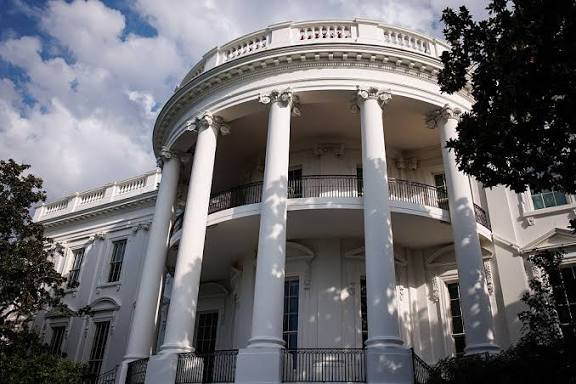
The headline “White House under pressure” reflects the Trump administration’s growing power struggle. Today we will discuss about White House Under Pressure: Federal Moves, State Resistance, Power Struggle Grows
White House Under Pressure: Federal Moves, State Resistance, Power Struggle Grows
The White House is facing mounting pressure as an intensifying power struggle unfolds between federal authority, state governments, the judiciary, and civil society. A series of assertive federal actions has triggered resistance from states and legal challenges from courts, raising serious questions about the balance of power in the American political system. As tensions escalate, the struggle reflects a broader test of federalism, executive authority, and democratic norms.
Federal Authority Pushes Boundaries

In recent months, the federal government has taken bold steps to consolidate control over areas traditionally managed by states. These actions span law enforcement, immigration, technology regulation, and national security. Supporters within the administration argue that decisive federal leadership is necessary to maintain national cohesion, security, and economic competitiveness.
However, critics contend that several federal moves represent executive overreach. They argue that these actions bypass Congress, weaken states’ rights, and undermine the constitutional balance designed to prevent concentration of power in the executive branch.
States Push Back Strongly
State governments—particularly those led by opposition parties—have emerged as key centers of resistance. Multiple states have enacted laws or policies directly challenging federal directives, especially in areas such as immigration enforcement, labor protections, and emerging technologies like artificial intelligence.
Some states have limited cooperation with federal agencies, asserting their right to self-governance under the U.S. Constitution. Governors and state attorneys general have framed their resistance as a defense of democratic principles, civil liberties, and local autonomy.
This growing defiance highlights a widening divide between federal priorities and state-level governance, turning state capitols into battlegrounds in a national power struggle.
Courts Step In as Referees
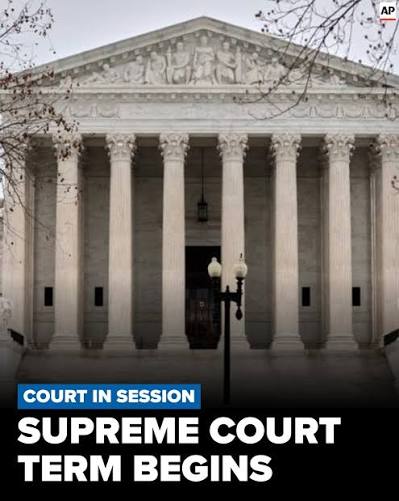
The judiciary has played a critical role in checking federal authority. Several high-profile court rulings have temporarily blocked or reversed federal actions deemed unconstitutional or procedurally flawed. Judges have emphasized that executive power, while broad, is not unlimited and must adhere to established legal frameworks.
These rulings have reinforced the role of courts as guardians of constitutional balance, even as they draw sharp criticism from federal officials who accuse the judiciary of obstructing governance.
Civil Liberties Under Scrutiny
Civil rights organizations and watchdog groups warn that the current trajectory threatens fundamental freedoms. Concerns include increased surveillance, federal intervention in protests, restrictions on labor organizing, and aggressive immigration enforcement tactics.
Reports from civic groups suggest that public trust in democratic institutions is under strain, as citizens question whether checks and balances are functioning effectively. This has fueled protests, legal advocacy, and grassroots mobilization across the country.
The Symbolism of Power and Control
Beyond policy, symbolic disputes have also intensified the controversy. Legal challenges related to federal construction projects and executive decisions affecting historic institutions have sparked debate about transparency, oversight, and respect for established norms.
These symbolic clashes reinforce perceptions that the White House is pushing institutional boundaries, further inflaming opposition from preservationists, lawmakers, and the public.
Federalism at a Crossroads
At its core, the conflict reflects a deeper constitutional question: how much power should reside in Washington versus the states? The U.S. system of federalism was designed to balance national unity with local autonomy. Today, that balance appears increasingly fragile.
Political analysts warn that continued escalation could set long-term precedents redefining executive authority and state resistance. Whether this moment leads to a recalibration of power or a prolonged constitutional standoff remains uncertain.
What Lies Ahead
As lawsuits multiply and political divisions deepen, the White House faces sustained scrutiny from courts, states, and civil society. The coming months are likely to determine whether federal authority expands further or is reined in by legal and political resistance.
One thing is clear: the growing power struggle is not a temporary clash, but a defining moment for American governance—testing the resilience of democratic institutions and the limits of executive power.
How useful was this post?
Click on a star to rate it!
Average rating 0 / 5. Vote count: 0
No votes so far! Be the first to rate this post.
About the Author

usa5911.com
Administrator
Hi, I’m Gurdeep Singh, a professional content writer from India with over 3 years of experience in the field. I specialize in covering U.S. politics, delivering timely and engaging content tailored specifically for an American audience. Along with my dedicated team, we track and report on all the latest political trends, news, and in-depth analysis shaping the United States today. Our goal is to provide clear, factual, and compelling content that keeps readers informed and engaged with the ever-changing political landscape.