Air Force One Delay Sparks Scandal: Replacement Snag Threatens Timelines
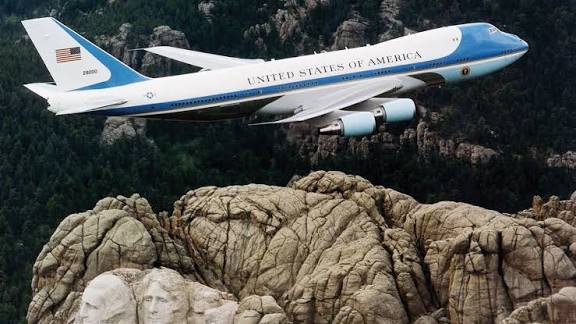
The program to replace Air Force One (VC-25B) is years behind schedule and billions over budget, with the U.S. Air Force recently pushing the expected delivery date to mid-2028. Today we will discuss about Air Force One Delay Sparks Scandal: Replacement Snag Threatens Timelines
Air Force One Delay Sparks Scandal: Replacement Snag Threatens Timelines
The prolonged delay in replacing Air Force One, the aircraft that serves as the airborne symbol of American presidential power, has ignited a growing political and national security controversy. What was intended to be a smooth modernization of the presidential fleet has instead become a cautionary tale of missed deadlines, ballooning costs, and institutional failures. As timelines continue to slip, the delay has evolved into a full-scale scandal with implications far beyond aviation.
At the center of the controversy is the replacement of the aging Air Force One aircraft — a project years behind schedule and billions of dollars over initial expectations. The growing uncertainty surrounding delivery dates has sparked outrage in Congress, concern among defense experts, and frustration within the executive branch. More troubling still, the delay has forced consideration of unconventional interim solutions, further inflaming ethical and security debates.
What Makes Air Force One So Critical
Air Force One is far more than a mode of transportation. While technically a call sign used for any Air Force aircraft carrying the sitting president, the aircraft commonly known as Air Force One is a highly specialized flying command center. It is designed to allow the president to govern during emergencies, communicate securely with military and civilian leaders worldwide, and withstand extreme threats.
The current aircraft entered service in the early 1990s. After more than three decades of continuous operation, these planes are increasingly difficult and expensive to maintain. Outdated systems, rising maintenance costs, and evolving security threats made replacement not just desirable, but necessary.
The Replacement Plan That Went Off the Rails
The U.S. Air Force awarded a contract to build two new presidential aircraft based on the Boeing 747-8 platform. The deal was finalized with expectations that the first aircraft would be delivered by the mid-2020s. The goal was straightforward: modernize the fleet while keeping costs under control.
Instead, the program quickly encountered turbulence.
Slipping Deadlines
Initial delivery targets proved unrealistic. Complex customization requirements, supply chain disruptions, and technical challenges delayed production. Over time, projected delivery dates moved repeatedly, pushing completion several years into the future. What was once expected to be ready within a single presidential term now risks extending well beyond it.
Each delay has compounded pressure on the Air Force to keep the existing fleet operational longer than planned, increasing maintenance costs and operational strain.
Escalating Costs
Although the contract was structured to limit taxpayer exposure, delays have still contributed to overall program inflation. The contractor has absorbed massive financial losses, while the government faces additional expenses related to sustaining older aircraft and extending support contracts.
These rising costs have fueled criticism that the original agreement underestimated the complexity of converting a commercial aircraft into one of the most secure and technologically advanced planes in the world.
Technical Challenges and Quality Concerns
The process of transforming a commercial jumbo jet into Air Force One involves thousands of modifications. These include secure communications systems, hardened electrical wiring, missile defense countermeasures, and specialized medical facilities.
Inspections revealed deficiencies that required extensive rework, including wiring issues and system integration problems. Each fix triggered further testing and certification requirements, slowing progress even more.
Defense analysts argue that these issues highlight broader problems within the aerospace manufacturing ecosystem, where highly customized government aircraft programs struggle to align commercial production processes with military-grade expectations.
Political Backlash and Congressional Scrutiny
As delays mounted, lawmakers from both major political parties began questioning how such a critical program could fall so far behind schedule.
Bipartisan Frustration
Members of Congress have demanded explanations from both the Department of Defense and the contractor. Hearings have focused on accountability, oversight failures, and whether procurement practices need reform.
Some lawmakers argue that the situation reflects a deeper dysfunction in how large defense contracts are structured, while others blame mismanagement and overly optimistic timelines.
Impact on Presidential Operations
The ongoing reliance on aging aircraft raises concerns about reliability and readiness. While officials insist the current fleet remains safe, the operational risk increases with time. The president’s ability to travel securely and respond rapidly during global crises is a matter of national security, not convenience.
The Foreign Jet Controversy
Perhaps the most explosive element of the scandal emerged when reports surfaced about a proposed temporary solution involving a foreign-provided aircraft.
An Unprecedented Proposal
Faced with mounting delays, an offer reportedly emerged from a foreign ally to provide a large aircraft that could potentially be adapted for presidential use. Supporters framed the idea as a stopgap measure that would relieve pressure while the replacement program drags on.
Ethical and Legal Concerns
The proposal immediately triggered backlash. Critics warned that accepting such a gift could raise serious ethical questions, blur lines between diplomacy and dependency, and undermine public trust. Others questioned whether existing laws even allow the acceptance of such high-value foreign assets.
Security Risks
National security experts also voiced alarm over the feasibility of converting a foreign aircraft into a secure presidential platform. Retrofitting would require years of work and massive investment, eliminating much of the supposed time savings. Concerns about hidden vulnerabilities, foreign components, and intelligence risks further complicated the idea.
Instead of easing the controversy, the proposal intensified scrutiny and became a lightning rod for criticism.
Industry Response and Damage Control
In response to mounting pressure, the contractor behind the replacement program has taken steps to stabilize the project.
Leadership and Oversight Changes
Management restructuring and external advisory involvement were introduced to address bottlenecks and accelerate progress. The company has emphasized its commitment to delivering aircraft that meet all security and performance standards, even if that means further delays.
Rebuilding Trust
Despite assurances, skepticism remains high. Lawmakers and defense officials continue to demand clearer milestones and more transparent reporting. Restoring confidence will require not just promises, but visible progress.
What This Means for Defense Procurement
The Air Force One delay is increasingly viewed as a case study in systemic procurement challenges.
Fixed-Price Contract Risks
While fixed-price contracts are designed to protect taxpayers, they can incentivize aggressive bidding that underestimates risk. When projects prove more complex than anticipated, contractors absorb losses, schedules slip, and quality can suffer.
Supply Chain and Workforce Pressures
Global supply chain disruptions, skilled labor shortages, and certification backlogs have all played a role. These challenges are not unique to this program, raising concerns about future defense modernization efforts.
Calls for Reform
Some policymakers argue that procurement models must evolve to better reflect the realities of modern aerospace engineering. Others insist stricter oversight and accountability are the answer.
Public Perception and Symbolic Damage
Air Force One is not just a plane — it is a global symbol of American power and stability. Prolonged delays and public controversy risk tarnishing that image.
To the public, the scandal reinforces narratives of government inefficiency and corporate failure. To allies and adversaries alike, it raises questions about the ability of the United States to execute even its most high-profile projects on time.
Conclusion: A Scandal That Won’t Stay Grounded
The delayed replacement of Air Force One has become more than a logistical headache. It is a political scandal, a procurement failure, and a warning sign for future national security projects.
With timelines slipping further into the future and interim solutions proving controversial, the path forward remains uncertain. What is clear, however, is that the Air Force One delay will be remembered as a defining example of how complexity, miscalculation, and oversight failures can collide — even in programs where failure is not an option.
Until a new presidential aircraft finally takes flight, the scandal surrounding its delay will continue to hover over Washington, a reminder that even symbols of power are vulnerable to turbulence.
How useful was this post?
Click on a star to rate it!
Average rating 0 / 5. Vote count: 0
No votes so far! Be the first to rate this post.
About the Author

usa5911.com
Administrator
Hi, I’m Gurdeep Singh, a professional content writer from India with over 3 years of experience in the field. I specialize in covering U.S. politics, delivering timely and engaging content tailored specifically for an American audience. Along with my dedicated team, we track and report on all the latest political trends, news, and in-depth analysis shaping the United States today. Our goal is to provide clear, factual, and compelling content that keeps readers informed and engaged with the ever-changing political landscape.