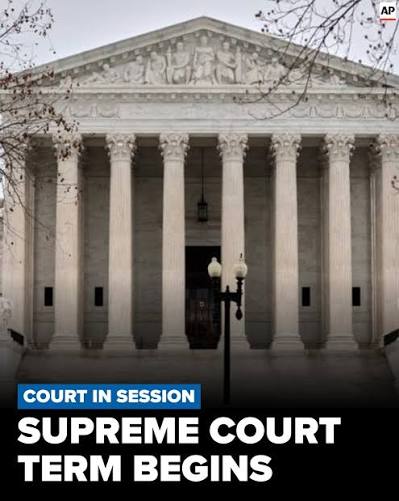
Federal Voter Data War: DOJ Sues States, Privacy Clash Explodes
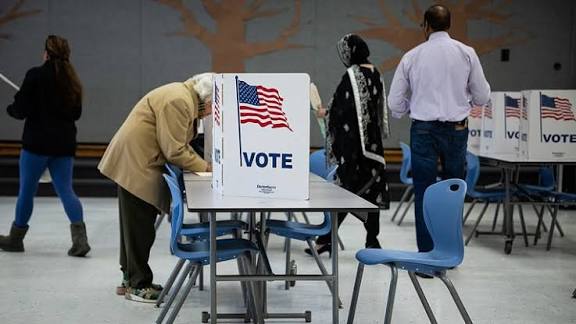
The DOJ is also suing a Georgia county to seek records from the 2020 election. The department has now filed a lawsuit against 18 states. Today we will discuss about Federal Voter Data War: DOJ Sues States, Privacy Clash Explodes
Federal Voter Data War: DOJ Sues States, Privacy Clash Explodes
In late 2025, a fierce dispute over voter data between the U.S. Department of Justice (DOJ) and state election officials erupted into what many observers now describe as the Federal Voter Data War. At the heart of this confrontation lie competing priorities: election integrity, individual privacy, federal authority, and state sovereignty. What began as a technical disagreement over voter roll access has evolved into a nationwide legal and political battle with profound implications for American democracy.
The DOJ’s decision to sue multiple states for refusing to hand over detailed voter registration data has triggered backlash from governors, secretaries of state, civil liberties organizations, and privacy advocates. Supporters of the federal effort argue it is essential for enforcing election laws, while critics warn it represents an unprecedented intrusion into state-run elections and a serious threat to voter privacy.
This article explores the origins of the conflict, the legal arguments on both sides, the privacy concerns driving resistance, the political context surrounding the lawsuits, and what this escalating battle could mean for the future of U.S. elections.
Origins of the Federal Voter Data War
The conflict traces back to early 2025, when the Department of Justice formally requested comprehensive voter registration databases from multiple states. These requests went far beyond publicly available voter lists, seeking unredacted records that included full names, residential addresses, dates of birth, driver’s license numbers, and partial Social Security information.
According to DOJ officials, this information was necessary to evaluate whether states were complying with federal election laws that require accurate and up-to-date voter rolls. The department argued that without full access, it could not effectively assess whether ineligible voters — such as deceased individuals or people who had moved — were being properly removed.
However, state officials viewed the requests differently. Many argued that releasing such sensitive personal information would violate state privacy laws and expose millions of voters to unnecessary risk. When several states declined to comply, the DOJ responded with lawsuits — transforming a policy dispute into a nationwide legal showdown.
A Rapid Expansion of Lawsuits
The DOJ’s legal campaign quickly broadened. Initial lawsuits targeted a small group of states, but by mid-2025, the number had grown significantly. Ultimately, nearly twenty states faced federal litigation for refusing to provide full voter registration databases.
In addition to statewide actions, the DOJ also pursued election records from individual local jurisdictions, including requests tied to past elections. This expansion intensified concerns that the effort was not limited to routine oversight but was instead part of a broader federal push to exert control over election administration.
For many state leaders, the lawsuits marked a turning point. What had once been a cooperative relationship between state election offices and the federal government now appeared adversarial, with states banding together to defend their authority and their voters’ privacy.
The DOJ’s Legal Justification
The Justice Department maintains that its actions are firmly grounded in federal law. Officials cite statutes such as the National Voter Registration Act, the Help America Vote Act, and provisions of the Civil Rights Act, which grant the federal government oversight authority to ensure fair and lawful elections.
According to the DOJ, access to complete voter data is essential to:
Verify compliance with federal voter registration standards
Identify systemic failures in list maintenance
Protect election integrity by preventing inaccuracies
Supporters of the DOJ argue that elections are a cornerstone of democracy and that federal enforcement is necessary to maintain public confidence. They contend that fragmented state practices can undermine national standards and that federal review helps ensure consistency and fairness across jurisdictions.
From this perspective, the lawsuits are not an attack on states but a fulfillment of the federal government’s duty to enforce the law.
States Push Back: Privacy and Sovereignty
State officials, however, have offered a starkly different interpretation. Their resistance rests on three central arguments: privacy protection, constitutional authority, and legal limits.
1. Voter Privacy
States emphasize that voter registration databases contain extremely sensitive information. While limited voter lists are often public, full databases are intentionally protected to prevent identity theft, harassment, and misuse.
Officials argue that transferring this data to a federal agency — especially in bulk and without clear safeguards — places voters at risk. Many states have laws explicitly restricting the release of personal identifiers, and election administrators warn that compliance with DOJ demands could violate those statutes.
2. Federalism and the Constitution
Elections in the United States are primarily administered by states, a principle rooted in the Constitution. State leaders argue that the DOJ’s actions represent federal overreach, infringing on powers traditionally reserved for state governments.
They contend that while Congress can set certain standards, it cannot commandeer state election systems or compel states to surrender sensitive data beyond what the law explicitly requires.
3. Ambiguous Legal Authority
Several states have questioned whether federal statutes actually authorize the DOJ to demand unredacted voter databases. They argue that existing laws allow for oversight but do not mandate the transfer of sensitive personal information in electronic form.
Without clear statutory language or precedent, states maintain that compliance is optional — not mandatory.
Privacy Advocates Sound the Alarm
Beyond state governments, privacy and civil liberties groups have raised serious concerns. They warn that large-scale data transfers increase the risk of breaches, misuse, and unintended secondary uses of voter information.
Critics fear that once the federal government obtains these databases, there may be insufficient oversight over how the data is stored, shared, or analyzed. Even with security measures, the sheer volume of sensitive information heightens the potential consequences of any failure.
Some advocacy groups also worry that voter data could be repurposed for non-election-related enforcement, further eroding trust between citizens and government institutions.
Political Undercurrents of the Conflict
The Federal Voter Data War unfolds against a backdrop of intense political polarization. Election integrity has remained a dominant issue since the disputed narratives surrounding the 2020 presidential election, and calls for tighter oversight have continued into subsequent election cycles.
Critics argue that the DOJ’s actions cannot be separated from this political context. They suggest the lawsuits are influenced by partisan goals, including efforts to validate long-standing claims about voter fraud or to expand federal influence ahead of future elections.
Supporters counter that enforcing election law should not be viewed through a partisan lens. They insist that ensuring accurate voter rolls benefits all voters, regardless of political affiliation.
This clash of interpretations has only deepened mistrust on both sides.
Legal Questions Before the Courts
As lawsuits proceed, federal courts are being asked to resolve several fundamental questions:
Does federal law authorize the DOJ to demand complete, unredacted voter registration databases?
Do such demands violate voter privacy rights under state or federal law?
Where is the constitutional boundary between federal oversight and state control of elections?
The answers could set far-reaching precedents. A ruling in favor of the DOJ may expand federal authority over elections nationwide. A ruling siding with states could reinforce limits on federal power and strengthen privacy protections.
Some legal experts believe the issue could eventually reach the U.S. Supreme Court, especially if lower courts issue conflicting decisions.
Implications for Election Administration
The outcome of this conflict could reshape how elections are managed in the United States.
If the DOJ prevails:
Federal oversight of voter rolls could become significantly more robust
States may be required to standardize data practices
Privacy concerns could intensify
If states prevail:
State control over elections would be reaffirmed
Limits on federal access to voter data would be clarified
Privacy protections could be strengthened
Either outcome will influence public trust in elections — a fragile asset in an era of misinformation and political division.
Public Trust at Stake
Perhaps the most significant consequence of the Federal Voter Data War is its impact on public confidence. Voters must trust that their personal information is safe and that elections are fair.
When disputes over data access become public and contentious, they risk reinforcing cynicism and suspicion. Rebuilding trust will require transparency, clear legal standards, and assurances that voter privacy is respected alongside election integrity.
Conclusion
The Federal Voter Data War represents a defining moment in the evolution of American election law. It is a clash between federal enforcement and state autonomy, between transparency and privacy, and between competing visions of how democracy should be protected.
As courts weigh these complex issues, the decisions they render will shape the future of elections, privacy rights, and federal-state relations for years to come. Whether viewed as a necessary enforcement effort or a dangerous overreach, the battle underscores one undeniable truth: control of voter data has become one of the most consequential issues in modern American democracy.
j
How useful was this post?
Click on a star to rate it!
Average rating 0 / 5. Vote count: 0
No votes so far! Be the first to rate this post.
About the Author

usa5911.com
Administrator
Hi, I’m Gurdeep Singh, a professional content writer from India with over 3 years of experience in the field. I specialize in covering U.S. politics, delivering timely and engaging content tailored specifically for an American audience. Along with my dedicated team, we track and report on all the latest political trends, news, and in-depth analysis shaping the United States today. Our goal is to provide clear, factual, and compelling content that keeps readers informed and engaged with the ever-changing political landscape.