Healthcare Chaos Unfolds: GOP Bill Excludes ACA Credits, Millions at Risk
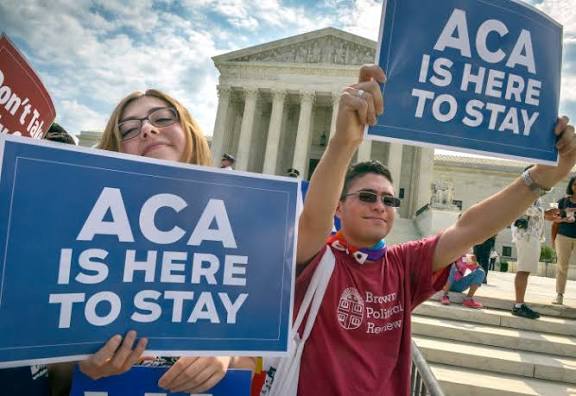
The Senate is set to reject legislation Thursday to extend Affordable Care Act tax credits for millions of Americans. Today we will discuss about Healthcare Chaos Unfolds: GOP Bill Excludes ACA Credits, Millions at Risk
Healthcare Chaos Unfolds: GOP Bill Excludes ACA Credits, Millions at Risk
The United States is facing renewed uncertainty in its healthcare system as a Republican-backed healthcare bill moves forward without extending enhanced Affordable Care Act (ACA) premium tax credits. The exclusion has triggered widespread concern among policy experts, healthcare providers, insurers, and millions of Americans who depend on subsidies to maintain affordable health coverage. As Congress remains deeply divided, the potential expiration of these credits threatens to upend the healthcare stability achieved in recent years.
This unfolding situation marks a critical moment for U.S. healthcare policy, raising urgent questions about affordability, access, and the long-term direction of healthcare reform.
A Policy Shift with Major Consequences

At the heart of the controversy is a GOP proposal that deliberately omits the continuation of enhanced ACA premium tax credits. These credits, originally expanded during the pandemic and later extended, significantly reduced monthly insurance premiums for millions of individuals and families purchasing coverage through the ACA marketplaces.
Without congressional action, these enhanced subsidies are scheduled to expire at the end of the current year. The proposed Republican bill offers no replacement, leaving millions exposed to sharply rising insurance costs.
The decision has intensified political tensions, with Democrats warning of an impending coverage crisis and Republicans arguing for reduced federal spending and market-based alternatives.
What Are ACA Premium Tax Credits?
ACA premium tax credits are government subsidies designed to make private health insurance more affordable for individuals and families without employer-sponsored coverage. These credits lower monthly premiums based on household income and family size.
Enhanced credits expanded eligibility and capped premium costs at a fixed percentage of income, preventing sudden spikes in healthcare expenses. As a result, enrollment in ACA marketplaces reached record highs, with millions gaining or retaining coverage they otherwise could not afford.
The potential rollback of these credits threatens to reverse those gains.
Who Faces the Greatest Risk?
Marketplace Enrollees
Individuals who rely on ACA marketplaces will be the first to feel the impact. Without subsidies, monthly premiums could rise dramatically, placing insurance out of reach for many.
Analysts estimate that millions could lose coverage as premiums become unaffordable, especially among self-employed workers, gig economy participants, and early retirees.
Middle-Income Families
While ACA subsidies were initially targeted at lower-income households, enhanced credits also benefited middle-income families who previously earned too much to qualify for assistance.
Without the expanded credits, families earning moderate incomes may face premium increases of 50–100 percent or more, forcing difficult choices between healthcare and other essential expenses.
Older Adults and Vulnerable Populations
Older Americans who are not yet eligible for Medicare often face higher insurance premiums. Enhanced ACA credits helped offset these costs. Their expiration could disproportionately affect this group, along with individuals managing chronic conditions who require continuous coverage.
Rural communities and underserved populations may also suffer, as healthcare access in these areas is already limited.
Republican Alternatives: Are They Enough?
Rather than extending premium tax credits, some Republican lawmakers have proposed alternative approaches, including:
Health Savings Accounts (HSAs): Fixed contributions into personal savings accounts intended to help individuals pay for medical expenses.
High-Deductible Health Plans: Emphasizing lower premiums with higher out-of-pocket costs.
Market Deregulation: Allowing more flexibility in insurance plan offerings.
Critics argue these alternatives fall short. HSAs, for example, benefit higher-income individuals who can afford to save, while offering little relief to low-income families struggling to pay monthly premiums.
Healthcare economists warn that replacing income-based subsidies with flat contributions could worsen inequality and destabilize insurance markets.
Political Deadlock Deepens
The debate over ACA credits reflects a broader ideological divide:
Democrats insist that extending subsidies is essential to prevent millions from losing coverage and to control healthcare inflation.
Republicans argue that long-term subsidies are fiscally unsustainable and advocate for reduced government involvement.
Internal divisions within both parties, combined with competing legislative priorities, have stalled progress. With no consensus in sight, the clock continues to tick toward subsidy expiration.
Economic and Healthcare System Impacts
Rising Uninsured Rates
If enhanced credits expire, uninsured rates are expected to climb for the first time in years. Losing insurance often leads to delayed medical care, worsening health outcomes, and higher emergency room usage.
Increased Medical Debt
Without affordable insurance, families may face mounting medical bills. Medical debt remains one of the leading causes of financial distress in the United States, and rising premiums could worsen the problem.
Pressure on Hospitals and Providers
Hospitals, particularly in rural and low-income areas, depend on insured patients to remain financially viable. A surge in uninsured patients could increase uncompensated care costs, threatening hospital closures and reduced services.
Broader Economic Effects
Healthcare affordability directly affects workforce stability and productivity. Workers without reliable coverage may avoid job changes or delay care, impacting economic growth and labor mobility.
Public Health Implications
Reduced insurance coverage can undermine public health efforts by limiting access to preventive care, vaccinations, and chronic disease management. Over time, this may increase long-term healthcare costs and widen health disparities across communities.
Public health experts warn that short-term savings from cutting subsidies could lead to higher costs and poorer outcomes in the future.
Possible Outcomes and Future Scenarios
Several paths forward remain possible:
Temporary Extension: Congress could approve a short-term extension to avoid immediate disruption.
Partial Compromise: A scaled-down subsidy extension paired with cost-control measures.
State-Level Action: States may expand their own subsidy programs to protect residents.
Full Expiration: If no agreement is reached, enhanced credits will end, triggering widespread premium increases.
Each scenario carries significant implications for households and the healthcare system as a whole.
A Defining Moment for U.S. Healthcare
The exclusion of ACA premium tax credits from the GOP healthcare bill represents more than a legislative detail — it is a defining moment in the ongoing debate over healthcare access and affordability in America.
Millions of lives hang in the balance as policymakers decide whether to preserve recent gains or allow coverage erosion to take hold. The outcome will shape not only the insurance market but also the nation’s economic stability, public health, and social equity.
As healthcare chaos unfolds, the coming months will determine whether the U.S. healthcare system moves toward greater inclusivity or deeper fragmentation.
How useful was this post?
Click on a star to rate it!
Average rating 0 / 5. Vote count: 0
No votes so far! Be the first to rate this post.
About the Author

usa5911.com
Administrator
Hi, I’m Gurdeep Singh, a professional content writer from India with over 3 years of experience in the field. I specialize in covering U.S. politics, delivering timely and engaging content tailored specifically for an American audience. Along with my dedicated team, we track and report on all the latest political trends, news, and in-depth analysis shaping the United States today. Our goal is to provide clear, factual, and compelling content that keeps readers informed and engaged with the ever-changing political landscape.