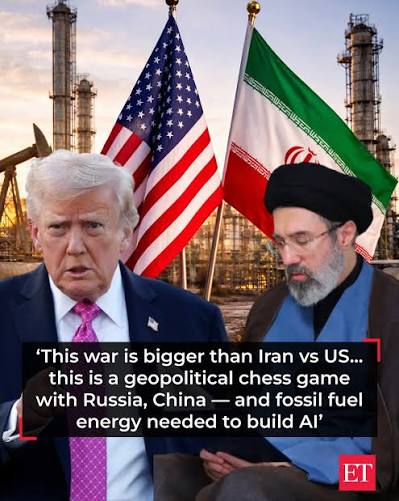
U.S. Commandos Seize Iran-Bound Ship: Weapons Parts Destroyed, Strategic Tension Climbs
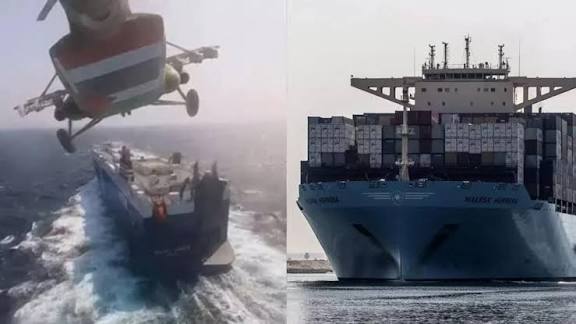
US commandos recently seized parts of Iran-made missiles and drones from a ship in the Arabian Sea. Today we will discuss about U.S. Commandos Seize Iran-Bound Ship: Weapons Parts Destroyed, Strategic Tension Climbs
U.S. Commandos Seize Iran-Bound Ship: Weapons Parts Destroyed, Strategic Tension Climbs
In a dramatic and tightly controlled maritime operation, U.S. special operations forces intercepted a commercial vessel carrying military-related cargo believed to be bound for Iran. The seizure, carried out in international waters in the Indian Ocean, underscores Washington’s growing willingness to take direct action to disrupt sensitive supply chains tied to adversarial states. While the ship itself was later released, the destruction of the seized weapons components has sent a strong geopolitical signal, intensifying already strained relations across the Middle East and beyond.
The operation comes at a moment of heightened global instability, marked by renewed U.S.–Iran tensions, regional conflicts, and intensifying strategic competition among major powers. More than a single tactical success, the raid reflects broader shifts in modern warfare, sanctions enforcement, and maritime security.
A Covert Operation in International Waters
The operation unfolded after U.S. intelligence agencies identified a cargo shipment suspected of containing materials that could support Iran’s military capabilities. Rather than acting near territorial waters — a move that could provoke immediate diplomatic fallout — U.S. forces waited until the vessel entered international waters in the Indian Ocean.
Under the cover of secrecy, U.S. commandos boarded the ship in a swift and precise action. The crew was secured, the cargo inspected, and specific items deemed militarily sensitive were confiscated. According to officials familiar with the operation, the seized materials were later destroyed to ensure they could not be repurposed or recovered.
Notably, the vessel itself was not impounded. After the operation concluded, the ship was allowed to continue its voyage. This approach reflects a deliberate strategy: neutralize the threat while minimizing escalation and legal complications.
What Was Seized — and Why It Matters
While authorities have not publicly disclosed the full inventory of confiscated materials, officials described them as components with clear military relevance. These were not complete weapons systems but parts that could significantly contribute to the production or maintenance of conventional arms.
Many such components fall under the category of dual-use technology — materials and equipment that have legitimate civilian applications but can also be adapted for military purposes. This dual-use nature makes detection, regulation, and interdiction especially challenging.
Strategic Significance of the Cargo
Military enhancement: Even seemingly minor components can accelerate weapons manufacturing, extend missile ranges, or improve accuracy and reliability.
Sanctions evasion: Iran has long been accused of using indirect routes and third-party suppliers to bypass international restrictions.
Supply-chain disruption: Destroying the components denies Iran not just physical materials, but also time and momentum in rebuilding or expanding its military capacity.
The destruction of the cargo signals a clear U.S. objective: deny adversaries the means to strengthen their arsenals, even when the materials exist in a legal gray zone.
Broader Context: Rising U.S.–Iran Tensions
This maritime raid did not occur in isolation. It follows months of escalating friction between Washington and Tehran, including military confrontations, sanctions disputes, and diplomatic deadlock.
Recent conflicts in the Middle East have heightened U.S. concerns that Iran is seeking to rapidly restore or expand its weapons stockpiles. Intelligence assessments suggest that Tehran has increased efforts to secure components from overseas suppliers to offset damage from previous strikes and sanctions.
From Washington’s perspective, intercepting such shipments is not merely defensive — it is preventative. By targeting supply routes rather than end-stage weapons, the U.S. aims to disrupt Iran’s military planning before it translates into battlefield capability.
The Role of Global Supply Chains
One of the most striking aspects of this incident is the global nature of the supply chain involved. The vessel reportedly originated far from the Middle East, highlighting how modern military procurement often relies on international commercial networks rather than direct state-to-state transfers.
This reality poses serious challenges for global security:
Commercial cover: Military-relevant goods are frequently shipped alongside civilian cargo, complicating inspections.
Third-party involvement: Suppliers may not be direct agents of sanctioned governments, creating plausible deniability.
Regulatory gaps: Export controls vary widely by country, leaving room for exploitation.
The seizure highlights the increasing importance of intelligence-driven interdictions rather than traditional arms embargo enforcement.
Legal and Maritime Challenges
Interdicting a vessel on the high seas is legally complex. International maritime law grants significant protections to commercial shipping, and unauthorized boardings can provoke diplomatic disputes.
However, exceptions exist when there is credible evidence of illicit activity, including sanctions violations or arms trafficking. In such cases, states may assert the right to act, especially when national security is at stake.
Key Legal Considerations
Flag-state jurisdiction: Ships operate under the authority of the country whose flag they fly.
Rules of engagement: Military personnel must adhere to strict protocols to avoid civilian harm.
Escalation control: Actions must be calibrated to prevent retaliatory measures or broader conflict.
By limiting the scope of the operation — seizing and destroying cargo while releasing the vessel — the U.S. appears to have balanced enforcement with restraint.
Strategic Messaging and Deterrence
Beyond its tactical outcome, the operation serves as a form of strategic communication.
Messages Sent by the Raid
To Iran: Supply routes are monitored, and sanctions evasion will be challenged wherever it occurs.
To allies: The U.S. remains committed to enforcing international security norms.
To rivals: American naval reach extends far beyond traditional conflict zones.
This kind of action reinforces deterrence without the visibility or political cost of airstrikes or large-scale military deployments.
Implications for Regional Stability
The Middle East remains one of the world’s most volatile regions, and any military action involving Iran carries broader implications.
Iran maintains relationships with multiple armed groups across the region. Disrupting its access to military components could limit its ability to supply or support these partners, potentially altering regional power balances.
However, there is also the risk of retaliation. Iran has previously responded to pressure through asymmetric means, including cyber operations, proxy attacks, and maritime harassment. Each interdiction therefore carries both stabilizing and destabilizing potential.
U.S.–China Strategic Undercurrents
Although the operation focused on Iran, it has also drawn attention to the role of major manufacturing nations in the global arms ecosystem. The involvement of overseas suppliers raises questions about oversight, export controls, and strategic responsibility.
In an era of intensifying great-power competition, such incidents can fuel mistrust and diplomatic friction. They highlight how economic globalization and geopolitical rivalry are increasingly intertwined.
Future Outlook: What Comes Next
The seizure is unlikely to be the last of its kind. Several trends suggest similar operations may become more frequent:
Expanded naval surveillance in key maritime corridors
Stricter scrutiny of dual-use exports
Greater intelligence sharing among allied navies
More covert interdictions rather than overt military strikes
At the same time, adversaries may adapt by using smaller shipments, alternative routes, or more sophisticated concealment methods. The contest between enforcement and evasion is likely to intensify.
Conclusion
The U.S. commando raid on an Iran-bound ship carrying weapons-related components marks a significant moment in modern maritime security operations. It demonstrates how power projection, intelligence, and legal maneuvering now intersect on the world’s oceans.
By destroying the seized materials, the United States disrupted a potential military supply line, reinforced sanctions enforcement, and sent a clear warning to those seeking to bypass international restrictions. Yet the operation also underscores the fragile balance between deterrence and escalation in an already unstable global environment.
As geopolitical rivalries deepen and conflicts grow more complex, such actions may become a defining feature of 21st-century security strategy — quiet, targeted, and consequential.
How useful was this post?
Click on a star to rate it!
Average rating 0 / 5. Vote count: 0
No votes so far! Be the first to rate this post.
About the Author

usa5911.com
Administrator
Hi, I’m Gurdeep Singh, a professional content writer from India with over 3 years of experience in the field. I specialize in covering U.S. politics, delivering timely and engaging content tailored specifically for an American audience. Along with my dedicated team, we track and report on all the latest political trends, news, and in-depth analysis shaping the United States today. Our goal is to provide clear, factual, and compelling content that keeps readers informed and engaged with the ever-changing political landscape.