House Republicans Release Healthcare Plan: Higher Costs Loom, Immigration Backlash Grows
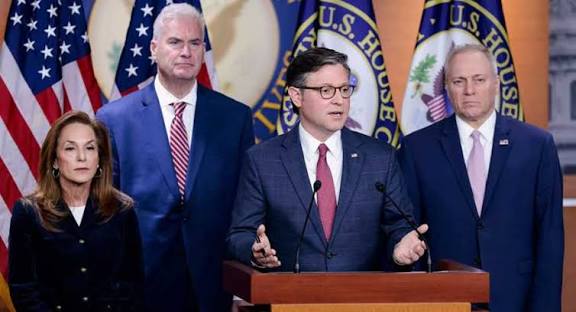
President Donald Trump has not officially unveiled his new health care plan. But many people in his party are already opposing it. Today we will discuss about House Republicans Release Healthcare Plan: Higher Costs Loom, Immigration Backlash Grows
House Republicans Release Healthcare Plan: Higher Costs Loom, Immigration Backlash Grows
House Republicans have released a long-awaited healthcare proposal at a critical moment for the U.S. health insurance system. The plan arrives as enhanced Affordable Care Act (ACA) subsidies are set to expire at the end of the year, a deadline that could significantly reshape healthcare affordability for millions of Americans. While Republican leaders frame the proposal as a step toward long-term reform and market stability, critics argue it fails to prevent immediate cost increases and intensifies political tensions, particularly around immigration and healthcare access.
The proposal has ignited debate not only over rising insurance premiums, but also over how healthcare policy is increasingly intersecting with immigration enforcement and state-level funding decisions. As Congress faces a fast-approaching deadline, the stakes for consumers, insurers, and state governments are exceptionally high.
1. Overview of the House Republican Healthcare Plan

The House Republican healthcare plan spans more than one hundred pages and reflects months of internal negotiations. Party leaders describe it as a framework focused on reducing long-term healthcare costs by encouraging market competition, employer-based solutions, and consumer choice. However, the most striking feature of the proposal is what it leaves out.
No Extension of Enhanced ACA Subsidies
The plan does not extend enhanced ACA premium subsidies that were expanded during the COVID-19 pandemic. These subsidies currently help millions of Americans afford coverage purchased through health insurance marketplaces. Without congressional action, these financial supports will expire at the end of the year.
For many households, the expiration of subsidies could mean sharp premium increases beginning next year. Middle-income families, older adults, and self-employed workers are expected to feel the greatest impact.
Cost-Sharing and Coverage Adjustments
The proposal includes provisions aimed at reducing certain out-of-pocket expenses through cost-sharing adjustments that would begin in future years. Supporters argue this approach targets inefficiencies in the system, while critics note that delayed benefits do little to address immediate affordability concerns.
Expansion of Association Health Plans
House Republicans propose expanding association health plans, allowing small businesses and self-employed individuals to pool together to purchase insurance. Advocates say this could lower premiums by increasing bargaining power, but opponents warn that such plans often provide fewer protections and benefits compared to ACA-compliant coverage.
Prescription Drug Transparency
Another component focuses on increasing transparency for pharmacy benefit managers. Lawmakers argue that greater disclosure could reduce hidden costs in the prescription drug supply chain and help lower prices over time.
Health Reimbursement Arrangements
The plan also expands the use of health reimbursement arrangements, which allow employers to provide tax-advantaged funds to employees for medical expenses. Republicans describe this as a flexible alternative to direct government subsidies.
2. Rising Healthcare Costs and Economic Impact
Premium Increases on the Horizon
Health policy experts widely agree that failing to extend ACA subsidies will result in higher premiums for millions of Americans. In some cases, monthly insurance costs could double or even triple, particularly for individuals purchasing coverage on their own.
These increases may force many people to drop coverage altogether, leading to a rise in the uninsured population. Analysts warn that such a shift could destabilize insurance markets as healthier individuals exit, leaving insurers with higher-risk pools and driving costs even higher.
Impact on Families and Small Businesses
Middle-class families who do not qualify for Medicaid but rely on marketplace subsidies face difficult choices. For small business owners and independent workers, higher premiums could reduce disposable income, limit access to preventive care, and increase financial strain.
Healthcare providers may also feel the effects, as higher uninsured rates often lead to increased uncompensated care, particularly in emergency rooms.
3. Political Strategy and Internal Republican Divisions
Republican Leadership’s Rationale
House Republican leaders argue that extending subsidies without structural reform would merely postpone deeper problems in the healthcare system. They emphasize long-term solutions, market-based competition, and reduced federal intervention.
According to leadership messaging, the plan is designed to lower overall healthcare spending rather than rely on what they view as temporary and costly government assistance.
Moderates vs. Conservatives
Despite unified public messaging, internal divisions remain. Moderate Republicans from competitive districts have expressed concern that failing to extend subsidies could hurt constituents and become a political liability ahead of upcoming elections.
Conservative members, however, oppose subsidy extensions on principle, arguing that government support distorts markets and increases federal spending. These divisions help explain why the final proposal excludes a clean extension of ACA subsidies.
4. Immigration and Healthcare: A Growing Flashpoint
Healthcare Eligibility and State Penalties
While the healthcare plan itself focuses on insurance markets, related Republican proposals have linked healthcare funding to immigration policy. Some measures would penalize states that provide healthcare coverage to certain immigrant populations, even when states use their own funds.
Supporters argue these provisions prevent misuse of public resources, while critics say they punish states for addressing public health needs and could leave vulnerable populations without access to care.
Public Health Concerns
Public health experts warn that limiting access to healthcare for immigrant communities can have broader consequences, including higher emergency care costs and increased spread of untreated illnesses. Hospitals and clinics in immigrant-dense areas could face additional strain if coverage is reduced.
Political Backlash
Immigrant rights groups and Democratic lawmakers have condemned the immigration-related provisions, calling them discriminatory and counterproductive. Several state officials argue that healthcare access should be separated from immigration enforcement to protect overall community health.
5. Democratic Response and Broader Criticism
Democrats have sharply criticized the House Republican plan, accusing it of failing to address immediate affordability challenges. Party leaders argue that allowing subsidies to expire amounts to an indirect premium hike on millions of Americans.
Democrats also highlight the timing of the proposal, noting that consumers will soon receive insurance renewal notices reflecting higher costs if Congress does not act. They frame the issue as a clear choice between maintaining affordability or allowing widespread coverage losses.
6. What Comes Next in Congress
The House is expected to vote on the proposal before lawmakers leave for the holiday recess. Amendments may be offered, including potential measures to extend ACA subsidies temporarily, but it remains unclear whether such changes would pass.
Even if the House approves the plan, the Senate presents a major obstacle. Most healthcare legislation requires bipartisan support to advance, and recent attempts to address subsidies have stalled due to partisan disagreement.
As the deadline approaches, lawmakers face pressure from insurers, consumer advocates, and state governments to act quickly to prevent market disruption.
7. Conclusion: A Defining Moment for U.S. Healthcare Policy
The release of the House Republican healthcare plan underscores the deep divisions shaping U.S. healthcare policy. By focusing on long-term reform while declining to extend existing subsidies, the proposal places millions of Americans at risk of higher costs in the near future. At the same time, the growing connection between healthcare funding and immigration policy has intensified political backlash and expanded the scope of the debate.
Whether Congress can bridge partisan divides before the subsidy deadline remains uncertain. What is clear is that the outcome will have lasting consequences for healthcare affordability, insurance coverage, and public trust in the nation’s healthcare system. As lawmakers deliberate, millions of Americans are left waiting to see whether their healthcare will remain within reach in the year ahead.
How useful was this post?
Click on a star to rate it!
Average rating 0 / 5. Vote count: 0
No votes so far! Be the first to rate this post.
About the Author

usa5911.com
Administrator
Hi, I’m Gurdeep Singh, a professional content writer from India with over 3 years of experience in the field. I specialize in covering U.S. politics, delivering timely and engaging content tailored specifically for an American audience. Along with my dedicated team, we track and report on all the latest political trends, news, and in-depth analysis shaping the United States today. Our goal is to provide clear, factual, and compelling content that keeps readers informed and engaged with the ever-changing political landscape.