America Divided: Policy war deepens, pressure on leaders
Congressional polarization has reached its highest point since Reconstruction, and threats of violence against politicians have increased. Today we will discuss about America Divided: Policy war deepens, pressure on leaders
America Divided: Policy war deepens, pressure on leaders
America today stands at one of the most divided moments in its modern history. What was once healthy political disagreement has evolved into a deep, structural, and emotionally charged divide shaping every aspect of national life — from Congress and state governments to households, campuses, workplaces, and even social media interactions. Policy differences now manifest as ideological battles, cultural conflicts, and identity clashes. As the policy war intensifies, the pressure on political leaders grows heavier, leaving the country searching for stability, clarity, and a path forward.
This article explores the roots of this division, the main policy battlegrounds widening the gap, institutional struggles, cultural pressures, leadership challenges, and potential pathways toward national reconciliation.
I. The Roots of America’s Political Divide

1. Polarization as the New National Condition
Political polarization in the United States has expanded significantly over the past several decades. Once, Americans disagreed on issues but shared a collective belief in compromise, negotiation, and the value of bipartisan dialogue. Today, divisions are sharper, identities are more entrenched, and the concept of political “middle ground” has nearly vanished. Instead, Americans often view the opposing side not merely as wrong, but as a threat.
2. Partisan Realignment and Identity Politics
Party alignments have changed dramatically. Political identity now overlaps with demographic identity — urban versus rural, educated versus working class, religious versus secular, coastal versus heartland. This realignment has pushed both major parties further apart. Voters increasingly anchor their political positions in social identity rather than ideological analysis. This makes compromise harder because political arguments become intertwined with one’s sense of belonging and community.
3. Changing Media Ecosystems
The evolution of media — from traditional broadcast news to cable commentary channels and algorithm-driven social media — has amplified partisan attitudes. Americans now often consume news from sources that reinforce their beliefs, creating ideological bubbles where opposing views are rarely encountered or respected. Misinformation, emotional narratives, and sensational content flourish in these environments, magnifying division.
II. Policy Battlefronts Fueling the Divide
The policy war in America is not confined to one issue. Instead, it stretches across nearly every major area of governance.
1. Domestic Policy Wars
Domestic policy debates have grown increasingly hostile. Issues such as healthcare, taxes, climate change, gun rights, immigration, education, and federal spending turn into partisan battles where negotiation is considered political weakness. Congress frequently becomes gridlocked because neither side wants to concede ground, fearing backlash from their own supporters.
2. Economic Fractures and Inequality
Economic inequality has contributed to political polarization. Many Americans feel left behind by globalization, technological change, and economic restructuring. Others believe progress and innovation require forward-looking policies and social investment. These competing visions create tension between those demanding protectionism and those advocating modernization.
This divide deepens further when economic issues become entangled with cultural and ideological identity — for example, discussions about job loss often morph into debates over immigration, automation, or climate policy.
3. Immigration and Demographic Change
Immigration remains one of the most explosive issues shaping America’s divisions. Some citizens see immigration as an economic and cultural enrichment essential to national growth, while others perceive it as a threat to economic security, national identity, or public safety. Political parties respond to these sentiments by taking increasingly rigid positions, making compromises rare and public tension high.
4. Climate Policy and Environmental Agendas
Climate change has become another defining battleground. Advocates call for urgent federal action, large-scale green investment, and regulatory intervention. Opponents fear job losses, economic disruption, and government overreach. As a result, climate policy becomes not just an environmental matter but a cultural marker separating progressive, urban populations from conservative, rural communities.
III. Electoral Polarization and the Geography of Division
1. Red States, Blue States, and Hardened Boundaries
The political map of the United States has evolved into a near-fixed pattern of red and blue regions. States consistently voting for one party increasingly diverge in their cultural norms, economic priorities, and policy frameworks. This geographic polarization extends to counties and even neighborhoods, reinforcing segregation by belief system and lifestyle.
2. Gerrymandering and Reduced Competition
Political districting often narrows voter choice by shaping districts to favor one party. This reduces the number of competitive seats and encourages candidates to cater only to their base rather than the broader electorate. When representatives do not need to appeal to moderates, polarization intensifies.
3. The Voter Experience in a Divided Nation
Voters today describe elections as high-stakes battles for the soul of the nation. Political outcomes feel existential, driving record turnout but also fueling anxiety, anger, and distrust. The belief that the opposing party threatens national values contributes to intense emotional reactions during every election cycle.
IV. Foreign Policy Mirrors Domestic Division
1. Clashing Visions of America’s Global Role
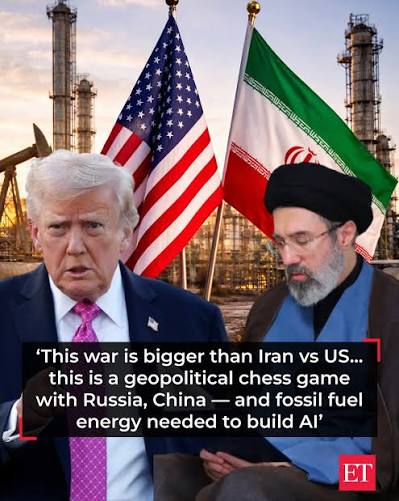
Foreign policy debates increasingly echo domestic divisions. Issues such as military aid, alliances, international agreements, and responses to global conflicts split the country along partisan lines. While one side may favor assertive military engagement and strong traditional alliances, the other may emphasize diplomacy, humanitarian priorities, or re-evaluating old commitments.
2. Global Leadership in a Divided Nation
Inconsistent political consensus at home makes it difficult for the United States to act with clarity abroad. Different administrations reverse key policies — from climate commitments to trade agreements to military deployments — signaling instability to foreign partners. America’s global identity is caught between competing visions.
V. Institutional Trust Erodes
1. Confidence in Government Declines
Americans have grown skeptical of core democratic institutions. Trust in Congress, the presidency, the judiciary, election systems, and even basic administrative functions has weakened. Many believe institutions no longer serve ordinary citizens but cater to political elites or special interests.
2. Judicial Battles and Constitutional Tensions
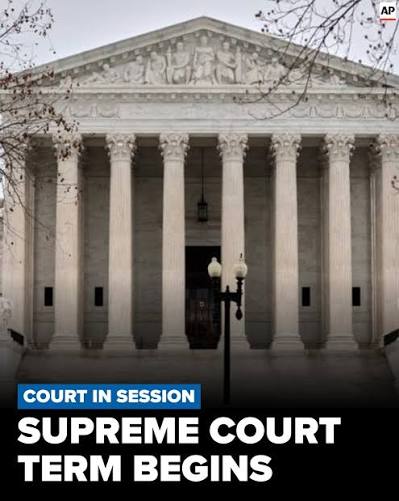
Court decisions on contentious issues — from voting rights to reproductive health to regulatory powers — trigger immediate political backlash. The judiciary, once considered a stabilizing force, is increasingly viewed through partisan lenses. Every new vacancy or major ruling sparks national debate.
3. State vs. Federal Power Conflicts
Tensions between state governments and the federal government are intensifying. States take opposing positions on immigration enforcement, environmental rules, public health mandates, gun laws, and social policy. These conflicts reflect deeper ideological disagreements about the role of government, civil liberties, and federal authority.
VI. The Cultural Front: Identity, Community, and Social Fragmentation
1. Social Tension Beyond Politics
Political division now touches personal relationships. Families argue at dinner, friends clash on social media, communities fracture along ideological lines. Cultural debates over education curriculum, LGBTQ rights, racial justice, and gender norms spill into school boards and workplaces.
2. The Rise of Tribal Politics
Americans increasingly identify with political “tribes.” These tribes dictate not only views on policy but attitudes, lifestyles, and even consumer preferences. Tribal loyalty often overrides independent analysis. Rather than debate ideas, people defend their group’s identity, intensifying division.
3. Media and Echo Chambers
Social media algorithms amplify content that triggers strong emotional reactions — fear, anger, outrage — because these generate engagement. As a result, misinformation spreads rapidly, and balanced perspectives are overshadowed by dramatic, polarizing narratives.
VII. Pressure on National Leaders
1. Leadership Under Fire
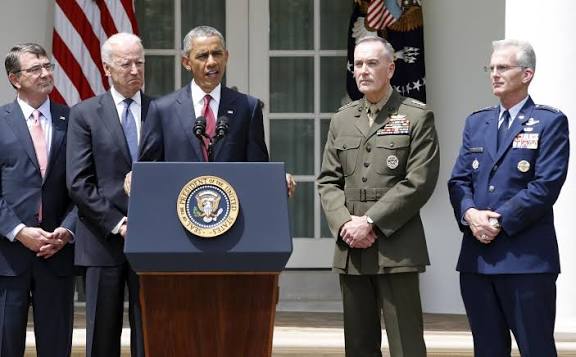
Political leaders face massive pressure from polarized voters, activist groups, and media scrutiny. Any attempt at compromise is criticized as betrayal by one side or weakness by the other. Leaders become trapped: stand firm and deepen division, or compromise and risk their career.
2. Governing Through Crisis and Division
Crises — whether economic, environmental, or international — demand decisive action. But polarization hampers consensus, making it difficult for leaders to craft effective policy responses. Even emergencies like public health crises turn into partisan battles.
3. Consequences of Political Gridlock
When parties refuse to cooperate, essential national issues remain unresolved. Infrastructure projects stall, immigration reform remains elusive, healthcare challenges persist, and climate strategies fall into limbo. The cost of inaction grows with every passing year.
VIII. Can America Bridge the Divide?
Despite the challenges, several pathways offer hope.
1. Deliberative Democracy and Citizen Dialogue
Structured dialogues that bring together diverse citizens have shown potential to reduce polarization. When people meet face-to-face, listen, and discuss issues without media filters, they often discover shared values or nuanced perspectives.
2. Electoral and Structural Reforms
Strategies such as ranked-choice voting, independent redistricting, and open primaries could reduce extremism by promoting candidates who appeal beyond their base.
3. Civic Education and Media Literacy
Building critical thinking skills helps citizens navigate misinformation, understand policy debates, and evaluate arguments based on evidence rather than emotion.
4. Leadership That Prioritizes Unity
The country needs leaders who can articulate a shared national narrative — one that respects differences while emphasizing cooperation. Leadership that values listening, empathy, and bipartisan engagement can gradually rebuild trust.
Conclusion
America’s political divide is broad, deep, and emotionally charged. The policy battles raging across the country reflect far more than legislative disagreements — they reveal a society divided by identity, culture, geography, and media ecosystems. Yet division is not destiny. With deliberate effort, structural reforms, civic engagement, and courageous leadership, the United States can still chart a path toward unity.
The journey will be difficult. But acknowledging the depth of the divide and working toward solutions is the first step in rebuilding a more cohesive, resilient, and democratic America.
j
How useful was this post?
Click on a star to rate it!
Average rating 0 / 5. Vote count: 0
No votes so far! Be the first to rate this post.
About the Author

usa5911.com
Administrator
Hi, I’m Gurdeep Singh, a professional content writer from India with over 3 years of experience in the field. I specialize in covering U.S. politics, delivering timely and engaging content tailored specifically for an American audience. Along with my dedicated team, we track and report on all the latest political trends, news, and in-depth analysis shaping the United States today. Our goal is to provide clear, factual, and compelling content that keeps readers informed and engaged with the ever-changing political landscape.