Power Fight: Senate leaders split, gridlock or breakthrough
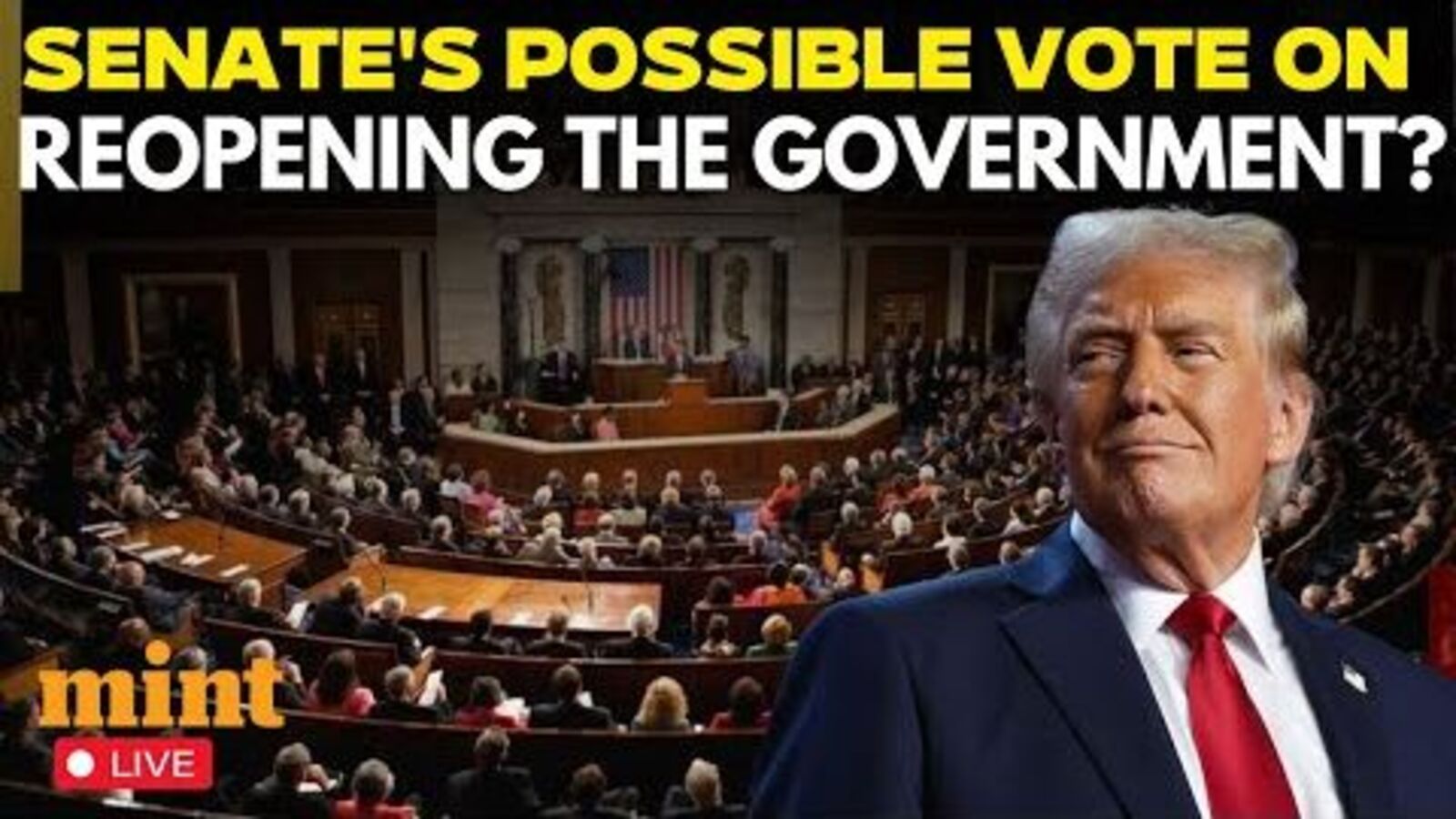
On the 41st day of the shutdown, the 60 to 40 vote signaled a break in the impasse that had stalled the government for weeks. Today we will discuss about Power Fight: Senate leaders split, gridlock or breakthrough
Power Fight: Senate leaders split, gridlock or breakthrough
Across the United States, political tensions continue to shape national debate, but nowhere is the struggle for control more intense than inside the U.S. Senate. The Senate has long been described as the world’s greatest deliberative body, yet in moments of crisis, it often becomes the epicenter of gridlock. In 2025, this tension intensified as Senate leaders clashed over government funding, procedural rules, and the future of legislative decision-making. The resulting power fight triggered fierce argument across party lines, raising one central question: Is the Senate headed toward deeper gridlock or a long-awaited breakthrough?
This article explores the dynamics driving this clash — leadership divisions, procedural barriers like the filibuster, ideological polarization, and the growing influence of swing votes. It also examines what these battles mean for governance, public trust, and the broader future of democracy.
The Anatomy of the 2025 Senate Power Struggle
A Historic Government Funding Stalemate
In 2025, the federal government entered the longest shutdown in U.S. history. The shutdown was not just a budgetary dispute; it became a symbolic battlefield revealing the deep fractures within Senate leadership.
At the heart of the conflict were disagreements over:
Extension of health care subsidies
Government spending levels
Funding priorities across federal agencies
Rules that determine how quickly the Senate can pass major bills
As days turned into weeks, the effects of the shutdown rippled across the nation. Federal workers were furloughed, food assistance programs stalled, transportation operations were slowed, and millions of Americans faced immediate disruptions. Public frustration rose, and pressure mounted on senators to act.
But the Senate remained deadlocked.
The Filibuster Debate: A Catalyst for Conflict
One of the most contentious flashpoints was the filibuster — the Senate rule requiring 60 votes to end debate and advance most legislation. The filibuster, originally intended to encourage careful consideration and prevent hasty lawmaking, has become a powerful tool for obstruction.
During the shutdown, the filibuster prevented funding bills from moving forward despite simple majority support. As a result, Senate action stalled, and political tensions escalated.
The President publicly urged Senate leaders to abolish the filibuster to pass funding measures. But Senate leaders, especially within the majority party, refused — defending the rule as an essential part of Senate tradition and an instrument that forces consensus rather than domination.
This created a dramatic divide between executive pressure and legislative resistance, magnifying the sense of institutional chaos.
A Rare Breakthrough: The Moment Gridlock Cracked
Despite weeks of stalemate, a turning point finally emerged. A small coalition of moderate senators — from both parties — broke ranks with their leadership. They pushed forward a compromise that allowed the Senate to take a key procedural vote required to advance a funding bill.
The vote succeeded with exactly the 60 votes needed to overcome the filibuster threshold.
This single victory did not end the shutdown, but it represented the first real crack in a seemingly unbreakable wall of gridlock. It showed that compromise was still possible — but also highlighted how politically risky it had become. Moderates who supported the deal faced strong backlash from their party bases, demonstrating the growing political cost of bipartisanship in a deeply polarized Senate.
Why the Senate Gets Gridlocked: Structural and Political Forces
To understand why power fights in the Senate escalate so easily, it is necessary to understand the internal structures and political forces that shape the chamber.
1. The Filibuster as a Barrier and a Shield
The filibuster gives significant power to the minority party by requiring a 60-vote supermajority for most legislation. While proponents argue that it protects against one-party domination, critics say it paralyzes the Senate and allows a small group of senators to block urgent national action.
This rule is often the deciding factor in whether the Senate experiences legislative success or total collapse.
2. Deepening Partisan Polarization
Over the last two decades, the ideological gap between the two major parties has widened dramatically. Senators face intense pressure from voters and party leaders to hold firm on ideological lines, making compromise politically dangerous.
This polarization means:
Deals require political courage
Leaders are punished for moderation
Senators fear primary challengers
Gridlock becomes the default outcome
When leaders themselves are divided — or unwilling to negotiate — the chamber becomes even more dysfunctional.
3. Leadership Dynamics and Strategic Control
Unlike in many legislative bodies, Senate leaders do not wield absolute control over their members. The chamber’s rules give individual senators considerable power to shape or stall legislation.
Majority and minority leaders influence schedules, debate rules, and negotiation strategies, but they must balance:
Internal party factions
Opposition demands
National political pressure
Senate procedural constraints
This delicate balancing act can either lead to successful negotiation or tip the chamber into severe gridlock.
4. The Outsized Role of Swing Votes
In a closely divided Senate, a handful of swing votes can determine the fate of legislation. These moderates often hold the keys to breakthroughs — but they also become targets of intense lobbying and public scrutiny.
Their decisions can shift the Senate from total paralysis to unexpected cooperation.
The Broader Implications: Senate Conflict Beyond Capitol Hill
The power fight inside the Senate affects far more than internal politics. It reverberates throughout the country and impacts everyday Americans.
1. Governance and Public Trust
Prolonged gridlock erodes public confidence in government institutions. As the shutdown dragged on, many Americans expressed frustration, anger, and skepticism about the ability of elected officials to govern.
When legislative bodies fail to fulfill basic responsibilities — like funding the government — citizens question the integrity and functionality of democracy itself.
2. Economic and Social Impacts
Shutdowns and stalled legislation disrupt:
Federal programs and aid
National security processes
Infrastructure projects
Health care access
Business planning and economic forecasts
The longer the Senate remains stuck, the greater the harm to the nation’s stability and economic growth.
3. The Push for Institutional Reform
Repeated gridlock has reignited debates over reforming Senate rules, including:
Modifying or abolishing the filibuster
Reforming committee structures
Changing the “nuclear option” precedents
Enhancing transparency in negotiations
Revising rules governing floor debate
Each proposed reform carries political, historical, and constitutional implications, making them difficult to implement but increasingly impossible to ignore.
Historical Lessons: Conflict as a Catalyst for Change
The Senate has faced deep divisions before. Major legislation — from civil rights bills to social reforms — often succeeded only after prolonged conflict and intense political battles.
History shows that:
Breakthroughs are possible even in the darkest political moments
Bipartisan coalitions can emerge unexpectedly
Leadership decisions shape the trajectory of governance
Moments of crisis often push senators toward action
The current power fight, while severe, is not unprecedented — but it comes at a time when polarization is higher and public patience is lower.
Conclusion: The Future of Senate Power
The ongoing clash between Senate leaders is more than a policy disagreement — it is a struggle over the identity and future of the Senate itself. Will the chamber remain a deliberative body capable of compromise and high-stakes negotiation, or will it continue sliding toward permanent paralysis?
The answer depends largely on:
Whether leaders choose cooperation over confrontation
Whether moderates continue to exercise independent judgment
Whether institutional reforms are embraced or resisted
Whether elected officials prioritize public welfare over political advantage
The 2025 showdown demonstrated both the fragility and resilience of the Senate. Gridlock dominated the early weeks, but in the end, a small breakthrough sparked hope that the chamber still retains the capacity to govern.
The power fight is far from over — but it has made one thing clear: America’s future depends on whether the Senate can rediscover the art of compromise.
How useful was this post?
Click on a star to rate it!
Average rating 0 / 5. Vote count: 0
No votes so far! Be the first to rate this post.
About the Author

usa5911.com
Administrator
Hi, I’m Gurdeep Singh, a professional content writer from India with over 3 years of experience in the field. I specialize in covering U.S. politics, delivering timely and engaging content tailored specifically for an American audience. Along with my dedicated team, we track and report on all the latest political trends, news, and in-depth analysis shaping the United States today. Our goal is to provide clear, factual, and compelling content that keeps readers informed and engaged with the ever-changing political landscape.