White House Pressure Mounts: Court Battles, States Rebel, Tension Up
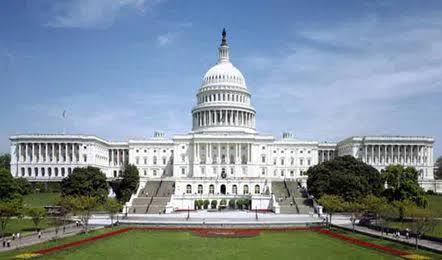
Frustration with the federal government has been a prevalent sentiment in Washington for years that has surfaced as the parties transition to power. Today we will discuss about White House Pressure Mounts: Court Battles, States Rebel, Tension Up
White House Pressure Mounts: Court Battles, States Rebel, Tension Up
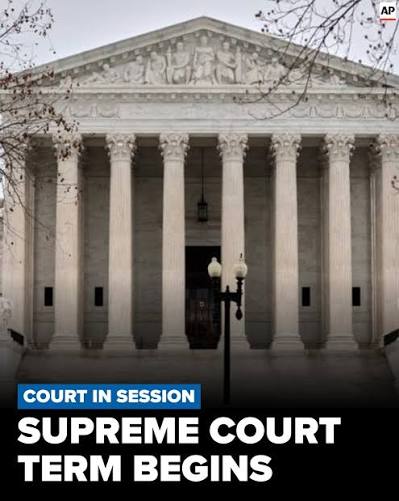
Pressure on the White House has reached a new peak as court battles multiply, state governments openly defy federal directives, and political tensions escalate across the country. From constitutional clashes to public unrest, the U.S. is entering one of its most turbulent governance phases in decades. What began as scattered disputes has now evolved into a broad conflict involving governors, judges, activists, and federal agencies — each pulling in different directions.
Amid these high-stakes confrontations, an unexpected subplot involving a so-called “fake death kayaker” has added bizarre fuel to an already combustible news cycle. Taken together, these events reveal a nation grappling with deep institutional strain and political division.
This in-depth article breaks down the rising tension, the power struggles defining the moment, and the symbolic stories shaping public perception.
Part I — Courts Clip the White House’s Wings

1. Judges Push Back Against Federal Overreach
Over recent months, federal courts have repeatedly intervened to curb the White House’s use of executive authority. In multiple states, judges have issued injunctions blocking federal deployment of forces, halting implementation of controversial executive orders, and demanding clearer constitutional justification for aggressive federal actions.
These rulings signal a judiciary increasingly willing to challenge — and sometimes outright reject — rapid-fire policy shifts from the executive branch.
2. National Guard Deployment Controversies
One of the most contentious battles involves the federalization and deployment of state National Guard units. Several governors have accused the White House of:
Overstepping constitutional boundaries
Misusing emergency powers
Politically weaponizing military resources
Courts, in several cases, sided with the states, arguing that the administration failed to meet the necessary legal standards to override state control. This has become a defining legal drama, underscoring how emergency powers are being tested in new ways.
3. Immigration and Civil-Rights Orders Face Scrutiny
Other legal challenges revolve around executive orders tied to immigration enforcement, federal staffing guidelines, and civil-rights interpretations. Civil-rights groups and state attorneys general have filed multiple lawsuits claiming that these directives:
Discriminate against immigrant populations
Interfere with state-level protections
Circumvent existing statutes
Courts have begun issuing split decisions — some permitting portions of the orders to proceed, others blocking immediate enforcement. What’s clear is that the judiciary has become a central battlefield in the struggle over federal authority.
Part II — States Rebel: Governors in Open Conflict with Washington
1. A “Divided States” Atmosphere
The rift between states and Washington has grown into a national confrontation. Governors in blue states, and in some cases swing states, have openly defied federal directives, framing their resistance as a necessary defense of state sovereignty.
In response, the White House has criticized these governors for undermining national security and obstructing federal priorities. This back-and-forth has created a fractured political map with completely different legal standards depending on state borders.
2. California, Oregon, Illinois Lead the Defiance
These states have taken some of the strongest positions against the administration. Their leaders argue that federal actions threaten:
Civil liberties
Public safety
Constitutional checks and balances
The conflict has spread to areas including environmental policy, law enforcement cooperation, public health enforcement, and federal funding conditions.
3. The Rise of “Parallel Governance”
As the clash intensifies, observers note the rise of what looks like parallel governance systems:
States issuing their own rules contrary to federal directives
Federal agencies attempting to enforce opposing national rules
Local governments choosing sides based on political alignment
The result is a fractured political landscape that many warn could set long-term precedents for a divided federal-state relationship.
Part III — White House Under Strain: Internal and External Pressure
1. Political Allies Growing Uneasy
Even within the President’s own party, there are signs of concern. Some allies privately admit that certain decisions — especially relating to rapid deployment of federal forces or confrontational executive orders — may backfire politically. Others worry about the optics of losing repeated court battles.
The White House, however, insists that its actions are legal, necessary, and aligned with national priorities.
2. Public Opinion Polarized
Public sentiment reflects deep division:
Supporters praise the administration’s decisive approach
Critics warn of authoritarian drift
Moderates express exhaustion with constant national conflict
Polls increasingly show Americans split not only by party but by geographic region and economic class, further complicating the political landscape.
3. Pressure from Advocacy Groups
Civil-liberties organizations and legal coalitions continue to challenge the administration aggressively. They argue that this moment represents a pivotal test for American democracy, especially regarding:
Limits of executive power
Protection of civil rights
Balance between federal authority and state autonomy
Their activism has helped fuel ongoing litigation and public debate.
Part IV — Tension Up: A Nation on Edge
1. Political and Civic Unrest Growing
The disputes between states and the White House have not remained confined to legal filings. They have sparked protests, counter-protests, and heated public gatherings — in some cases resulting in clashes between opposing groups.
Law enforcement agencies, both federal and local, have expressed concern about:
Escalating street confrontations
Threats against government officials
Increasingly aggressive rhetoric online and offline
2. Media Amplifies the Divide
Different media ecosystems paint radically different pictures of the same events. This contributes to:
Confusion among the public
Widening belief-system gaps
Declining trust in institutions
The conflicting narratives further destabilize a nation already grappling with competing realities.
Part V — The “Fake Death Kayaker” Twist: Symbol of a Chaotic Climate
In the midst of high-stakes institutional battles, a strange and viral subplot emerged: the case of a “fake death kayaker.”
According to law-enforcement reports, an individual staged his own disappearance after tipping his kayak, triggering a massive search-and-rescue operation. Hours later, authorities discovered he had faked the incident to evade financial, legal, or personal troubles.
Why This Story Matters
Ordinarily, such a bizarre case would be a quirky headline — but this time, it struck a chord.
The “fake death kayaker” quickly became:
A meme
A political metaphor
A talking point in debates about chaos and distrust
For many, the story symbolized a broader mood: a sense that uncertainty, deception, and misinformation dominate the national atmosphere. Commentators seized on it to illustrate how individuals, institutions, and even entire states feel compelled to “escape” political overwhelm.
In a climate where truth is disputed daily, the kayaker story became an odd, yet strangely fitting, reflection of the country’s larger anxieties.
Part VI — What This All Means: A Nation at a Crossroads
1. Constitutional Balance Under Stress
The conflict between federal and state power has been part of U.S. history since its founding — but rarely has it been this public, this prolonged, or this consequential. Both sides claim constitutional fidelity, yet interpret federalism in opposite ways.
2. Court Battles Will Shape the Future
Ongoing litigation will likely define:
Limits of presidential emergency authority
States’ rights to reject federal directives
Appropriate use of National Guard forces
Boundaries of executive orders
Whatever the outcomes, they will set precedents felt for decades.
3. Political Climate Likely to Intensify
With elections approaching and public divisions deepening, political tension is almost certain to rise. Analysts warn that continued clashes between Washington and the states could lead to long-term structural shifts in governance.
4. Public Trust at Stake
As legal battles unfold and political leaders trade accusations, the greatest casualty may be national trust. Institutions depend on legitimacy — and legitimacy depends on public faith. That faith is now under strain like never before.
Conclusion: A Turning Point in American Governance
The White House faces mounting pressure from courts, states, activists, and a deeply divided public. Legal setbacks, state rebellion, and rising political tension signal that the country is entering a defining era of constitutional testing.
In parallel, odd stories like the “fake death kayaker” reflect a national mood of confusion, frustration, and surreal political theater. Together, these narratives paint a picture of a country wrestling with its identity, its institutions, and its future.
Whether this moment leads to renewal or deeper division will depend on how leaders, citizens, and courts navigate the conflicts ahead.
How useful was this post?
Click on a star to rate it!
Average rating 0 / 5. Vote count: 0
No votes so far! Be the first to rate this post.
About the Author

usa5911.com
Administrator
Hi, I’m Gurdeep Singh, a professional content writer from India with over 3 years of experience in the field. I specialize in covering U.S. politics, delivering timely and engaging content tailored specifically for an American audience. Along with my dedicated team, we track and report on all the latest political trends, news, and in-depth analysis shaping the United States today. Our goal is to provide clear, factual, and compelling content that keeps readers informed and engaged with the ever-changing political landscape.