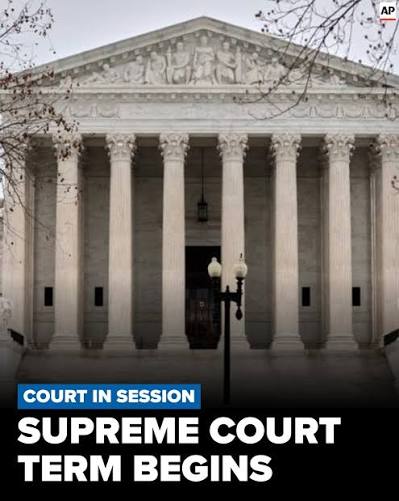
Border Showdown: Governors Push Back, Federal Pressure Intensifies
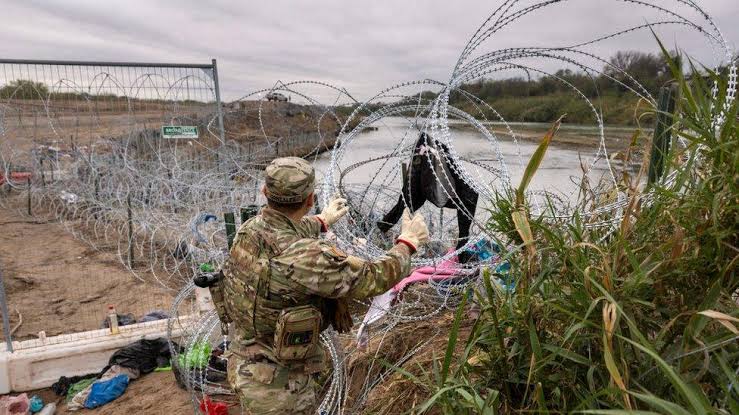
The standoff between federal Border Patrol and Texas state officials is intensifying following the Supreme Court’s ruling in favor of the Biden administration. Today we will discuss about Border Showdown: Governors Push Back, Federal Pressure Intensifies
Border Showdown: Governors Push Back, Federal Pressure Intensifies
The U.S. border crisis has entered a volatile and unprecedented phase. Across multiple states, governors — led most prominently by Texas — are challenging long-standing federal authority over immigration enforcement. Meanwhile, the federal government has responded with sweeping new operations, expanded budgets, and aggressive nationwide deportation campaigns, setting the stage for one of the most consequential federal-state clashes in modern American history.
This “border showdown” is not simply about immigration. It is about power, constitutional interpretation, political ideology, and competing visions for national identity. The standoff between states demanding control and a federal government asserting supremacy is reshaping the debate in ways that could define immigration policy for decades.
Governors Push Back: States vs. Federal Authority
Texas Leads the Defiance
Texas has become the epicenter of open resistance to federal immigration authority. In early 2024, the state deployed National Guard forces and state troopers to a strategic stretch of the Rio Grande, erecting barriers such as razor wire, shipping containers, and armed checkpoints. In one widely covered incident, Texas forces seized control of a public park used by federal border agents to process migrants, physically blocking federal access.
Despite a Supreme Court ruling permitting federal agents to cut state-installed razor wire, Texas refused to comply. State leaders argue that under the Constitution, Texas has a “right of self-defense” because the federal government has failed to secure the border.
In 2025, Texas renewed its long-running disaster declaration for border counties, describing migration as a continuing threat and giving the governor broad emergency powers. The state also committed billions more to its border-security initiative, signaling that it does not plan to step back — even with more aggressive federal enforcement underway.
A Growing Coalition of Governors
Texas is no longer isolated. Nearly two dozen Republican governors have publicly backed Texas’s stance, arguing that states have a right — even a duty — to intervene when federal action is perceived as insufficient.
Governors in states such as Florida, Virginia, Tennessee, and Ohio have echoed the argument that mass migration constitutes an “invasion,” and therefore states may assert direct control over border enforcement. Some governors have even offered to send National Guard troops and law-enforcement resources to assist Texas.
This coalition reflects a new political philosophy: that immigration enforcement is not solely a federal responsibility but a “shared burden” that states may assume if the federal government fails to act.
Legal and Constitutional Fault Lines
Despite strong state rhetoric, legal scholars have raised alarms. Under established constitutional doctrine, immigration and border control fall under federal authority. Critics argue that state assertions of an “invasion” stretch constitutional language and risk undermining uniform national policy.
If states can label migration an invasion and take independent action, some fear this could create a precedent for states to ignore federal authority in other domains — from environmental regulation to international commerce. The resulting fragmentation could destabilize governance and threaten the balance of power between state and federal systems.
Some analysts warn the conflict is edging toward a constitutional crisis, as states deploy armed personnel against federal directives — an extraordinary situation in modern U.S. history.
Federal Pressure Intensifies: Enforcement, Operations, and New Laws
A Wave of New Immigration Laws
The federal government has responded with sweeping reforms. Congress passed a massive funding package allocating tens of billions of dollars to border wall construction, detention facilities, and the hiring of thousands of new immigration agents. The legislation empowers federal agencies to expand detention capacity, accelerate deportation timelines, and enforce immigration laws more aggressively inside the United States — not just at the border.
Additionally, a presidential executive order broadened expedited removals, penalized sanctuary jurisdictions, and strengthened criminal and civil penalties for undocumented migrants who fail to comply with registration or deportation requirements.
These actions signal a clear federal strategy: demonstrate force, increase removals, and send a message that immigration law will be enforced uniformly nationwide.
Enforcement Operations Move Beyond the Border
What distinguishes the current phase of enforcement is its geographic scope. In 2025, federal agencies launched a large-scale operation across major metropolitan areas, most prominently in Chicago, where thousands of undocumented migrants were detained in coordinated raids across neighborhoods, workplaces, and transportation hubs.
Although federal officials have stated the operation targets migrants with criminal histories, internal data shows that most detainees had no prior convictions. Only a small fraction were linked to violent crimes; the majority were detained for civil immigration violations like overstaying visas or crossing without inspection.
Similar operations have expanded into other cities, dramatically increasing arrests in places not accustomed to heavy immigration enforcement. This represents a major shift from past administrations, which typically prioritized border regions and individuals with criminal records.
Impact of Federal Actions
Federal officials argue the strategy is working — that stronger enforcement is necessary to deter illegal crossings and prevent states from creating inconsistent immigration policies. Increased arrests and removals are presented as evidence of restored order.
But critics contend that the operations cast too wide a net, ensnaring people with deep community ties, long work histories, and no criminal background. Civil-rights groups warn that widespread raids risk violating due-process rights, increasing racial profiling, and destabilizing communities.
The federal government’s approach is not solely punitive; it is also symbolic, aimed at reasserting federal supremacy in immigration policy. Yet it is the breadth and intensity of enforcement that has sparked nationwide debates.
Collision Course: Implications for Migrants, States, and the Nation
Migrant Communities Face Fear and Uncertainty
For millions of migrants — documented and undocumented — the border showdown has created an unpredictable and frightening environment. In cities where migrants once felt relatively safe, fear of federal raids has grown.
Parents are keeping children home from school. Community organizations report increased demand for legal help, mental-health support, and emergency assistance. Families fear separation. Even lawful permanent residents in mixed-status households worry about mistaken identity or collateral arrests.
This climate affects public safety, education, health services, and economic stability. When people are afraid to leave their homes, societal systems break down. Community leaders warn of a “shadow population” increasingly removed from public life.
States Face Legal and Political Consequences
States that align with Texas may face lawsuits, federal preemption challenges, funding disputes, and political blowback. Governors backing aggressive action often argue they are defending their citizens, but they risk being accused of constitutional overreach or human-rights violations.
At the same time, states resisting federal enforcement could face loss of federal funding or increased federal pressure. Sanctuary jurisdictions may become testing grounds for legal battles about federal authority, civil rights, and local autonomy.
The result is a patchwork landscape — one where immigration outcomes can vary dramatically depending on state lines.
Federal Government Risks Political Turbulence
The federal government must balance enforcement with constitutional restraints, civil-rights protections, and public opinion. Aggressive operations may alienate moderate voters or spark widespread pro
How useful was this post?
Click on a star to rate it!
Average rating 0 / 5. Vote count: 0
No votes so far! Be the first to rate this post.
About the Author

usa5911.com
Administrator
Hi, I’m Gurdeep Singh, a professional content writer from India with over 3 years of experience in the field. I specialize in covering U.S. politics, delivering timely and engaging content tailored specifically for an American audience. Along with my dedicated team, we track and report on all the latest political trends, news, and in-depth analysis shaping the United States today. Our goal is to provide clear, factual, and compelling content that keeps readers informed and engaged with the ever-changing political landscape.