Immigration Shock: Trump Tightens Rules, Families Fear New Crackdown
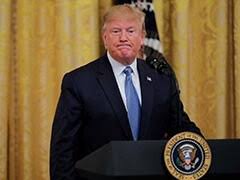
Trump orders review of green-card holders from Afghanistan and other countries of concern. Today we will discuss about Immigration Shock: Trump Tightens Rules, Families Fear New Crackdown
Immigration Shock: Trump Tightens Rules, Families Fear New Crackdown
When Donald J. Trump began his second presidency in 2025, he moved swiftly to implement a sweeping overhaul of the U.S. immigration system. The changes — from stricter visa vetting to expanded biometric surveillance and a freeze on asylum-based green cards — have sent shockwaves through immigrant communities across the country and abroad.
Families are worried, employers are uneasy, and millions of immigrants now feel caught in a system that seems to shift by the month. What was once viewed as a long, complicated but mostly predictable path to a new life in America has become a landscape of sudden rule changes, surprise restrictions, and deep uncertainty.
This article explores the full scope of the immigration shock: what has changed, who is affected, why the administration says these changes are needed, and why many families fear a new era of crackdown.
A New Immigration Landscape: What Has Changed
1. Stricter Vetting of Family-Based Visas
In mid-2025, U.S. immigration authorities rolled out a tougher screening process for family-based visas. Petitions for spouses, parents, children, and other relatives now undergo deeper scrutiny, more documentation requirements, and heightened fraud investigations.
Previously, while lengthy, family petitions moved through a fairly predictable system. Today, applicants are facing:
Longer waits
More requests for evidence
Additional interviews
Higher risk of denial
Immigration attorneys warn that genuine families may face delays stretching into years — or risk being denied for minor inconsistencies in paperwork. Many families who had spent years apart now face a new round of uncertainty and fear.
2. Freeze on Asylum and Refugee Green Cards
One of the most devastating changes for vulnerable immigrants has been the pause on green-card processing for both refugees and asylum seekers.
Thousands who had already cleared background checks or completed years of asylum procedures suddenly saw their path to permanent residency frozen indefinitely. Many had rebuilt their lives in the U.S. — working, studying, raising children — only to learn they would not be able to become permanent residents anytime soon.
Advocates say this leaves already traumatized people in extended limbo, unsure whether they can put down roots or even remain in the country long-term. Families who fled war or persecution now face the emotional burden of waiting without answers.
3. Expansion of Biometric Screening for All Entrants
Late 2025 brought one of the most sweeping expansions of surveillance in U.S. immigration history: mandatory biometric screening for all foreign nationals entering or exiting the U.S.
This includes:
Fingerprints
Facial recognition scans
Real-time cross-database identity checks
Even groups previously exempt — such as young children and elderly travelers — are now included. The government describes this as an anti-fraud security measure, but critics argue it normalizes intrusive surveillance of millions of lawful visitors and permanent residents.
Green card holders, in particular, express frustration: although legally permanent residents, they are now subjected to the same level of biometric scrutiny as first-time visitors every time they travel.
4. Work and Student Visas: Higher Costs, More Barriers
Changes have also hit skilled professionals and students hard.
New policies include:
A dramatic increase in work-visa application fees
Elimination of automatic work-permit extensions
Stricter interview and renewal requirements for work and study visas
Additional background checks, sometimes repeated annually
For international students, the path from studies to employment — once a major draw of the U.S. university system — is now far more uncertain.
For skilled workers, especially in technology, research, and healthcare, visa renewals bring intense anxiety. Employers warn that the new regulations may hurt recruitment, slow innovation, and push global talent toward other countries.
5. A Shift Toward a “Security-First, Merit-Only” System
The overarching philosophy behind the reforms is clear: reduce the number of immigrants entering through family, humanitarian, or diversity categories, and pivot toward a more limited, highly selective, merit-based system.
Key goals include:
Reducing family-based immigration
Restricting humanitarian pathways
Expanding detention capacity
Speeding up deportations
Increasing continuous vetting of visa holders
In essence, the U.S. is becoming a less welcoming destination — especially for families and vulnerable migrants.
Who Is Affected?
Families Separated Across Borders
For families hoping to reunite, the new rules are heartbreaking. Many who had waited years for approval now face:
New documentation hurdles
Repeated vetting
Delayed interviews
Requests for additional proof of relationships
Couples fear being separated. Children remain abroad with grandparents. Elderly parents worry they may never see their families in the U.S. again.
Many immigrants describe living with a constant dread that one small mistake in paperwork could cost them the life they have built.
Asylum Seekers and Refugees
Those fleeing violence, persecution, or war face the harshest blow. The freeze on asylum and refugee green cards leaves many in legal limbo.
They cannot travel.
They cannot secure permanent jobs.
They cannot plan for their families’ future.
Organizations helping refugees describe the situation as “devastating,” especially for people who already suffered trauma in their home countries.
Skilled Workers and International Students
Tech professionals, doctors, researchers, and engineers now face tougher, expensive, and longer visa processes. Students fear that their degree may no longer translate into a legal pathway to work in the U.S. The uncertainty is pushing many talented people to choose other countries with clearer immigration routes.
Companies warn the U.S. risks losing its competitiveness if global talent feels unwelcome or insecure.
Immigrants Already Living in the U.S.
Even lawful visa holders are under increased scrutiny. The government is conducting “continuous vetting” — meaning millions of visas can be re-evaluated at any time. People living legally in the U.S. fear sudden revocations or deportations based on past travel, social-media activity, or administrative errors.
For many, every knock on the door or unexpected letter from immigration officials triggers fear.
Why the Administration Supports These Changes
According to officials, the new rules are needed for:
Stronger national security
Reducing fraud
Preventing visa overstays
Prioritizing American workers
Shifting to a skills-based immigration model
They argue that the previous system was too vulnerable to abuse, too slow, and too focused on family reunification rather than economic contribution.
Why Critics Are Alarmed
Advocacy groups, civil-liberties organizations, and community leaders say the new rules:
Harm innocent families
Break long-standing humanitarian commitments
Create fear among legal immigrants
Increase surveillance and privacy risks
Disproportionately affect immigrants from poorer nations
Undermine the U.S. reputation as a welcoming nation
Many believe the policy changes are designed not to improve the system but to drastically reduce immigration overall.
Human Stories Behind the Statistics
Though policies appear technical on paper, real lives are being upended:
A spouse waiting years for a visa now faces another multi-year delay.
A refugee who escaped violence is unable to secure a green card after waiting nearly a decade.
A skilled engineer fears losing his job due to a delayed work-permit renewal.
A student completing a degree in the U.S. wonders if she will be forced to leave upon graduation.
The emotional toll is enormous — anxiety, uncertainty, fear of separation, and the constant worry of being unable to plan even basic aspects of life.
Global Impact — Especially in Immigrant-Rich Countries
Countries such as India, Mexico, the Philippines, China, and Nigeria — which send large numbers of students and workers to the U.S. — are already feeling the ripple effects.
For example:
Students are applying to Canada, Australia, and the U.K. instead of U.S. universities.
Tech professionals are accepting European job offers rather than risk U.S. visa delays.
Families abroad are reconsidering U.S. immigration entirely.
The U.S., once the top global destination, is slowly losing its reputation as the most reliable path to opportunity.
What the Future Might Look Like
Experts predict that:
Biometric and digital surveillance will expand even further.
Visa categories may shrink or tighten.
Backlogs will grow.
Legal challenges from civil-rights groups may increase.
A climate of fear may push immigrants into staying “under the radar,” hesitant to travel or apply for new benefits.
Unless policy changes are reversed or softened, the U.S. immigration system could become the strictest it has been in modern history.
Why It All Matters
Immigration has long shaped the economic strength, cultural diversity, and global leadership of the United States. The 2025 changes represent a turning point — shifting from an open-door philosophy to a heavily restricted, security-first framework.
This matters because:
Families risk permanent separation.
Refugees and asylum seekers lose hope.
Skilled workers may take their talents elsewhere.
America risks its global competitive edge.
Communities face division, fear, and instability.
The human cost — emotional, economic, cultural — may be felt for decades.
What Immigrants Should Do Now
If you or your loved ones are affected:
Keep all immigration documents up to date.
Work with licensed immigration attorneys if possible.
Avoid travel without checking current rules.
Prepare for delays in renewals, interviews, and approvals.
Stay informed — policies may shift again at any time.
Conclusion
The immigration shock of 2025 is more than a policy shift — it is a sweeping redefinition of what immigration to the United States means. Families are divided, asylum seekers wait in limbo, skilled workers face uncertainty, and millions of immigrants fear sudden changes in their status.
Whether this becomes a long-term reality or a temporary chapter depends on future political and legal battles. But for now, the message is unmistakable: the U.S. immigration system has entered a tougher, more uncertain era — one that demands vigilance, resilience, and, for many, hope against the odds.
How useful was this post?
Click on a star to rate it!
Average rating 0 / 5. Vote count: 0
No votes so far! Be the first to rate this post.
About the Author

usa5911.com
Administrator
Hi, I’m Gurdeep Singh, a professional content writer from India with over 3 years of experience in the field. I specialize in covering U.S. politics, delivering timely and engaging content tailored specifically for an American audience. Along with my dedicated team, we track and report on all the latest political trends, news, and in-depth analysis shaping the United States today. Our goal is to provide clear, factual, and compelling content that keeps readers informed and engaged with the ever-changing political landscape.