Border Surge or Political Game: DHS Report Sparks Nationwide Debate
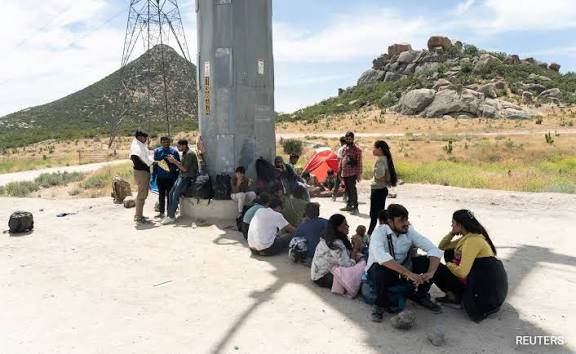
In September it was reported that 2 million illegal immigrants have either been deported or deported themselves since Trump took office. Today we will discuss about Border Surge or Political Game: DHS Report Sparks Nationwide Debate
Border Surge or Political Game: DHS Report Sparks Nationwide Debate
In late 2025, the U.S. Department of Homeland Security (DHS) released new border-encounter data that immediately ignited a nationwide debate. Officials touted the report as historic: record-low border crossings, dramatically fewer apprehensions, and evidence—according to them—that the border crisis had finally been brought under control.
Supporters praised the numbers as proof that strong enforcement policies were working. Critics, however, argued that the data did not tell the whole truth. They warned that the drop in encounters may reflect policy changes, altered reporting methods, or a shift in migration routes rather than an actual solution to the underlying issues.
The question quickly became unavoidable: Is the border surge truly over—or is the DHS report part of a broader political game?
What the New DHS Report Shows

Historic Low Encounters in 2025
The report highlighted several striking points:
Total encounters nationwide reached some of the lowest levels ever recorded for an October.
Border apprehensions in the 2025 fiscal year were reportedly the lowest in over five decades.
Monthly averages dropped dramatically compared with previous years, especially those between 2021 and 2024.
Daily apprehension rates fell from several thousand per day to a few hundred, according to DHS announcements.
In summary, the government framed 2025 as the most successful year for border control in modern U.S. history.
Enforcement and Policy Shifts Behind the Numbers
The data did not exist in a vacuum. Several major policy and operational developments accompanied this dramatic shift:
Increased deportations, including larger-scale removal operations across major U.S. cities.
Stricter asylum rules making it harder for migrants to request protection at the border.
Enhanced border infrastructure, including barriers, surveillance systems, and expanded manpower.
More interior enforcement, with multiple operations targeting undocumented immigrants far from the border.
Together, these strategies created an environment designed to deter unauthorized entry and increase removals—resulting in fewer encounters at the Southwest border.
The Political Divide: Border Surge vs. Political Game
The DHS report has split politicians, experts, and the public into two sharply opposing camps.
1. The “Border Secured” Narrative
Supporters of the current administration argue that:
The numbers prove success
They say the dramatic decrease in encounters is a direct result of decisive leadership, tougher policies, and improved border security infrastructure.
Deterrence is working
With increased deportations, tightened asylum requirements, and stronger border presence, migrants may be less likely to attempt illegal crossings.
The previous crisis has been brought under control
Many officials frame the 2021–2024 period as chaotic, with record-high crossings and overwhelmed facilities, and claim that 2025 shows a restored sense of order.
The border is safer
Supporters often claim that decreased crossings mean fewer human smuggling operations, fewer cartel-related activities, and improved protection for American communities.
Overall, this narrative insists that the border surge has not just slowed — it has been resolved.
2. The “Political Game” Narrative
Critics tell a very different story.
Underreporting concerns
Some argue that the lowered numbers may not reflect fewer people arriving, but rather fewer being officially counted. Migrants might be shifting to less monitored routes or avoiding detection entirely.
Humanitarian consequences
Advocates point out that many of those detained or deported are not criminals but families fleeing violence or poverty. They warn that aggressive enforcement may lead to human rights violations, inadequate due process, and increased suffering for vulnerable populations.
Interior raids raise alarm
Large-scale operations in major cities have raised concerns about profiling, wrongful detentions, and the arrest of individuals with no serious criminal history. Critics argue that these efforts are meant more to create a political image of toughness than to address genuine threats.
The data may be used as a political tool
Opponents argue that governments often release or highlight certain statistics to shape public perception — particularly during critical political cycles. They warn that celebrating short-term successes may distract from long-term challenges.
Structural issues remain unresolved
Even if fewer people are crossing today, the global forces that drive migration—such as poverty, conflict, and climate change—have not disappeared. Critics caution that without addressing root causes, the perceived “victory” may be temporary.
Why This Debate Matters
The battle over border data is about far more than numbers.
National security
For many Americans, border security is central to national identity, crime reduction, and protection from external threats. If the numbers truly represent fewer illegal entries, that could signify real improvement.
However, if they conceal shifts in smuggling tactics or undocumented migration routes, security risks may remain—or even increase.
Human rights
Asylum seekers, families, and vulnerable individuals are often the ones caught in the crossfire of harsh policies. The question becomes whether the U.S. can protect its borders while still upholding humanitarian values.
Public trust
Conflicting narratives erode public trust. If data is perceived as politicized or incomplete, communities lose confidence in institutions responsible for immigration policy.
Political polarization
Immigration is already one of the most divisive issues in American politics. The DHS report, depending on how it is interpreted, may further deepen partisan lines.
What Experts Say: More Context Needed
Researchers and policy analysts caution against drawing definitive conclusions from one year of data.
Migration patterns fluctuate
Migration tends to rise and fall based on seasonal, political, and economic conditions. A sharp drop after a record high may represent correction rather than permanent change.
Asylum reforms affect numbers
If asylum becomes less accessible, fewer people will attempt to present themselves at the border—leading to lower official encounter figures, without reducing migration pressure.
Interior enforcement shifts the problem
Fewer border crossings may lead to more enforcement inside the country. This raises questions about rights, legal processes, and the treatment of long-term undocumented residents.
Long-term solutions require more than enforcement
Experts generally agree that sustainable solutions depend on international cooperation, economic development, humanitarian aid, and reforming legal immigration pathways.
The Road Ahead: What to Watch in 2026
As the U.S. enters 2026, several factors will determine whether the drop in encounters represents a real shift or a temporary lull.
1. Data transparency
Will DHS continue releasing full, detailed reports? Without transparency, it’s impossible to judge long-term success.
2. Long-term migration trends
It will be critical to watch whether numbers remain low, or rise again due to global pressures.
3. Humanitarian balance
Future policies will be judged not only by their effectiveness, but by how they impact refugees, families, and vulnerable individuals.
4. Political influence
Election cycles often amplify border narratives. It’s important to distinguish policy impact from political messaging.
5. International factors
Migration flows depend heavily on global instability, climate shifts, and economic conditions abroad. These forces may drive future surges regardless of U.S. domestic policy.
Conclusion: The Border Surge May Be Slowing — But the Debate Isn’t
The DHS report presents undeniable evidence of declining encounters at the U.S. border. But whether these numbers represent genuine progress or carefully crafted political messaging is still fiercely debated.
What is clear is that the border remains a complex space—not just a security zone, but a humanitarian frontier where global realities collide with national policies.
The surge may have slowed, but the political, human, and ethical questions remain.
To move forward, the country needs transparency, balanced policy, and an honest conversation about what border security means — and what it should stand for.
How useful was this post?
Click on a star to rate it!
Average rating 0 / 5. Vote count: 0
No votes so far! Be the first to rate this post.
About the Author

usa5911.com
Administrator
Hi, I’m Gurdeep Singh, a professional content writer from India with over 3 years of experience in the field. I specialize in covering U.S. politics, delivering timely and engaging content tailored specifically for an American audience. Along with my dedicated team, we track and report on all the latest political trends, news, and in-depth analysis shaping the United States today. Our goal is to provide clear, factual, and compelling content that keeps readers informed and engaged with the ever-changing political landscape.