Oil Drilling Expansion: Florida & California Residents React as White House Approves New Plan

The Trump administration’s plan for new offshore oil drilling near Florida and California has drawn strong opposition from state officials and environmental groups. Today we will discuss about Oil Drilling Expansion: Florida & California Residents React as White House Approves New Plan
Oil Drilling Expansion: Florida & California Residents React as White House Approves New Plan
In a highly controversial move, the White House has approved a sweeping offshore oil drilling plan that targets previously restricted U.S. waters — particularly off the coasts of California and Florida. The announcement has drawn fierce backlash from state leaders, environmental advocates, and coastal communities, triggering debates about economic risk, environmental protection, and national energy strategy.
Background and Details of the Plan
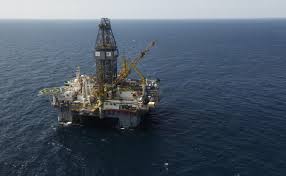
The newly unveiled federal plan proposes new offshore oil and gas lease sales, marking the first significant expansion in decades in both California and parts of Florida.
California: The plan envisions six lease sales between 2027 and 2030 along the California coastline.
Florida: The target for new drilling is in the Gulf of Mexico, at least 100 miles from the Florida shore, in a newly designated “South-Central Gulf” region.
Other Areas: Beyond California and Florida, over 20 lease sales are planned in Alaska, including a newly proposed area in the High Arctic, more than 200 miles offshore.
Interior Secretary Doug Burgum defended the proposal, stating that the plan would strengthen the U.S. offshore industry, preserve jobs, and promote “energy dominance” for decades. Meanwhile, the American Petroleum Institute described it as a “historic step” to unlock vast offshore resources.
Why Now? Strategic Motivations
The administration’s push comes against a backdrop of political and economic calculation:
Energy Independence & Jobs: The plan is framed as a way to bolster U.S. energy security, reduce dependence on foreign oil, and stimulate domestic job growth in the energy sector.
Reversal of Previous Policy: This proposal marks a clear reversal from policies under the previous administration, which had imposed tighter restrictions on offshore drilling in favor of climate goals.
Offsetting Regulatory Barriers: The administration has simultaneously curtailed attention on renewable energy, having blocked offshore wind projects and rescinded billions in green energy grants.
Reactions from Florida
Florida’s reaction has been strongly negative, though not uniformly partisan.
Bipartisan Political Resistance: Both Democratic and Republican leaders in Florida have expressed concern. The plan revives fears about tourism, coastal integrity, and environmental disaster.
Economic Concern: Florida’s economy leans heavily on pristine beaches and clean waters, which are vital assets for its tourism industry.
Military Risk: Some Florida lawmakers have raised national security and military training concerns. They argue drilling could interfere with nearby military air bases, possibly hampering testing of munitions.
Historical Worries: Memories of environmental disasters, such as the Deepwater Horizon oil spill, worsen local anxieties.
Reactions from California
In California, the backlash has been especially intense, reflecting the state’s long-standing environmental credentials and its painful history with offshore oil spills.
Governor’s Response: Governor Gavin Newsom denounced the plan as “dead on arrival,” signaling that the state would use “every tool at our disposal” to block the proposal.
Environmental Alarm: Critics highlight the risk to marine ecosystems, pointing out that the proposed drilling could endanger species and habitats, particularly in sensitive coastal areas.
Legal & Infrastructure Hurdles: Even if leases are sold, companies may struggle to build the necessary infrastructure. California lacks sufficient onshore terminals, pipelines, and regulatory alignment to support large-scale offshore extraction.
Climate Policy Clash: The plan clashes with California’s climate commitments. State laws increasingly prioritize a shift away from fossil fuels, making expanded drilling politically and legally fraught.
Critics from Within: California Attorney General slammed the proposal, suggesting it serves “Big Oil” interests at the expense of science, public welfare, and state sovereignty.
Environmental Risk: What’s at Stake
A key dimension of the controversy centers on environmental risk, with coastal communities, marine biologists, and environmental groups warning of potentially catastrophic consequences.
Oil Spills: The threat of oil spills remains perhaps the most potent risk. Even a single spill could devastate coastal economies, biodiversity, and public health.
Marine Ecosystems: Drilling operations can disrupt marine habitats, including critical feeding grounds for whales and other large marine species.
Climate Impact: By doubling down on fossil fuel extraction, the plan may undermine national and global efforts to curb greenhouse gas emissions and mitigate climate change.
Coastal Property & Tourism: Oil pollution not only risks ecological damage but could suppress real estate values, deter tourism, and strain local economies dependent on clean beaches.
Regulatory Risks: Companies may face strict legal challenges and strong resistance from states, increasing the cost and complexity of development.
Political and Strategic Implications
The plan’s implications extend well beyond environmental risk — it is reshaping political, economic, and strategic debates.
Domestic Political Battle: The proposal has sharply divided political actors. While the administration and industry groups frame it as a win for energy dominance and job creation, many Democrats and some Republicans are joining forces to oppose it.
State vs Federal Power: California’s resistance underscores a broader tension between state-level climate and environmental goals and federally driven energy policy.
Long-Term Feasibility: Even if leases are approved, actual drilling and production could take years. The oil from new leases may not reach the market for some time.
Energy Market Dynamics: While unlocking new offshore areas may enhance supply, it also comes at a time when the industry is increasingly pressured by low carbon alternatives, volatile oil prices, and uncertain returns.
Legal and Regulatory Pushback: Environmental groups and state governments could challenge the plan in courts. California officials have vowed to fight it.
Broader Context: Historical Memory
The revival of drilling near California and Florida brings back traumatic memories of past disasters — serving as a powerful motivator for today’s opposition.
1969 Santa Barbara Oil Spill: Often cited by environmental advocates, the Santa Barbara spill is a watershed event in U.S. environmental regulation. Its legacy continues to shape how Californians view new drilling proposals.
2010 Deepwater Horizon: In Florida, memories of the catastrophic Gulf of Mexico spill still haunt local communities, strengthening resistance to offshore exploitation.
The Role of Environmental and Civil Society Groups
Environmental organizations are mobilizing quickly in response to the plan. They argue that:
Risk is Unacceptable: There is no way to drill for oil without causing devastating impacts.
Legal Action is Likely: Given the strong objections from state leaders, environmental groups may pursue litigation to block lease sales or challenge permits.
Public Mobilization: Coastal communities, particularly those dependent on tourism and fishing, are likely to organize and raise their voices in protest.
Economic Views: Industry vs Community
The economic case for the plan is nuanced:
Industry Perspective: Proponents argue that the leasing plan could unlock new production, generate revenue, and support jobs.
Community Concerns: Coastal economies in California and Florida rely heavily on tourism, real estate, and fishing. An oil spill or even the perception of risk could undermine those sectors.
Cost of Infrastructure: Building the infrastructure to support offshore drilling — such as terminals, pipelines, and transport facilities — could be prohibitively expensive, especially in regions like California where state regulators may resist.
Security and Strategic Risks
Beyond economics and environment, there are strategic dimensions to the debate:
Military Concerns in Florida: Lawmakers have warned that offshore drilling could interfere with military training zones, especially near airbases where testing of advanced weaponry occurs.
Geopolitical Leverage: By increasing domestic production, the United States may reduce its reliance on foreign oil, potentially strengthening its energy independence and geopolitical posture.
Long-Term Viability: The long timeline for exploration, permit approvals, and infrastructure development may expose projects to changing political winds and global energy transitions.
Potential Scenarios and Outcomes
Given the strong pushback and complex landscape, several scenarios could unfold:
Full Implementation: Lease sales could begin as scheduled, leading to exploratory drilling and potential long-term production.
Legal Delays or Blockades: Significant legal challenges from states and environmental groups might delay or limit drilling activities.
Scaled-Back Version: The administration may revise the proposal in response to political and public pressure — for instance, reducing the number of lease sales or tightening environmental safeguards.
Abandonment or Reversal: Under sustained opposition, the plan could be significantly altered or even scrapped, especially if costs outweigh projected benefits or if public backlash intensifies.
Broader Implications for U.S. Energy Policy
This proposal is more than just a regional measure — it is emblematic of a broader shift in U.S. energy policy:
It signals a reassertion of fossil fuel priorities over green energy, as the administration appears less committed to renewables.
It underscores the tension between federal authority and state-level environmental goals, especially in progressive states like California.
It places the climate crisis back in sharp focus, raising questions about how short-term fossil fuel extraction aligns with long-term climate goals.
It could reshape domestic energy markets, influencing prices, investment patterns, and the balance between oil, gas, and clean energy.
Conclusion
The White House’s approval of a major offshore oil drilling expansion off the coasts of California and Florida marks a potentially historic turning point in U.S. energy strategy. Proponents tout the move as a pathway to energy independence, economic growth, and renewed oil production. But for many residents, elected officials, and environmental advocates in these coastal states, the risks are neither abstract nor distant — they cut to the heart of their economies, ecosystems, and way of life.
The coming months will be critical. Will state leaders succeed in blocking or reshaping the plan? Will industry overcome logistical challenges to make extraction viable? And perhaps most importantly: can the long-term environmental costs be justified in the name of short-term energy gains?
As this debate unfolds, what is clear is that the conflict over offshore drilling is not just about oil — it’s about values, identity, and the future direction of energy in America.
How useful was this post?
Click on a star to rate it!
Average rating 0 / 5. Vote count: 0
No votes so far! Be the first to rate this post.
About the Author

usa5911.com
Administrator
Hi, I’m Gurdeep Singh, a professional content writer from India with over 3 years of experience in the field. I specialize in covering U.S. politics, delivering timely and engaging content tailored specifically for an American audience. Along with my dedicated team, we track and report on all the latest political trends, news, and in-depth analysis shaping the United States today. Our goal is to provide clear, factual, and compelling content that keeps readers informed and engaged with the ever-changing political landscape.