FBI High Threat Alert Issued Ahead of Holiday Season
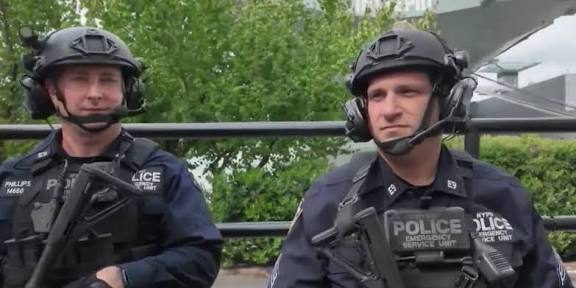
This holiday season, we ask you to remain vigilant. Although we are not aware of any specific, credible threats at this time, a recent attack. Today we will discuss about FBI High Threat Alert Issued Ahead of Holiday Season
FBI High Threat Alert Issued Ahead of Holiday Season
As the holiday season approaches, the Federal Bureau of Investigation (FBI), in concert with the Department of Homeland Security (DHS) and the National Counterterrorism Center (NCTC), has issued a heightened threat advisory. Authorities warn of a likely increase in violence by lone actors, especially during large public gatherings, faith-based events, and major holiday celebrations. The alert, while not tied to a specific, credible threat, underscores a decades-old concern: that soft targets during high-traffic seasons are uniquely vulnerable.
The Basis of the Warning
A joint intelligence bulletin recently circulated among law enforcement agencies signals concern over what is described as a ”likely heightened” threat of violence during the winter holiday period. According to the bulletin, extremist rhetoric tied to ongoing international conflicts — particularly involving Israel and Hamas — could inspire copycat attacks or retaliatory violence on U.S. soil.
Crucially, officials note that lone offenders present a significant risk. These individuals, motivated by ideological, religious, or political causes, may carry out attacks without direct command from established organizations. The bulletin warns that such actors are likely to rely on simple weapons — firearms, knives, or vehicles — and could also leverage hoax threats like fake bombs or active shooter alerts to create chaos.
While there are no known, imminent plots disclosed publicly, authorities emphasize that calls for violence could intensify with worsening geopolitical tensions or high-profile incidents domestically.
Why Holidays Are a Concern
Holiday periods present a particularly attractive window for threat actors. Several factors make these times more perilous:
Large, Crowded Gatherings
Events like New Year’s Eve celebrations, religious services, and holiday markets draw big crowds. These soft targets are less fortified than high-security facilities and offer maximum impact for individuals looking to sow fear.Lowered Guard
During holidays, both public vigilance and security presence may dip. People tend to be more relaxed, and law enforcement resources may focus on traffic and crowd control rather than counterterrorism.Psychological Effects
For some individuals motivated by extremist ideologies, symbolic dates carry weight. Violent actors might view the holiday season as an opportunity for symbolic acts or retaliation, especially in the context of international conflict.Historical Precedent
This is not a new concern. In previous years, federal agencies have issued similar warnings. The DHS and FBI have released public service announcements urging people to “see something, say something” during the holiday season. Moreover, historical intelligence bulletins have pointed to the holiday season as a time when extremists may exploit large gatherings.
Cyber Threats: Not Just Physical Violence
The FBI’s high-alert message isn’t limited to physical attacks. In collaboration with the Cybersecurity and Infrastructure Security Agency (CISA), it also highlights the risk of cyberattacks, particularly around holidays when many organizations are less staffed.
Their joint advisory cites an increase in ransomware attacks occurring during holidays and weekends — times when businesses may be less prepared, making them more attractive to threat actors. The advisory underscores that malicious cyber actors don’t “take a holiday,” and urges organizations to take proactive steps to protect their networks.
Some recommended cyber hygiene practices include:
Implementing multi-factor authentication for remote access and administrative accounts.
Mandating strong, unique passwords and avoiding reuse across accounts.
Securing and monitoring remote desktop protocol (RDP) and other risky services.
Educating staff about phishing risks and suspicious links.
Ensuring incident response plans account for weekends and holiday staffing.
These measures, while simple, can provide a strong defensive posture in a time when many organizations may otherwise be less vigilant.
Travel Safety: Airports & Flights Under Scrutiny
The FBI has also issued specific guidance for travelers. For example, the FBI’s Philadelphia Field Office recently reminded holiday passengers to remain alert at airports and on flights. The bureau highlighted common in-flight crimes — sexual misconduct, assault, interference with flight crew — and called on travelers to report any suspicious behavior to flight crew, airport police, or the FBI.
Such advice underscores that even as travelers focus on festivities, risk remains very real. Vigilance can help prevent small incidents from escalating into more serious security threats.
Lone-Offender Threat: What Makes It Especially Worrisome
Lone offenders are an especially difficult threat to counter. Unlike organized terror cells, they may act spontaneously, with little preparatory signature. The recent intelligence bulletin highlights some key dimensions of this risk:
These individuals might be influenced by foreign conflicts or extremist media, but operate independently on U.S. soil.
They are likely to use low-tech weapons, making detection harder.
Some attacks may not be “violent” in the traditional sense. Hoax threats — fake bombs, false active shooter warnings — could be used to cause disruption.
Escalation in foreign conflict could spur retaliatory or copycat actions in the U.S.
These indicators mean that law enforcement, security agencies, and the public must remain especially alert. Traditional surveillance methods may not be enough; understanding the motivations, pathways to radicalization, and warning signs of lone actors is critical.
The Role of Public Awareness
One of the most powerful tools in combating this kind of threat is public vigilance. The FBI and DHS have long relied on community reporting mechanisms. The well-known “If You See Something, Say Something” slogan is central here.
The public is urged to:
Report suspicious behavior: This includes individuals loitering near public holiday events, carrying unusual items, or acting nervously.
Note suspicious communications: Messages (online or offline) that call for violence, promote extremist ideologies, or make veiled threats should be taken seriously.
Share safety concerns: If you see something that makes you uncomfortable, report it. Even unverified reports can be valuable.
Law enforcement often emphasizes that even a small piece of information, reported early, can help prevent an attack. Community vigilance is especially important during the holiday season, when large gatherings provide more potential targets.
Law Enforcement Preparations
In response to the elevated advisory, agencies are bolstering their readiness:
Increased Intelligence Sharing
Federal, state, and local law enforcement are coordinating more closely. Bulletins — like the one warning of holiday season threats — are being disseminated to first responders to ensure they understand possible threat vectors and can prepare accordingly.Event Security
Major holiday events and public gatherings are likely to see enhanced security measures. This includes deployment of more officers, setting up of screening checkpoints, and collaboration with private security for venues.Emergency Plans
Authorities are refining response plans for active shooter incidents, hoax bomb threats, and mass casualty events. Coordination between law enforcement, EMS, and event organizers is crucial.Cyber Readiness
CISA and FBI are urging organizations — especially critical infrastructure operators — to identify IT staff who will be available during holidays, run tabletop exercises, and review backup and recovery plans.
Broader Context: Global Tensions and Domestic Risk
The current threat landscape must be understood in light of broader geopolitical dynamics. The intelligence bulletin points particularly to ongoing turmoil in the Middle East, notably the conflict involving Israel and Hamas.
This conflict has already fueled extremist narratives. According to the bulletin, these narratives could inspire violence through:
Retaliation: Individuals in the U.S. sympathetic to either side may act out violently.
Radicalization: Propaganda surrounding the conflict may drive vulnerable individuals toward ideological extremism.
Copycat Attacks: High-profile incidents abroad or within the U.S. might trigger imitation attacks, especially from lone actors.
Even in the absence of a specific, credible plot, these underlying tensions create a volatile threat environment — one that is amplified during symbolic or high-visibility moments, such as the holiday season.
Why It Matters for Ordinary Citizens
For average Americans, this high-threat alert may raise anxiety, but it’s also a reminder that preparedness and common sense matter. Here’s what citizens can do to stay safer:
Stay informed: Keep an eye on local news and official announcements from the FBI or DHS.
Be vigilant in public: Report anything unusual — abandoned bags, suspicious behavior, or threatening messages.
Practice cyber hygiene: When shopping online or using public WiFi, take precautions. Use secure websites, avoid clicking unverified links, and never bypass security protocols.
Plan travel carefully: If traveling by air, be aware of your surroundings, and report anything suspicious to airline or airport staff.
Build community awareness: Encourage friends and family to adopt a “see something, say something” mindset.
Challenges & Criticisms
While the alert is prudent, there are valid criticisms and challenges:
Fear vs. Reality
There is a risk that such alerts can cause public panic. Without a specific, credible threat, some may question whether the warning is necessary or overstated.Resource Allocation
Heightened security during holidays diverts resources. Balancing counterterrorism needs with routine policing can stretch local agencies.Privacy Concerns
Increased surveillance and intelligence-sharing raise important questions about civil liberties. Ensuring that threat monitoring does not infringe on individual rights is a key tension.Effectiveness of Warnings
While advisories and bulletins are useful, their preventive power depends greatly on public participation and law enforcement capacity. If people don’t report, or if local agencies are under-resourced, the risk remains.
Looking Ahead: What Might Change
Given the alert, several trends could emerge:
Stronger Interagency Coordination: We may see deeper collaboration between the FBI, DHS, and local law enforcement, especially around major cities and large event venues.
Increased Cyber Defenses for Critical Infrastructure: Entities vital to national security (power grids, hospitals, transport) are likely to reinforce their cyber posture ahead of and during the holidays.
Public Education Campaigns: The government could roll out renewed awareness drives, encouraging citizens to report suspicious behavior and take cybersecurity seriously.
Event Security to Scale Up: Organizers of public gatherings (concerts, religious services, markets) might increase their security protocols. This could include bag checks, metal detectors, CCTV deployment, and collaboration with law enforcement.
Conclusion
The FBI’s high-threat alert ahead of the holiday season serves as a stark reminder of the complex risk landscape that modern America faces. While the advisory does not point to a specific, imminent attack, the combination of international conflict, motivated lone actors, and the vulnerabilities inherent to the holiday season creates a heightened risk environment.
From cyber threats like ransomware to the potential for physical violence at crowded events, the spectrum of danger is broad. Yet, authorities are not simply sounding the alarm — they are also providing actionable guidance to organizations, law enforcement, and the general public.
Ultimately, public vigilance, interagency coordination, and responsible cyber hygiene will play a critical role in mitigating risk. As families gather, shop, travel, and celebrate, the message is clear: enjoy the season, but stay alert. If you see something — anything that seems off — say something. Your awareness could make all the difference.
How useful was this post?
Click on a star to rate it!
Average rating 0 / 5. Vote count: 0
No votes so far! Be the first to rate this post.
About the Author

usa5911.com
Administrator
Hi, I’m Gurdeep Singh, a professional content writer from India with over 3 years of experience in the field. I specialize in covering U.S. politics, delivering timely and engaging content tailored specifically for an American audience. Along with my dedicated team, we track and report on all the latest political trends, news, and in-depth analysis shaping the United States today. Our goal is to provide clear, factual, and compelling content that keeps readers informed and engaged with the ever-changing political landscape.