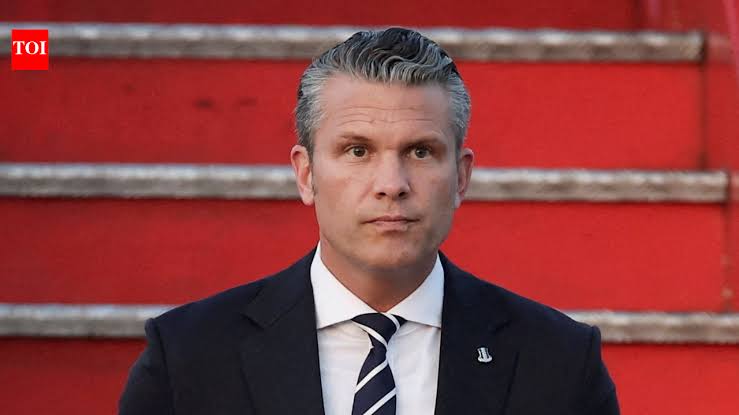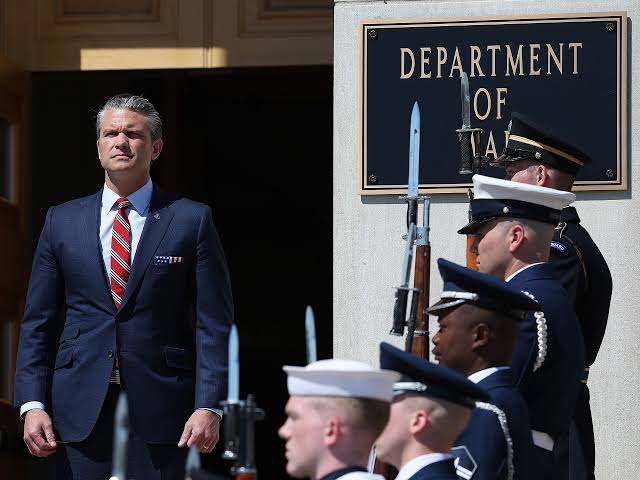
Defense Secretary Pete Hegseth is facing renewed criticism after his former chief of staff, Joe Kasper, publicly called for him to resign. The criticism has intensified questions about leadership at the Pentagon, military decision-making, and accountability within the Trump administration.
Kasper, who worked closely with Hegseth during the early months of President Donald Trump’s second administration, questioned whether the defense secretary remains capable of effectively managing the Department of Defense. He raised concerns about Hegseth’s handling of the Iran war, his treatment of senior military officials, and his relationship with lawmakers in Washington.
In an interview with POLITICO published on November 23, Kasper argued that Hegseth’s leadership approach had damaged his effectiveness. He suggested that the defense secretary’s personal conduct and management decisions had created serious challenges for the institution.
His comments are particularly significant because they come from someone who previously worked inside Hegseth’s leadership team. Rather than criticism from an ordinary political opponent, Kasper’s remarks reflect the perspective of a former senior aide who had direct experience working within the Pentagon.
However, the Pentagon has strongly rejected his criticism. A senior department official described Kasper as a disgruntled former staff member and defended Hegseth’s leadership.
The dispute has therefore developed into a broader debate about military leadership, institutional stability, and the responsibilities of America’s top defense official.
The Independent+2
Who Is Joe Kasper, and Why Are His Comments Important?
Joe Kasper previously served as Pete Hegseth’s chief of staff during the first three months of the Trump administration’s second term.
The position gave him access to senior Pentagon officials, internal management discussions, and the daily responsibilities associated with the defense secretary’s office.
A chief of staff plays an important role in coordinating departmental priorities. The position also involves managing communication, organizing senior-level meetings, and helping ensure that leadership decisions move through the organization.
Kasper’s previous position makes his criticism particularly noteworthy. He is familiar with the responsibilities of the defense secretary and the challenges involved in managing a department responsible for national security.
Kasper’s criticism was not limited to one disagreement or policy decision. Instead, he raised concerns about Hegseth’s overall leadership style and its consequences for the Pentagon.
He argued that the defense secretary had become too focused on personal image, confrontation, and political positioning.
Kasper also questioned whether Hegseth could maintain productive relationships with Congress and senior military officials.
His central argument was that the department needs leadership focused on institutional responsibility rather than personal visibility.
Nevertheless, his statements represent his assessment and should not automatically be treated as established findings of misconduct. The Pentagon has disputed his characterization.
Joe Kasper Says Pete Hegseth Should Resign
Kasper delivered a direct message about Hegseth’s future at the Pentagon.
He argued that the defense secretary’s ability to perform his responsibilities had become increasingly restricted.
In his interview, Kasper said:
“For that reason and others it’s time for Pete to call it quits.”
The former chief of staff also warned that Hegseth’s effectiveness could deteriorate further if the current leadership approach continued.
Kasper described Hegseth’s stewardship of the department as belligerent. He also criticized what he viewed as excessive attention to ego, attitude, and entitlement.
These comments quickly attracted attention because they came from a former member of the defense secretary’s immediate leadership circle.
The criticism also arrives during a difficult period for the Pentagon. The department faces questions about the ongoing conflict with Iran, senior military personnel changes, congressional oversight, and the future of American defense policy.
Kasper’s remarks have consequently added another layer of pressure to an already complicated political situation.
However, calling for a resignation does not mean that a resignation is imminent. Hegseth continues to hold his position, and President Trump has publicly supported him.
The distinction is important because political criticism, even when it comes from former senior officials, does not automatically produce a leadership change.
AOL+2
Iran War Handling Becomes a Major Point of Controversy
One of Kasper’s strongest criticisms concerns Hegseth’s handling of the war with Iran.
The conflict has become a major challenge for the Trump administration, raising questions about military objectives, operational costs, regional security, and the long-term consequences of American involvement.
As defense secretary, Hegseth has played a prominent role in communicating the administration’s military strategy and defending its decisions.
Kasper, however, questioned the effectiveness of that approach. He argued that the secretary’s handling of the conflict had contributed to the wider problems surrounding his leadership.
The criticism also reflects growing concerns about whether the administration has clearly communicated its objectives and whether military operations have produced the results initially promised.
Questions About America’s Military Objectives
Military campaigns require clear objectives, realistic assessments, and consistent communication between civilian leaders and military commanders.
When those elements become uncertain, questions can emerge about the direction of the operation.
Critics have questioned whether the administration has adequately explained the expected duration of the Iran conflict and the conditions necessary to achieve its objectives.
They have also raised concerns about the military resources required to sustain prolonged operations.
The Washington Post previously reported that the conflict had created significant financial and weapons-related pressures for the Pentagon.
According to the report, U.S. Central Command estimated that the conflict had cost more than $47 billion through mid-October 2026. The figure included substantial spending on military ammunition and other resources.
These developments have increased scrutiny of the administration’s military planning.
However, responsibility for wartime decisions extends beyond one individual. The president, military commanders, intelligence officials, and other national security leaders all have important roles in shaping military policy.
Therefore, evaluating Hegseth’s performance requires examining the broader decision-making structure rather than relying exclusively on criticism from one former aide.
The Washington Post+1
Military Costs and Long-Term Readiness
Another important question concerns the effect of the Iran conflict on American military readiness.
Modern military operations consume expensive resources, including precision-guided weapons, aircraft maintenance supplies, naval equipment, and intelligence capabilities.
Replacing these resources can take considerable time.
A prolonged conflict can also affect America’s ability to respond to other international emergencies.
For this reason, military planners must balance immediate operational requirements against long-term defense priorities.
Kasper’s criticism has brought these issues back into the discussion surrounding Hegseth’s leadership.
The central question is whether the Pentagon has a sustainable strategy that protects American interests while maintaining sufficient military strength for future challenges.
This question is particularly important as the United States continues to manage security commitments across several regions.
Senior Military Firings Raise Questions About Pentagon Stability
Kasper also criticized Hegseth’s decisions involving senior military officials.
The former chief of staff questioned the removal of experienced leaders and the effect these decisions may have had on the department’s institutional stability.
Leadership changes are not unusual in the military. Defense secretaries and presidents have the authority to make personnel decisions within the established legal framework.
However, frequent departures from senior positions can create operational and administrative difficulties.
Military institutions depend on experienced commanders, established reporting structures, and continuity in strategic planning.
When several senior positions become vacant, remaining officials may face additional responsibilities.
Concerns About Senior Leadership Vacancies
Kasper argued that the departures of senior officials had weakened the Pentagon’s leadership structure.
He specifically expressed concern about vacancies across important military positions.
His comments included criticism of the departures involving Army Secretary Dan Driscoll, Army Chief of Staff General Randy George, and General Christopher T. Donahue.
These personnel changes have attracted attention because senior military appointments influence operational planning, readiness, and the implementation of national defense priorities.
Kasper suggested that the Army was effectively without sufficient leadership at important levels.
Nevertheless, his assessment should be understood as an opinion rather than an independently established conclusion about the Army’s operational condition.
The Pentagon has not accepted his broader characterization.
Why Military Leadership Continuity Matters
Military leadership continuity is important for several reasons.
First, senior commanders provide institutional knowledge. They understand operational requirements, historical decisions, and the capabilities of their forces.
Second, experienced leaders help coordinate complicated military operations.
Third, stable leadership structures make it easier to implement long-term strategies.
Replacing senior officers can be necessary when leadership changes are justified. However, frequent personnel turnover can create uncertainty.
It can also affect morale among military personnel who need clear direction from their commanders.
For this reason, the debate surrounding Hegseth’s personnel decisions extends beyond political disagreements. It raises questions about how the Pentagon balances leadership reform with institutional stability.
Pentagon Official Rejects Joe Kasper’s Allegations
The criticism from Kasper has not gone unanswered.
A senior Pentagon official strongly rejected his statements in comments reported by POLITICO.
The official described Kasper as a disgruntled former staff member who was attempting to spread inaccurate information.
The response also defended Hegseth’s priorities, arguing that the defense secretary remains focused on strengthening military capabilities and supporting American service members.
This response highlights the disagreement between the former aide and the department’s current leadership.
Kasper believes Hegseth’s approach has damaged the Pentagon’s effectiveness. The department, meanwhile, maintains that the secretary is concentrating on military readiness and the needs of American forces.
Neither side has presented the dispute as a neutral assessment of the department’s overall performance.
The disagreement also illustrates a common challenge in Washington: former officials may offer sharply different accounts of an administration after leaving government service.
Their experiences can provide valuable insight. However, their claims should be examined alongside official statements, documented decisions, and independent reporting.
The Pentagon’s response therefore remains an important part of the developing story.
The New Republic+1
Pentagon Leadership and the Importance of Congressional Relationships
Another major issue raised by Kasper concerns Hegseth’s relationship with Congress.
The defense secretary needs congressional cooperation to advance important priorities, including military funding, weapons procurement, personnel requirements, and defense legislation.
Although the Pentagon operates under the executive branch, Congress plays a central role in national defense.
Lawmakers approve defense spending, conduct oversight hearings, investigate government activities, and review major policy decisions.
Consequently, disagreements between the Pentagon and Congress can create practical difficulties.
Why Congressional Support Matters
The defense budget is one of the most important responsibilities involving the Pentagon and Congress.
Military modernization requires significant financial commitments. These include investments in aircraft, naval vessels, missile defense systems, cybersecurity, and military infrastructure.
The Trump administration has promoted a proposed $1.5 trillion defense spending package.
However, securing support for major spending plans can become more difficult when lawmakers have concerns about the department’s leadership.
Kasper argued that Hegseth’s confrontational approach had damaged relationships with members of Congress.
His concern was that strained relationships could make it harder for the secretary to secure cooperation on important defense priorities.
This is not simply a political problem.
If the Pentagon struggles to obtain congressional support, important military programs could face delays or difficult negotiations.
Democrats Prepare for Greater Oversight
The political environment surrounding Hegseth has also changed following the 2026 midterm elections.
Democrats secured control of Congress, creating the possibility of stronger oversight of the Trump administration’s defense policies.
According to reporting by The Washington Post, Democratic lawmakers are preparing to examine several controversial Pentagon decisions.
These include the Iran conflict, the removal of senior military leaders, and military operations involving suspected drug-trafficking vessels.
The change in congressional control could create additional pressure on Hegseth.
Lawmakers may seek testimony from Pentagon officials, request internal documents, and examine the legal and operational basis for major military decisions.
This does not mean that every investigation will establish wrongdoing. Congressional oversight is intended to examine government decisions and determine whether they comply with legal requirements and congressional expectations.
Nevertheless, the possibility of sustained investigations adds another challenge to Hegseth’s position.
The Washington Post+1
Earlier Pentagon Controversies Return to the Spotlight
Kasper’s criticism also revived questions about earlier controversies involving Hegseth’s management of the department.
One issue concerns the investigation into suspected leaks of sensitive information.
In April 2025, several Pentagon officials, including Dan Caldwell, Darin Selnick, and Colin Carroll, were removed from their positions during an investigation into possible unauthorized disclosures.
The officials denied sharing sensitive information without authorization.
Kasper later questioned the justification for their removal. He indicated that he no longer believed there was sufficient evidence to support the allegations against them.
This criticism is important because the handling of sensitive information is a serious responsibility within the Defense Department.
Government agencies must protect classified material while ensuring that investigations are conducted fairly.
Balancing National Security and Accountability
Leak investigations can be complicated.
Unauthorized disclosures may expose military operations, intelligence sources, or sensitive national security information.
However, investigations must also follow appropriate procedures and rely on credible evidence.
If officials are removed without sufficient justification, questions can emerge about fairness and internal accountability.
On the other hand, the absence of publicly available evidence does not necessarily establish that an investigation was improper.
The department must protect sensitive information, which can limit what officials can publicly disclose.
For that reason, the controversy requires careful examination of the available documentation and official findings.
Kasper’s comments have added pressure for greater transparency about the decisions made during Hegseth’s leadership.
Concerns About Military Morale and Institutional Culture
Leadership at the Pentagon affects more than administrative decisions.
It can also influence the working environment experienced by thousands of military personnel and civilian employees.
Kasper argued that Hegseth’s leadership style placed too much emphasis on showmanship and personal image.
He suggested that the traditional military values of humility and service had received insufficient attention.
These comments raise an important question about the culture of military leadership.
Service Before Self
Military institutions traditionally emphasize discipline, responsibility, teamwork, and service.
Senior officials are expected to place the mission and the institution above personal recognition.
This expectation is particularly important at the Pentagon, where decisions can affect the safety of service members and the security of the country.
Criticism of a defense secretary’s public conduct can therefore become a broader discussion about leadership standards.
Supporters of Hegseth may argue that his direct communication style represents a necessary change in Pentagon culture.
Critics, however, may view the same approach as unnecessarily confrontational.
The difference reflects competing ideas about how senior defense officials should exercise authority.
The Importance of Trust
Trust is essential between civilian leadership and military commanders.
Military officers must be able to provide professional advice, including warnings about operational risks.
Civilian leaders, in turn, must make decisions while considering military expertise and national policy objectives.
If senior officials believe that disagreement could damage their careers, open communication may become more difficult.
However, the existence of leadership disagreements does not automatically mean that the military chain of command has stopped functioning.
The important issue is whether the Pentagon maintains professional decision-making procedures and encourages honest assessments of military risks.
Kasper’s criticism has brought these questions into the public debate.
Donald Trump Continues to Support Pete Hegseth
Despite the criticism, President Donald Trump has continued to publicly defend his defense secretary.
Trump previously dismissed speculation that he was preparing to replace Hegseth.
In comments reported by ABC News on November 4, Trump described Hegseth as doing a great job.
The president’s support is politically significant because the defense secretary serves at the president’s discretion.
Without a decision from Trump to remove him, Hegseth can remain in office despite criticism from former officials and political opponents.
Trump’s Support Faces New Political Challenges
However, the political situation has become more complicated following the midterm elections.
Democratic control of Congress could lead to greater scrutiny of the Pentagon.
It could also make it more difficult for the administration to advance major defense priorities without negotiating with lawmakers.
The administration must now balance its support for Hegseth against growing questions about the Iran war and the department’s management.
For the moment, there is no confirmed announcement that Trump intends to remove Hegseth.
The president’s public position suggests that he remains willing to defend his defense secretary despite the controversy.
ABC News+1
Could Pete Hegseth Face Another Impeachment Challenge?
Hegseth has also faced pressure through congressional impeachment efforts.
An impeachment attempt against him was unsuccessful earlier in November 2026.
However, the political debate surrounding his leadership has not ended.
Some lawmakers have indicated that they intend to continue examining his decisions, particularly those involving the Iran conflict and the use of American military resources.
The change in congressional control could also provide Democrats with greater opportunities to conduct investigations.
It is important to distinguish between impeachment discussions and an actual removal from office.
Impeachment requires constitutional procedures and congressional action. Even if the House approves articles of impeachment, conviction and removal would require a two-thirds vote in the Senate.
Therefore, another impeachment effort would not automatically result in Hegseth losing his position.
Nevertheless, continued congressional pressure could complicate his ability to lead the Pentagon.
What Pete Hegseth’s Leadership Dispute Means for American National Security
The controversy involving Kasper and Hegseth has consequences beyond Washington politics.
The Pentagon is responsible for managing America’s military capabilities, supporting service members, coordinating defense operations, and responding to international security threats.
Leadership disputes can become particularly serious when the United States is involved in a major military conflict.
Several issues deserve attention.
First, military readiness: The Pentagon must ensure that American forces have sufficient equipment, ammunition, personnel, and logistical support.
Second, strategic planning: Military operations require clearly defined objectives and realistic assessments of potential risks.
Third, congressional cooperation: The department needs constructive relationships with lawmakers to secure funding and maintain oversight.
Fourth, institutional stability: Senior military positions must have qualified leaders who can maintain continuity in planning and operations.
Finally, public accountability: American citizens and their elected representatives have a legitimate interest in understanding how major military decisions are made.
These responsibilities explain why Kasper’s criticism has attracted attention.
The disagreement is not simply about whether one former aide likes his former boss. It concerns the performance of an institution with enormous national security responsibilities.
What Happens Next for Pete Hegseth?
The future of Hegseth’s leadership remains uncertain.
Kasper’s resignation demand has added another public challenge to the defense secretary’s position.
However, several factors will determine whether the controversy produces meaningful political consequences.
President Trump’s continued support remains important. Congressional investigations could also influence the debate, particularly if lawmakers uncover new information about military planning or personnel decisions.
The ongoing Iran conflict will remain another major factor.
If military operations continue to create significant financial, operational, or political challenges, pressure on the Pentagon’s leadership could increase.
Hegseth will also need to maintain confidence among senior military officials and demonstrate that the department can carry out its responsibilities effectively.
For now, the Pentagon has rejected Kasper’s allegations, while the former chief of staff continues to question the secretary’s ability to lead.
The disagreement leaves an important question for the Trump administration: Can Hegseth restore confidence in his leadership while managing the Pentagon’s military and political challenges?
The answer will depend on future decisions, congressional oversight, and the administration’s ability to demonstrate progress on its defense priorities.
Conclusion
Joe Kasper’s call for Pete Hegseth to resign has intensified an already significant debate about Pentagon leadership and military accountability.
His criticism focuses on the Iran war, senior military personnel changes, congressional relationships, and what he describes as an excessive emphasis on personal image.
The Pentagon has rejected his claims and defended Hegseth’s priorities.
Meanwhile, President Trump continues to support the defense secretary despite growing political scrutiny.
With Democrats preparing for greater congressional oversight, Hegseth could face additional questions about his leadership and military policies.
Ultimately, the controversy highlights the importance of strong leadership, institutional stability, and accountability at America’s highest defense levels.
Whether the criticism leads to a resignation or further political confrontation remains to be seen.
Frequently Asked Questions (FAQs)
1. Who called for Pete Hegseth’s resignation?
Joe Kasper, Pete Hegseth’s former chief of staff, called for the defense secretary to resign. He raised concerns about Hegseth’s leadership, management decisions, and handling of the Iran war.
2. Why does Joe Kasper want Pete Hegseth to resign?
Kasper believes Hegseth’s leadership approach has damaged his effectiveness. He criticized his handling of the Iran conflict, removal of senior military officials, and strained relationships with Congress.
3. Who is Joe Kasper?
Joe Kasper is a former chief of staff to Defense Secretary Pete Hegseth. He served during the first three months of the Trump administration’s second term in 2025.
4. What did Joe Kasper say about Hegseth’s leadership?
Kasper described Hegseth’s leadership as overly focused on ego, attitude, entitlement, and public image. He argued that the defense secretary’s effectiveness had been seriously restricted.
5. Has the Pentagon responded to Joe Kasper’s criticism?
Yes. A senior Pentagon official rejected Kasper’s allegations, describing him as a disgruntled former staff member. The official defended Hegseth’s focus on military readiness and supporting American service members.
6. How is the Iran war connected to the controversy?
Kasper criticized Hegseth’s handling of the Iran war. The conflict has also raised questions about military strategy, operational costs, weapons supplies, and the administration’s long-term objectives.
7. Does Donald Trump support Pete Hegseth?
Yes. Trump has publicly defended Hegseth and previously described his performance positively. There has been no confirmed announcement that Trump intends to replace him.
8. Could Congress investigate Pete Hegseth?
Yes. Democrats gained control of Congress in the 2026 midterm elections and have indicated that they intend to increase oversight of Pentagon decisions, including military operations and senior personnel changes.
9. Has Pete Hegseth been impeached?
Hegseth faced an impeachment effort earlier in November 2026, but it was unsuccessful. An impeachment attempt does not automatically result in removal from office.
10. Will Pete Hegseth resign as defense secretary?
There is no confirmed announcement that Hegseth plans to resign. Kasper has demanded his departure, but Hegseth remains in office and continues to receive Trump’s public support.
About the Author