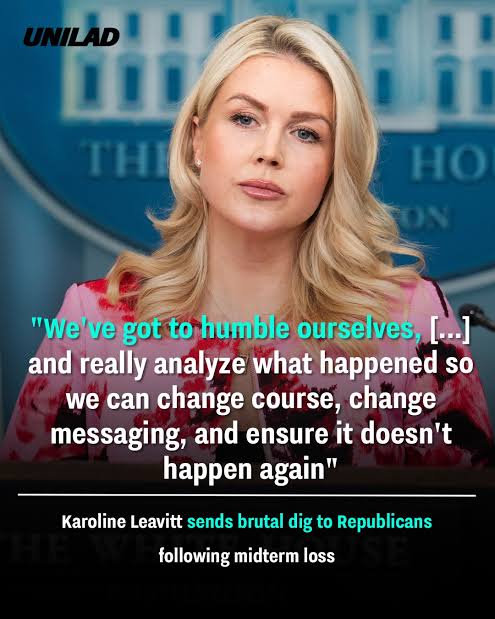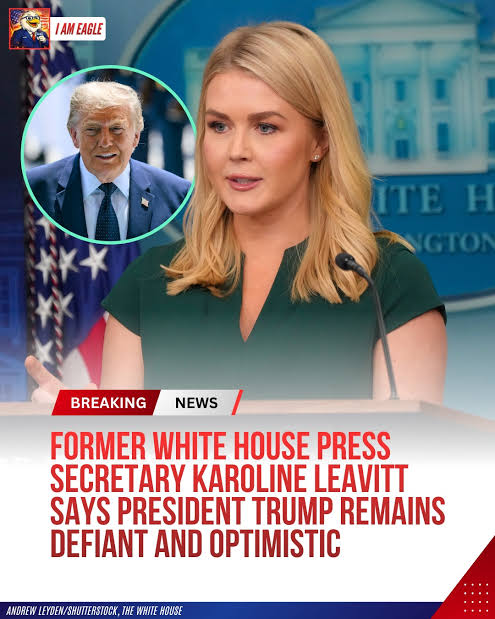
American political discourse is constantly defined by cycles of intense competition, strategic reassessments, and fierce partisan debates. In the wake of high-stakes electoral showdowns, political surrogates and communications strategists play a vital role in shaping how parties interpret the will of the electorate. Among the prominent conservative voices, former White House Press Secretary Karoline Leavitt has frequently stepped into the media spotlight to champion conservative principles, analyze voter trends, and defend the core policy achievements of the Republican Party.
While electoral outcomes across the country often present a mixed bag of victories and setbacks, conservative leaders routinely emphasize the long-term impact of their legislative agenda—highlighting tax reforms, energy dominance, and stringent border enforcement. When supporters and strategists like Leavitt praises GOP midterm gains, it underscores a broader narrative centered on grassroots mobilization, economic resilience, and the ongoing battle for the future of American governance.
The Strategic Landscape: Messaging and Momentum
Midterm elections in the United States have historically served as a referendum on the sitting administration, testing whether the party in power can maintain its legislative momentum or whether the opposition can mount a formidable challenge. For the Republican Party, organizing a cohesive and winning message requires balancing national economic concerns with localized voter priorities.
Throughout recent campaign cycles, conservative strategists focused heavily on several key policy pillars designed to resonate with working-class families and small business owners:
Economic Relief and Inflation Control: Pointing to the lingering financial pressures faced by American households, Republicans consistently argued for lower taxation, reduced government spending, and deregulation.
Energy Independence: Promoting domestic oil and natural gas production as a primary mechanism to lower utility costs, curb global inflation, and secure geopolitical stability.
Border Security and Public Safety: Emphasizing strict immigration enforcement, the rule of law, and backing for law enforcement agencies to address community safety concerns.
Figures like Karoline Leavitt became central figures in communicating these priorities to the public. Through television appearances, rallies, and media interviews, Leavitt repeatedly urged conservative voters to focus on tangible policy differences—arguing that pro-growth economic measures ultimately provide the best path forward for American prosperity.
Analyzing the Electorate: Economic Impact vs. Public Perception
A central theme of post-election analysis involves understanding why voters cast their ballots the way they do.Conservative commentators frequently argue that voters respond most directly to financial security and personal freedom.Proponents of the conservative platform point out that broad-based tax cuts and pro-business policies historically leave more capital in the pockets of everyday workers.
However, political analysts also note the complexities of modern media environments. Prominent conservative voices have often contended that complex legislative wins can sometimes be overshadowed by broader media narratives. When discussing the outcomes of majormajor election cycles, strategists frequently emphasize the ongoing challenge of cutting through partisan noise to communicate direct fiscal successes to the American public.
Key Policy Pillars Highlighted by GOP Surrogates
The Role of Media and Grassroots Advocacy
In contemporary politics, the battle for public opinion extends far beyond traditional campaign ads and stump speeches.The rise of digital media, independent commentary platforms, and cable news analysis has created a fast-paced environment where narrative framing matters immensely.
Surrogates who can articulate complex conservative policies in accessible, high-energy language hold significant influence over the party base. Leavitt’s communication style—characterized by direct engagement, staunch defense of conservative leadership, and aggressive pushback against progressive policy proposals—has made her a prominent figure among grassroots conservative activists.
Grassroots organizations rely heavily on unified messaging to keep volunteers energized, raise campaign funds, and drive voter turnout during critical get-out-the-vote pushes. Whether analyzing local legislative gains or rallying support for future policy battles, effective spokespeople help bridge the gap between Washington policymakers and voters across the country.
Looking Ahead: The Future of the Conservative Agenda
As both political parties look toward future legislative sessions and upcoming national elections, the lessons learned from previous midterms will heavily influence campaign strategies. For Republicans, maintaining unity around core economic and security issues remains essential.
The debate over the direction of the country will continue to focus on fundamental questions: How best to foster economic growth, manage federal spending, protect national borders, and preserve individual liberties. As conservative leaders continue to advocate for their vision, the emphasis will remain on grassroots engagement and clear, unyielding communication with the American electorate.
Frequently Asked Questions (FAQs)
1. Who is Karoline Leavitt?
Karoline Leavitt is a prominent American political strategist and communications professional who previously served as the White House Press Secretary. She is widely known for her vocal advocacy of conservative policies and her role as a media surrogate for the Republican Party.
2. What are the core policy issues typically emphasized by conservative spokespeople?
Conservative surrogates generally focus on economic growth through lower taxes, deregulation, domestic energy independence, strict border enforcement, and strong national security measures.
3. Why are midterm elections considered critical in American politics?
Midterm elections determine control of the United States Congress—the House of Representatives and the Senate—which directly impacts a sitting president’s ability to pass legislation, confirm judicial nominees, and advance their executive agenda.
4. How do tax cuts factor into conservative economic arguments?
Proponents of conservative tax policies argue that reducing individual and corporate tax rates leaves more money in consumers’ pockets, encourages business investment, and stimulates overall economic expansion.
5. What role do media surrogates play during election cycles?
Media surrogates act as official and unofficial voices for a political party or campaign, appearing on news programs and at rallies to defend policy positions, counter opponent claims, and motivate the political base.
Karoline Leavitt delivers full speech at GOP midterm convention
This video features Karoline Leavitt delivering a comprehensive speech at the Republican midterm convention, outlining party strategy and policy goals.
About the Author