The West Philadelphia police shooting has left one veteran officer dead and another injured after officers responding to a report of an armed man came under heavy gunfire. Authorities have charged a suspect as the investigation continues.
A deadly shooting in West Philadelphia has renewed concerns about the dangers police officers face while responding to emergency calls. On Saturday, October 10, 2026, two Philadelphia police officers were shot while responding to a report of a man with a gun outside a residence.
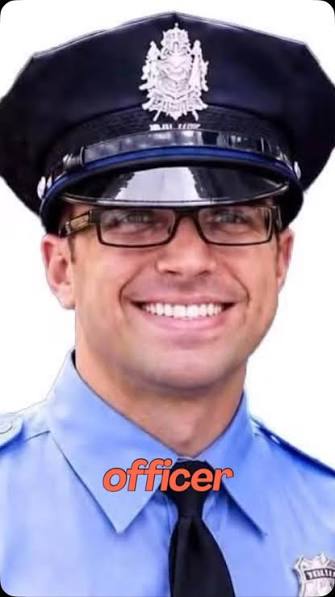
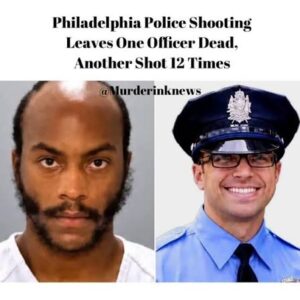
Officer Shane Seiber, 40, later died from his injuries. His colleague, a 33-year-old officer, was also shot and hospitalized. Authorities identified Eric Lewis, 35, as the suspect and announced multiple criminal charges.
According to police officials, the officers encountered intense gunfire as they approached the property on North 52nd Street. Additional officers responded to the scene, and authorities eventually took the suspect into custody.
The incident has shocked the Philadelphia community and prompted renewed calls to protect law enforcement personnel. It has also left Seiber’s family, colleagues, and fellow officers mourning a veteran who served the department for a decade.
This report examines what happened, who was involved, the condition of the surviving officer, the charges announced by prosecutors, and the wider impact of the West Philadelphia police shooting.
West Philadelphia Police Shooting: What Happened?
The shooting occurred in the early hours of Saturday, October 10, in the 100 block of North 52nd Street in West Philadelphia.
According to Philadelphia Police Commissioner Kevin Bethel, officers received a call shortly after midnight reporting a man with a gun on a porch. Police dispatch records placed the call at approximately 12:22 a.m.
Officers arrived later and approached the residence. As they moved toward the property, they encountered heavy gunfire, according to the police department’s account.
The gunfire struck two officers. Both were transported to Penn Presbyterian Medical Center, where medical teams treated their injuries.
The incident quickly developed into a major police response. Additional officers arrived, and a SWAT team became involved in efforts to secure the area and take the suspect into custody.
Authorities later reported that the suspect was found in a tree and arrested. Police also recovered multiple firearms connected to the incident.
The shooting remains a reminder of how quickly a routine response to a weapons complaint can turn into a life-threatening emergency.
According to reporting by CBS News Philadelphia and the Associated Press, investigators and prosecutors subsequently outlined the circumstances surrounding the attack and the charges against the suspect.
Officer Shane Seiber Dies After Being Shot
One of the most devastating developments was the death of Officer Shane Seiber.
Seiber, 40, was a 10-year veteran of the Philadelphia Police Department. He served in the department’s 19th District and was shot three times during the incident, according to police officials.
Medical personnel transported him to Penn Presbyterian Medical Center. Despite emergency treatment, he died from his injuries later that morning.
Police Commissioner Kevin Bethel announced the death during an emotional news conference. He said Seiber fought valiantly but ultimately succumbed to his injuries.
The officer’s death has deeply affected his colleagues and the wider Philadelphia community.
Seiber was a husband and father of two young children, a son aged seven and a daughter aged three. His death has left his family facing an unimaginable loss.
Officials and fellow officers have expressed condolences to his loved ones while recognizing his service to the city.
Seiber’s 10 years in law enforcement represented a decade of public service. His death also highlights the personal risks officers face when responding to calls involving potentially armed individuals.
The circumstances of his death have placed renewed attention on officer safety, emergency response procedures, and the need to investigate violent attacks thoroughly.
Second Officer Shot Multiple Times
The same incident left another Philadelphia police officer seriously injured.
The surviving officer, 33, had served with the department for nine years and was assigned to the 19th District. Authorities reported that he was shot 12 times during the attack.
He was transported to Penn Presbyterian Medical Center, where he underwent emergency treatment and surgery.
Police officials initially described his condition as stable but cautioned that his recovery remained uncertain. The department had not publicly released his name in the reports reviewed for this article.
The severity of his injuries underscores the seriousness of the incident. Although doctors were able to treat him, officials indicated that his condition required continued attention.
His family, colleagues, and fellow officers have been left waiting for further updates as he recovers.
The attack also forced other officers to respond to an active and dangerous scene. Prosecutors said the suspect allegedly fired at nine additional officers who arrived during the incident. Those officers were not struck by gunfire, according to authorities.
The surviving officer’s recovery remains an important part of the story, alongside the investigation into Seiber’s death.
Who Is the Suspect in the West Philadelphia Shooting?
Authorities identified the accused gunman as Eric Lewis, 35.
Philadelphia District Attorney Larry Krasner announced charges connected to the fatal shooting and the alleged attacks on other officers.
Lewis faces charges including homicide of a law enforcement officer, murder, attempted homicide of a law enforcement officer, attempted murder, aggravated assault, possession of an instrument of crime, and reckless endangerment. Prosecutors have also reported multiple counts connected to the alleged shooting.
These are allegations, and the charges must be resolved through the criminal justice process. The suspect is entitled to the legal protections that apply to criminal defendants.
CBS News Philadelphia reported that Lewis was taken into custody by a SWAT team following the incident. He was subsequently taken to a hospital for evaluation before being transferred to the homicide unit.
Prosecutors said he would be held without bail on the murder charge following his initial court proceedings.
The investigation includes the sequence of events leading up to the shooting, the weapons allegedly used, and the circumstances surrounding the officers’ arrival.
Authorities have also discussed aspects of the suspect’s prior criminal history. However, those records do not by themselves establish what motivated the shooting or explain every aspect of the incident.
Investigators must establish the relevant facts through evidence, witness accounts, and court proceedings.
How the Police Response Unfolded
The response began with a report of an armed man at a residence.
Officers were dispatched to investigate. However, the situation escalated when they approached the property and came under heavy gunfire.
Following the initial shooting, additional officers moved toward the scene to assist their injured colleagues and address the threat.
According to reporting by The Philadelphia Inquirer, the suspect allegedly took a weapon from one of the wounded officers after the initial shooting. Authorities said he subsequently fired at other responding officers.
The SWAT team later secured the area and located the suspect, who was taken into custody.
Police reported recovering three firearms from the scene: two handguns and a shotgun. One of the handguns had reportedly belonged to an officer who was shot.
These details are important to the investigation because they may help establish the sequence of events and determine how the firearms were used.
Investigators will also need to examine available physical evidence, witness statements, police communications, and other relevant material.
The full circumstances surrounding the incident must be established through the official investigation and court proceedings.
Authorities Condemn the Deadly Attack
Philadelphia officials expressed grief and anger following the shooting.
Police Commissioner Kevin Bethel described the incident as a devastating loss for the department. He also acknowledged the seriousness of the surviving officer’s injuries and the emotional toll on the officers involved.
District Attorney Larry Krasner condemned the violence and outlined the charges against Lewis. Prosecutors are pursuing the case through the criminal justice system.
Philadelphia Mayor Cherelle Parker also expressed concern over the incident and the risks faced by law enforcement officers.
Pennsylvania Governor Josh Shapiro ordered flags to be flown at half-staff in honor of Seiber, recognizing the officer’s death in the line of duty.
Such gestures are intended to honor fallen public servants and recognize the sacrifice made by their families.
The shooting has also prompted discussions about public safety, access to firearms, and the challenges faced by police officers responding to reports of armed individuals.
However, officials have not established a complete explanation for what led to the shooting. Questions about the suspect’s actions and the circumstances before police arrived remain matters for investigation.
Questions Remain About the Suspect’s Motive
Although authorities have outlined important details, several questions remain unanswered.
Investigators must determine what happened before officers reached the residence, why the situation escalated, and whether any additional evidence could clarify the suspect’s actions.
Officials have discussed Lewis’s previous encounters with the criminal justice system. Court records cited in news reports describe earlier convictions involving theft, firearms, and other offenses.
Nevertheless, a previous criminal record does not automatically establish a motive for a new alleged crime.
Authorities have also not publicly established a definitive explanation for the shooting in the reports reviewed for this article.
It is important to distinguish verified information from speculation. Until investigators release additional findings or evidence emerges during court proceedings, claims about the suspect’s intentions should be treated cautiously.
A complete understanding of the incident will depend on the evidence collected by law enforcement and the information presented in court.
Impact on the Philadelphia Community
The death of a police officer affects more than the department where the officer worked.
For Seiber’s family, the loss means facing life without a husband and father. His children are particularly young, and his death will have lasting consequences for the family.
For his colleagues, the incident represents the loss of a fellow officer who shared their responsibilities and risks. Police departments often rely on strong professional relationships, especially among officers who work in the same district.
The shooting has also raised concerns among residents of West Philadelphia. A serious incident involving multiple officers can disrupt a neighborhood, bring a large emergency response, and leave residents seeking answers.
Community members may have questions about whether the area is safe, how the incident developed, and what authorities are doing to prevent similar violence.
Clear communication from investigators is important during such events. Accurate information can help residents understand what happened without spreading rumors or unverified claims.
The case also highlights the importance of supporting the families of injured officers and those who die while serving the public.
Why Officer Safety Remains a Major Concern
Police officers routinely respond to situations in which the available information is incomplete.
A call reporting a person with a gun may involve an immediate threat, a misunderstanding, or circumstances that officers cannot fully assess before arriving.
This uncertainty makes emergency response particularly challenging.
The West Philadelphia shooting demonstrates the risks associated with approaching a potentially armed individual. It also shows how quickly a situation can escalate and require assistance from additional officers.
Police departments continually review procedures for responding to weapons complaints, coordinating backup, and protecting officers and civilians.
Training, communication, equipment, and careful threat assessment can all play roles in improving safety. However, no single measure can eliminate every danger associated with police work.
The investigation into this shooting may provide further information about the decisions made before, during, and after the incident.
Any conclusions about whether procedures should change will depend on the evidence and the findings of the relevant authorities.
What Happens Next in the Criminal Case?
The next stage involves the legal process and continued investigation.
Prosecutors must present evidence supporting the charges against Lewis. The court will consider the allegations under the applicable legal standards.
Investigators may continue interviewing witnesses, reviewing physical evidence, examining firearms, and reconstructing the sequence of events.
Court proceedings can also clarify the circumstances surrounding the shooting and address questions that remain unanswered.
The charges are serious, but the outcome must be determined through the legal process rather than assumptions about guilt.
Meanwhile, the Philadelphia Police Department and city officials are expected to continue supporting the injured officer, Seiber’s family, and affected colleagues.
Additional official updates may provide information about the surviving officer’s recovery, upcoming hearings, and the progress of the investigation.
Readers should rely on established news organizations and official statements for developments in this case.
Conclusion
The West Philadelphia police shooting has resulted in the death of Officer Shane Seiber, a 10-year veteran of the Philadelphia Police Department, and serious injuries to another officer.
Authorities say the officers were responding to a report of an armed man when they encountered heavy gunfire. The suspect, identified as Eric Lewis, was arrested and charged in connection with the shooting.
As the investigation continues, Seiber’s family and colleagues are mourning his death, while the surviving officer faces a difficult recovery.
The case has raised urgent questions about officer safety and the circumstances that led to the violence. Investigators must now establish the facts, and the courts will determine the outcome of the criminal proceedings.
For now, the focus remains on honoring the fallen officer, supporting the injured officer and his family, and ensuring that the case proceeds through a thorough and fair legal process.
About the Author