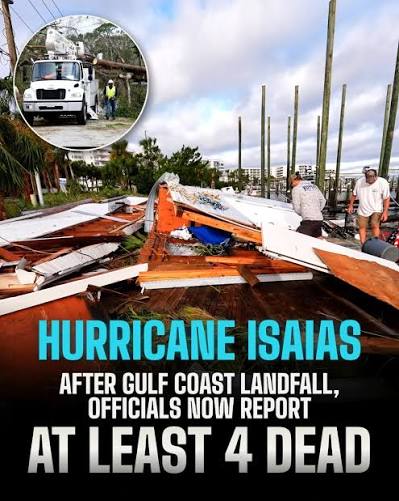
Hurricane Isaias has caused widespread destruction along the US Gulf Coast, leaving at least four people dead and hundreds of thousands of customers without electricity. The storm struck near Destin, Florida, on Friday, October 9, 2026, bringing powerful winds, heavy rainfall, flooding and dangerous coastal conditions.
According to the Associated Press, nearly 900,000 customers lost electricity during the first hours after landfall. The hurricane damaged buildings, uprooted trees and disrupted essential services across Florida and Alabama. Emergency crews have been working to clear debris, restore electricity and assess the full extent of the damage.
Although Isaias weakened after moving inland, the threat did not immediately disappear. Heavy rainfall, flash flooding and possible tornadoes remained concerns across parts of the southeastern United States.
Hurricane Isaias Makes Landfall Along Florida’s Gulf Coast
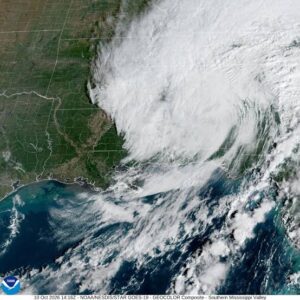
Hurricane Isaias reached the Florida Panhandle as a Category 2 hurricane, with maximum sustained winds reported at approximately 105 mph. It made landfall near Destin, a popular coastal destination known for its beaches, hotels and holiday properties.
The storm brought dangerous conditions to communities along the coast. Strong winds damaged rooftops and building facades, while heavy rain flooded roads and threatened low-lying neighbourhoods.
Residents faced difficult conditions as the hurricane moved inland. Fallen trees, damaged power lines and scattered debris complicated travel and created additional hazards for emergency workers.
The Florida Panhandle and nearby parts of Alabama experienced some of the most significant impacts. Authorities began assessing damage as soon as conditions allowed, while utility companies prepared crews to repair damaged electricity infrastructure.
Why Was the Storm So Destructive?
Several factors contributed to the storm’s impact. Hurricane-force winds can tear away roofing materials, break windows, uproot trees and damage power lines. Heavy rainfall can overwhelm drainage systems and cause flash flooding, particularly where water accumulates quickly.
Coastal communities also face storm-surge risks. Storm surge occurs when strong winds push seawater toward the shoreline, raising water levels above normal tides and potentially flooding roads and buildings.
Even after a hurricane weakens, these hazards can continue. Rainfall, unstable trees and damaged electrical infrastructure may remain dangerous for hours or days.
At Least Four People Reported Dead
At least four deaths were linked to Hurricane Isaias in the initial reports following landfall. Authorities reported fatalities in Florida and Alabama, including incidents involving falling trees.
In Florida’s Escambia County, officials reported that one person died after a tree fell on a home. Another person died from carbon monoxide poisoning associated with a generator operating in a garage.
Alabama also reported two storm-related deaths. One involved a tree falling on a house in Birmingham, while another was linked to a vehicle crash involving a downed tree in Barbour County.
These incidents highlight the dangers that remain during and after severe weather. Strong winds can bring down trees without warning, while flooded roads and damaged infrastructure can make ordinary journeys hazardous.
The reported death toll reflects the information available in early coverage and may change as authorities investigate additional incidents.
Generator Safety Becomes a Major Concern
Power outages often force residents to use backup generators. However, generators produce carbon monoxide, a colourless and odourless gas that can cause severe illness or death.
People should never operate portable generators inside homes, garages or other enclosed spaces. They should follow the manufacturer’s outdoor placement instructions and keep generators away from doors, windows and ventilation openings.
Carbon monoxide alarms can provide an additional layer of protection. Residents should also avoid using grills or other fuel-burning equipment indoors as alternative power sources.
Safety precautions remain essential even when electricity restoration takes longer than expected.
More Than 850,000 Customers Lose Electricity
One of the most significant consequences of Hurricane Isaias was the widespread loss of electricity. The Associated Press reported that nearly 900,000 customers were without power during the initial hours after the storm made landfall.
The outages affected communities across Florida and Alabama, with additional disruptions reported in neighbouring states. Fallen trees, broken branches and damaged electrical lines complicated restoration work.
Power outages affect far more than household lighting. They can disrupt refrigeration, medical equipment, communications, water services, traffic signals and local businesses.
For families, prolonged outages can also lead to food spoilage and difficulties keeping homes comfortable during changing weather conditions.
Power Restoration Efforts Continue
Utility companies began assessing damaged equipment and organising repair crews after the storm passed through affected areas. Restoration work generally requires teams to inspect transmission lines, remove dangerous debris and repair damaged poles and distribution networks.
The scale of the damage can determine how quickly electricity returns. Crews must also consider safety risks, particularly where roads remain blocked or floodwaters prevent access to damaged infrastructure.
According to Reuters reporting published on October 10, approximately 670,000 customers across Florida, Alabama, Georgia and Mississippi were still without power at the time of its report. This lower figure compared with the initial peak indicates that outage totals were changing as restoration efforts progressed.
The number of affected customers should therefore be understood as a changing figure rather than a fixed total. Source: Reuters
Florida Panhandle Faces Significant Property Damage
Hurricane Isaias caused visible damage to buildings and coastal infrastructure. Reports described damaged hotel rooftops, torn building facades and destruction around residential properties.
In Pensacola, a hotel roof was reportedly damaged by hurricane-force winds. The storm also damaged a boathouse in Destin and removed part of the facade of a high-rise building in Panama City Beach.
Residents began clearing debris and examining damaged homes once conditions became safer. Some properties suffered water damage, while others lost roofing materials and exterior structures.
Damage assessments are important because the full financial cost of a hurricane cannot be determined immediately. Officials must inspect residential buildings, commercial properties, roads, utilities and public infrastructure before producing reliable estimates.
Small Businesses and Tourism Feel the Impact
The Florida Panhandle relies heavily on tourism, hospitality, restaurants and coastal recreation. Storm damage can interrupt these activities even after the strongest winds have passed.
Hotels may need repairs before accepting guests, while restaurants and shops can face closures because of electricity or water disruptions. Beach access, transport problems and safety restrictions may also affect visitors.
Small businesses can experience lost income during closures while still facing repair bills, damaged inventory and other expenses.
The recovery period will depend on the condition of individual properties, the availability of repair services and the speed at which essential utilities return.
Alabama Also Reports Storm Damage and Dangerous Roads
Alabama experienced strong winds, fallen trees and electricity disruptions as Isaias moved inland. Authorities warned residents about hazardous road conditions caused by downed trees and power lines.
In Houston County, officials reported serious road-access problems after the storm. Blocked roads can delay emergency services, prevent utility crews from reaching damaged equipment and make travel dangerous for residents.
Along Alabama’s Gulf Coast, communities reported fallen trees and damaged electrical infrastructure.
The combination of wind damage and heavy rainfall can make cleanup especially difficult. Wet ground can weaken tree roots, while additional rain may destabilise already damaged structures.
Emergency Services Prioritise Public Safety
Emergency response teams generally focus first on immediate threats to life, including medical emergencies, dangerous structural damage and blocked routes needed by rescue services.
Crews then work to remove debris, restore access and assess damage to public infrastructure.
Residents can support recovery efforts by avoiding unnecessary journeys, staying away from fallen power lines and following instructions from local authorities.
People should also avoid entering damaged buildings until they are considered safe. Structural weaknesses may not be obvious from the outside, and damaged electrical equipment can create additional risks.
Flooding and Tornado Threats Continue After Landfall
Hurricane Isaias weakened after reaching the Gulf Coast, but forecasters continued to warn about dangerous weather across parts of the Southeast.
Heavy rainfall can cause flash flooding when water rises quickly in streets, drainage channels and low-lying areas. Floodwater may hide damaged roads, open drains or other hazards.
Tornadoes are another potential danger associated with tropical systems. Changing wind conditions and unstable atmospheric conditions can produce tornadoes or severe thunderstorms even when a hurricane’s central winds begin to weaken.
Residents should therefore avoid assuming that conditions are safe simply because the storm has moved inland.
Why Floodwater Remains Dangerous
Floodwater can move faster than it appears. It may also contain sewage, chemicals, sharp debris and other contaminants.
Drivers should never attempt to cross a flooded road when the depth or condition of the surface is uncertain. Even relatively shallow water can cause vehicles to lose control or become stranded.
People living near streams and drainage channels should monitor local alerts and move to safer ground if authorities issue evacuation instructions.
After the storm, residents should also watch for additional rainfall that could worsen flooding in already saturated areas.
Emergency Declarations and Federal Assistance
Severe hurricanes can require coordination between local, state and federal agencies. In the aftermath of Isaias, emergency declarations were reported for affected states, helping make federal resources available for response and recovery.
Emergency assistance can support activities such as debris removal, public infrastructure repairs and other eligible disaster-related costs. The exact assistance available depends on the declaration, programme rules and official assessments.
Authorities must identify damaged areas, evaluate needs and coordinate resources as conditions change.
Residents who experience property damage should keep records of losses, photograph damage when it is safe to do so and contact their insurance providers. They should also follow official announcements about disaster assistance and eligibility requirements.
People should be cautious about unsolicited offers of repair work or assistance that demand upfront payments or sensitive personal information.
Hurricane Isaias Disrupts Gulf Energy Operations
The Gulf of Mexico is an important region for US oil and natural gas production. Severe weather can affect offshore platforms, transportation systems and supporting infrastructure.
Reuters reported that energy companies were beginning to redeploy personnel to offshore facilities after Isaias passed through the region. Some production remained shut while operators assessed conditions and worked toward restoring normal operations.
Offshore facilities may be evacuated before a hurricane approaches to protect workers. Returning personnel and restarting operations requires safety checks, equipment inspections and confirmation that weather conditions permit work to resume.
Could the Storm Affect Fuel Prices?
Hurricane-related disruptions can influence energy markets, especially when they affect production, transportation or refining operations.
However, a temporary interruption does not automatically mean petrol or diesel prices will rise significantly. The final impact depends on the duration of the disruption, available supplies, demand and broader market conditions.
Reuters also reported that the US Department of Energy authorised an emergency exchange of up to four million barrels of crude oil from the Strategic Petroleum Reserve to address supply disruptions linked to the hurricane.
The longer-term effect on energy markets will depend on how quickly affected facilities resume normal operations.
What Residents Should Do During the Recovery Period
Residents in affected communities should continue following local emergency announcements, even after the hurricane weakens.
The following precautions can reduce the risk of injury during cleanup and restoration.
- Avoid fallen power lines: Treat every downed electrical line as live and dangerous.
- Use generators safely: Operate generators outdoors according to manufacturer instructions, never inside a garage or home.
- Check weather alerts: Flooding and tornado threats can continue after landfall.
- Avoid flooded roads: Never drive through water covering a roadway.
- Inspect buildings carefully: Stay away from structures with visible roof, wall or foundation damage until they are assessed.
- Protect food and medicine: Follow public-health guidance about refrigerated food and temperature-sensitive medicines during prolonged outages.
- Contact emergency services when needed: Report life-threatening hazards and follow evacuation instructions.
Residents should rely on official weather services, local emergency management agencies and utility providers for current instructions.
Climate Conditions and the Late-Season Hurricane
Isaias also attracted attention because of its late appearance in the 2026 Atlantic hurricane season. Reporting described it as the season’s first Atlantic hurricane, following an unusually quiet period.
Hurricanes develop when several environmental conditions come together. These include warm ocean water, sufficient atmospheric moisture, favourable wind conditions and an existing disturbance that can organise into a rotating storm.
Warm water can provide energy to a developing tropical cyclone. However, ocean temperatures alone do not determine whether a hurricane will form or how destructive it will become.
Climate change can influence hurricane risks by increasing ocean heat, raising sea levels and contributing to heavier rainfall in some storms. Scientists nevertheless assess individual storms using multiple factors rather than attributing every event to one cause.
Understanding these risks helps communities improve building standards, drainage systems, evacuation planning and long-term coastal resilience.
What Happens Next for the Gulf Coast?
The immediate priorities after Hurricane Isaias are restoring essential services, clearing dangerous debris, assessing structural damage and supporting affected families.
Electricity restoration will remain a central concern for households and businesses. The pace of recovery will depend on the condition of electrical networks, road access and the number of repair crews available.
Authorities must also continue monitoring rainfall, flood risks and severe weather as the system moves inland.
For affected residents, recovery may involve temporary accommodation, property repairs, insurance claims and the replacement of damaged belongings. Businesses may need additional time to reopen, particularly where structural repairs or utility restoration are required.
Although the initial reports indicate a serious storm impact, a complete picture of the damage will emerge only after further inspections and updated assessments.
Conclusion
Hurricane Isaias has left a serious trail of disruption along the US Gulf Coast, with at least four reported deaths, extensive property damage and hundreds of thousands of electricity customers affected.
The storm made landfall near Destin, Florida, before weakening and moving inland. Nevertheless, flooding, dangerous debris, damaged power lines and possible severe weather continued to threaten communities across the Southeast.
Emergency workers and utility crews face the difficult task of restoring services while keeping residents safe. Meanwhile, affected families and businesses must navigate property damage and interruptions to everyday life.
The reported peak of nearly 900,000 customers without electricity demonstrates the scale of the initial disruption. As restoration progresses, updated figures will provide a clearer picture of the remaining outages and the region’s recovery.
For the latest information, residents should follow official weather alerts, local emergency announcements and electricity-provider updates.
Frequently Asked Questions (FAQs)
1. How many people died because of Hurricane Isaias?
At least four storm-related deaths were reported in initial coverage following the hurricane’s landfall in October 2026. Authorities reported fatalities in Florida and Alabama. The total may change as investigations continue.
2. How many people lost power during Hurricane Isaias?
Nearly 900,000 electricity customers were without power during the initial hours after landfall, according to the Associated Press. Reuters later reported approximately 670,000 customers still without electricity in four states at the time of its October 10 report.
3. Where did Hurricane Isaias make landfall?
Hurricane Isaias made landfall near Destin, Florida, along the state’s Gulf Coast, on October 9, 2026. It subsequently moved inland and weakened.
4. What category was Hurricane Isaias when it reached Florida?
The storm made landfall as a Category 2 hurricane, with maximum sustained winds reported at approximately 105 mph.
5. Which areas were affected by Hurricane Isaias?
Florida’s Panhandle and Alabama experienced significant impacts. Power outages and severe weather also affected parts of Georgia and Mississippi, while additional rain and flooding threats extended inland.
6. Is Hurricane Isaias still dangerous after landfall?
A hurricane can weaken after landfall while continuing to produce dangerous conditions. Flooding, falling trees, damaged electrical lines and severe thunderstorms may remain threats after the strongest winds subside.
7. How can residents check power restoration updates?
Residents should check their electricity provider’s official outage map, restoration announcements and local emergency management updates. Restoration estimates may change as crews assess damage.
8. Is it safe to use a generator during a power outage?
Generators can be dangerous when used incorrectly. Portable generators must be operated outdoors according to the manufacturer’s instructions and must never be run inside a home or garage because carbon monoxide can cause fatal poisoning.
9. Could Hurricane Isaias affect energy prices?
The hurricane disrupted some Gulf energy operations, according to Reuters. The impact on fuel prices will depend on the duration of production interruptions, supply conditions and wider energy-market trends.
10. Where can readers find reliable Hurricane Isaias updates?
Readers should consult the National Hurricane Center, the National Weather Service, local emergency management agencies and official electricity providers. Established news organisations such as the Associated Press and Reuters can also provide verified reporting on deaths, damage and recovery efforts.
About the Author