GRID COLLAPSE: Violent eyewall of Hurricane Isaias ravages Gulf Coast, 800,000+ plunged into total darkness across Alabama and Florida
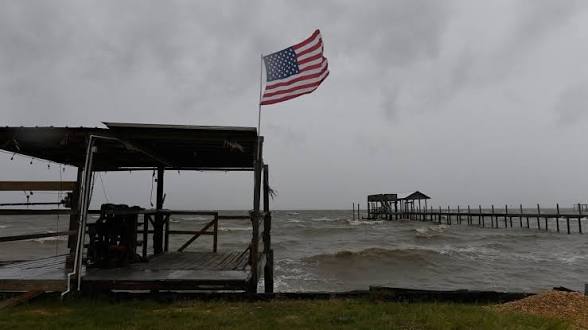
Hurricane Isaias has battered Florida’s Gulf Coast and moved inland toward Alabama, leaving widespread power outages, damaged infrastructure and dangerous flooding in its wake. More than 800,000 electricity customers were without power across parts of the southeastern United States following the storm’s landfall, according to reports published on October 10, 2026.
The storm made landfall near Destin, Florida, on Friday evening, October 9, as a Category 2 hurricane. It brought powerful winds, heavy rainfall and dangerous conditions to communities along the Florida Panhandle before moving into Alabama.
Although Isaias weakened after landfall, the immediate danger did not disappear. Floodwater, fallen trees, damaged power lines and blocked roads continued to threaten residents and complicate emergency operations.
The scale of the electricity disruption has become one of the most visible consequences of the storm. Thousands of homes and businesses have faced interruptions to essential services, while utility crews and emergency responders work to assess the damage.
Important distinction: The outage figure refers to electricity customers reported without power, not necessarily individual people. The headline’s phrase “total darkness” describes the widespread disruption rather than a complete blackout across all of Alabama and Florida.
Hurricane Isaias Makes Landfall Near Destin, Florida
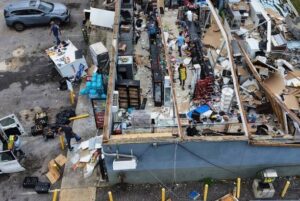
The storm’s landfall marked a dangerous moment for residents across the Florida Panhandle. According to the National Hurricane Center, Isaias was moving across the western Florida Panhandle on Friday night, with damaging winds and flash flooding spreading inland.
Isaias reached the coast with maximum sustained winds of approximately 105 mph, or 169 km/h. These conditions were powerful enough to damage buildings, bring down trees and disrupt transport and electricity networks.
Destin and nearby coastal communities experienced the effects of strong winds and elevated water levels. Further inland, the storm’s heavy rainfall created additional concerns for communities already dealing with saturated ground and rising water.
The storm subsequently moved north into southern Alabama and weakened. However, weakening wind speeds did not immediately remove the threat of flooding or falling debris.
Authorities continued to warn residents about dangerous travel conditions and the possibility of additional severe weather.
Why the Storm’s Eyewall Was Dangerous
A hurricane’s eyewall is the ring of intense thunderstorms surrounding its relatively calm centre. It typically contains some of the storm’s strongest winds and heaviest rainfall.
When the eyewall moves over populated areas, it can produce sudden, destructive conditions. Roofs may suffer damage, trees can fall onto buildings, and electrical infrastructure can be severely affected.
However, damage does not stop when the eyewall passes. Rainbands surrounding a hurricane can continue to deliver heavy rain, while gusty winds may persist as the storm moves inland.
In Isaias’s case, coastal wind damage combined with inland rainfall created several simultaneous challenges for emergency services.
More Than 800,000 Electricity Customers Affected
The extensive power outages became a major concern as Isaias moved away from the coast.
Reports published on October 10 indicated that more than 860,000 electricity customers across the southeastern United States were without power at one point. The affected area included Florida, Alabama and Georgia.
The exact number changed as utility companies restored some connections and identified additional damage.
Power outages during a hurricane can affect far more than lighting. They can interrupt refrigeration, communications, medical equipment, water services and the operation of local businesses.
For families, even a temporary loss of electricity can become difficult when temperatures remain high or access to supplies is limited.
For businesses, prolonged interruptions may damage refrigerated stock, prevent electronic payments and delay reopening.
Florida Faces Extensive Electricity Disruption
Florida’s Panhandle was among the hardest-hit areas following landfall. Powerful winds and falling trees damaged electrical equipment and obstructed access to repair locations.
Florida Power & Light reported that approximately 332,000 of its customers remained without electricity as of 11:30 a.m. Central Daylight Time on October 10. The company said it had mobilised a workforce of around 16,000 people from 29 states to support restoration operations.
The utility said crews were inspecting damage, clearing debris and using aerial assessments to identify affected infrastructure.
Restoration teams also prioritised critical facilities, including hospitals, emergency call centres and police and fire stations.
The work was complicated by fallen trees, damaged vegetation and blocked roads. In some locations, crews first needed to make access routes safe before repairing electrical equipment.
Alabama Deals With Fallen Trees and Flooded Roads
Alabama also experienced dangerous conditions as the storm moved inland.
Heavy rainfall, strong winds and falling trees created hazards for residents and emergency responders. Some roads became unsafe or impassable because of debris and flooding.
The National Hurricane Center warned that flash flooding and strong winds would spread farther inland as Isaias moved through southern Alabama.
Road closures can delay emergency medical services, prevent workers from reaching damaged infrastructure and complicate deliveries of food, water and other essential supplies.
Residents in affected communities were urged to avoid unnecessary journeys and follow instructions from local authorities.
Storm Damage Extends Beyond Power Lines
Although the number of customers without electricity attracted widespread attention, the storm’s impact extended across several parts of daily life.
Strong winds can damage homes, commercial buildings, airport facilities and roadside infrastructure. Heavy rainfall can overwhelm drainage systems and cause water to accumulate on roads and in low-lying neighbourhoods.
Fallen Trees and Structural Damage
Falling trees are a major danger during hurricanes because they can strike houses, vehicles and power lines.
Even when a building remains standing, damaged roofs and broken windows can leave its interior exposed to rain. Residents may then face additional repair costs and temporary housing challenges.
Debris also creates problems for emergency workers. A road blocked by a fallen tree may prevent a utility crew from reaching a damaged transformer or power line.
Flooding Remains a Serious Concern
Flooding can continue after a hurricane’s strongest winds have weakened.
Rainfall may accumulate in streets, drainage channels and rivers. Water can also rise rapidly in areas where the ground is already saturated.
Isaias’s inland movement kept the risk of flash flooding alive after landfall. Forecasters also warned of continued heavy rain and possible tornadoes in parts of the Southeast.
People should never assume that a road is safe simply because floodwater appears shallow. Moving water can conceal damaged road surfaces, open drains and other hazards.
At Least Four Deaths Reported as Storm Moves Inland
The storm also brought tragic consequences.
News reports published on October 10 said at least four people had died in incidents linked to Isaias. Reported fatalities included people killed when trees fell on homes, as well as a death associated with carbon monoxide poisoning from a generator.
These reports underline the dangers that can remain after a hurricane makes landfall.
Falling trees can cause fatal injuries even when people are inside their homes. Meanwhile, generators can become deadly when operated indoors or too close to doors, windows and ventilation openings.
Emergency officials and utility companies continued to emphasise the importance of following safety guidance during recovery.
Residents should also be cautious when inspecting damaged property. A fallen power line may remain energised, and floodwater can conceal electrical hazards.
How useful was this post?
Click on a star to rate it!
Average rating 0 / 5. Vote count: 0
No votes so far! Be the first to rate this post.
About the Author

usa5911.com
Administrator
Hi, I’m Gurdeep Singh, a professional content writer from India with over 3 years of experience in the field. I specialize in covering U.S. politics, delivering timely and engaging content tailored specifically for an American audience. Along with my dedicated team, we track and report on all the latest political trends, news, and in-depth analysis shaping the United States today. Our goal is to provide clear, factual, and compelling content that keeps readers informed and engaged with the ever-changing political landscape.