Middle East Tensions Explode: Hezbollah Rejects Disarmament As US Intensifies Pressure On Iran’s Terror Network
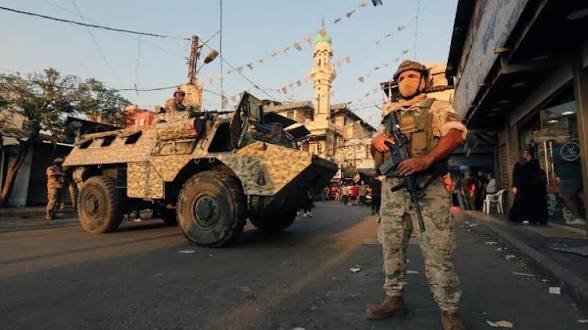
The Middle East is once again at the center of global attention as regional tensions continue to escalate. Hezbollah has firmly rejected calls for disarmament, while the United States has intensified its campaign to weaken Iran’s network of allied militant organizations across the region. The latest developments come amid growing diplomatic pressure, military deployments, and concerns that the fragile security environment could deteriorate into a wider regional conflict.
Washington has repeatedly argued that Iran-backed groups continue to threaten regional stability, international shipping routes, and US allies. Meanwhile, Hezbollah insists that its military capabilities remain essential for Lebanon’s national defense, particularly in light of ongoing tensions with Israel.
As governments across Europe, the Middle East, and North America monitor developments, analysts warn that the decisions made in the coming weeks could significantly shape the region’s security landscape.
Hezbollah Rejects Disarmament Despite Growing International Pressure
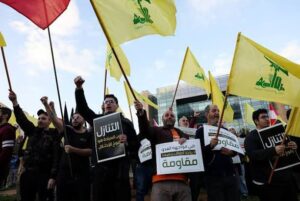
One of the most significant developments has been Hezbollah’s renewed refusal to surrender its weapons or reduce its military capabilities.
Senior Hezbollah officials argue that disarmament is not an option while regional security threats remain unresolved. According to the group, its armed wing serves as a deterrent against external aggression and remains an integral part of Lebanon’s defense strategy.
The organization’s leadership has consistently maintained that any discussion regarding its weapons must be linked to broader regional security arrangements rather than international demands alone.
This position directly conflicts with calls from the United States and several Western governments, which continue to designate Hezbollah as a terrorist organization and argue that its military infrastructure undermines Lebanese sovereignty.
The disagreement has become one of the central issues in ongoing diplomatic discussions involving Lebanon and its international partners.
Why Hezbollah’s Military Capabilities Remain Controversial
Hezbollah possesses one of the largest and most sophisticated non-state military forces in the world.
Military analysts estimate that the organization maintains:
- Thousands of trained fighters
- Extensive rocket and missile stockpiles
- Anti-tank missile systems
- Surveillance drones
- Air defense capabilities
- Underground tunnel infrastructure
These capabilities have expanded considerably over the past two decades, particularly following conflicts involving Israel.
Supporters argue that Hezbollah’s arsenal deters future military attacks.
Critics, however, contend that the group’s military independence weakens the authority of the Lebanese state and increases the likelihood of regional conflict.
This debate continues to divide both Lebanese politics and the broader international community.
US Intensifies Pressure on Iran’s Regional Network
The Biden administration has significantly expanded efforts aimed at limiting Iran’s influence across the Middle East.
US officials have emphasized that Iran continues to provide financial support, weapons, intelligence, and training to several regional militant groups.
These include organizations operating in:
- Lebanon
- Iraq
- Syria
- Yemen
- Gaza
Washington argues that weakening these networks remains essential to reducing instability across the region.
Recent US actions reportedly include:
- Expanded sanctions targeting financial networks
- Increased intelligence operations
- Greater military coordination with regional allies
- Enhanced naval patrols
- Diplomatic engagement with Gulf partners
American officials maintain that these measures are intended to reduce the operational capabilities of Iran-backed organizations without triggering a broader regional war.
Iran Continues to Deny Direct Control
Iran has consistently rejected accusations that it directly controls Hezbollah or other regional organizations.
Officials in Tehran argue that these groups make independent decisions based on local political realities.
Nevertheless, intelligence assessments published by multiple Western governments continue to describe Hezbollah as one of Iran’s closest strategic partners.
Experts note that decades of financial assistance, military cooperation, and ideological alignment have created strong relationships between Iran and several armed organizations across the Middle East.
These relationships remain one of the defining features of regional geopolitics.
Growing Concerns Over Regional Escalation
Security analysts warn that increasing pressure on Iran’s network could lead to unintended consequences.
Several potential flashpoints remain active simultaneously:
Southern Lebanon
Cross-border exchanges involving Hezbollah and Israeli forces remain one of the region’s most dangerous security concerns.
Even limited military incidents carry the potential to expand rapidly if either side miscalculates the other’s intentions.
Syria
Iran-backed militias continue operating throughout Syria, where US military personnel remain stationed in support of counterterrorism operations.
Periodic strikes against militia positions have highlighted the ongoing risks facing both American forces and regional actors.
Iraq
Armed groups aligned with Iran continue to exert considerable political and military influence inside Iraq.
US officials have repeatedly expressed concern regarding attacks targeting coalition facilities and diplomatic missions.
Yemen
The Houthi movement remains another major component of Iran’s broader regional network, according to US assessments.
Attacks on commercial shipping routes in and around the Red Sea have significantly affected international maritime security and global trade.
Lebanon Faces Increasing Political Pressure
Lebanon’s internal political crisis further complicates the situation.
The country continues to struggle with:
- Economic collapse
- Currency instability
- Political deadlock
- Banking sector challenges
- Infrastructure shortages
- Public dissatisfaction
International donors have repeatedly emphasized that meaningful political reforms remain essential for future financial assistance.
However, Hezbollah’s military status remains one of the most politically sensitive issues inside Lebanon.
Many political factions argue that state institutions should exercise exclusive control over national defense.
Others believe that disarmament under current regional conditions would expose Lebanon to greater security risks.
This division has prevented any comprehensive national consensus.
Israel Closely Monitors Hezbollah Activities
Israeli defense officials continue to identify Hezbollah as one of their country’s most significant security threats.
Military planners have repeatedly warned that Hezbollah’s expanding missile arsenal presents an unprecedented challenge.
Israeli intelligence estimates suggest that Hezbollah possesses precision-guided missile capabilities capable of striking strategic infrastructure.
Consequently, Israel continues investing heavily in:
- Missile defense systems
- Intelligence gathering
- Border surveillance
- Air force modernization
- Civil defense preparedness
Israeli leaders have also stated that they will continue taking action against perceived threats originating from neighboring territories.
The United States Seeks Greater Regional Cooperation
Washington has increasingly focused on strengthening cooperation with Middle Eastern allies.
This strategy includes closer intelligence sharing, joint military exercises, and expanded regional defense partnerships.
US officials argue that coordinated security efforts are essential for countering emerging threats while reducing opportunities for militant organizations to expand their influence.
At the same time, American diplomats continue engaging regional governments in efforts to prevent direct military confrontation.
Balancing deterrence with diplomacy remains one of the administration’s primary strategic objectives.
As tensions continue to rise, governments around the world have urged all parties to avoid actions that could spark a broader conflict. The international community fears that any direct confrontation involving Hezbollah, Iran, Israel, or the United States could have far-reaching consequences for regional stability and the global economy.
Several European governments have called for renewed diplomatic engagement, emphasizing that dialogue remains the best path toward reducing hostilities. They have also expressed support for Lebanon’s sovereignty and encouraged reforms that strengthen state institutions.
Meanwhile, Gulf nations continue to monitor developments closely. Many countries in the region have increased security preparedness while supporting efforts to prevent further escalation. These governments recognize that instability in Lebanon, Syria, Iraq, or the Persian Gulf could affect regional trade, investment, and economic growth.
The United Nations has repeatedly urged restraint and reaffirmed the importance of respecting international law. Officials have stressed that protecting civilians and preventing further violence should remain the highest priority.
Economic Impact of Rising Middle East Tensions
Beyond the security concerns, the latest developments are influencing global financial markets.
Whenever instability increases in the Middle East, investors closely watch oil prices, shipping routes, and energy infrastructure. Even the possibility of military escalation can affect market sentiment because the region plays a vital role in global energy production.
Several economic concerns have emerged, including:
- Higher crude oil prices
- Increased shipping insurance costs
- Supply chain disruptions
- Greater market volatility
- Rising transportation expenses
- Investor uncertainty
Energy analysts note that disruptions affecting major shipping lanes or oil-producing regions could quickly influence international fuel prices.
Businesses involved in global trade are also paying close attention. Shipping companies continue evaluating potential risks associated with commercial routes through strategically important waterways.
The Strategic Importance of Iran’s Regional Network
Iran’s regional alliances have developed over several decades and form a significant part of its broader foreign policy strategy.
Rather than relying solely on conventional military power, Tehran has cultivated relationships with allied organizations across the Middle East. According to many security experts, this network allows Iran to project influence beyond its borders while creating multiple layers of strategic deterrence.
Supporters of Iran’s regional approach argue that these alliances help resist external pressure and strengthen regional security.
Critics, however, believe that support for armed groups contributes to instability, prolongs conflicts, and complicates diplomatic solutions.
The disagreement over these competing perspectives remains one of the central challenges facing policymakers.
What Hezbollah’s Position Means for Lebanon
Hezbollah’s refusal to consider disarmament has significant implications for Lebanon’s political future.
The issue extends beyond military capabilities and touches nearly every aspect of Lebanese governance.
Several important questions remain unresolved:
National Defense Policy
Many political leaders argue that only the Lebanese Armed Forces should possess military authority.
Others maintain that Hezbollah’s weapons remain necessary because of continuing regional security concerns.
International Assistance
Foreign governments and international financial institutions have repeatedly linked economic assistance to political reforms.
Some observers believe progress could become more difficult if disagreements over Hezbollah’s military status continue.
Political Stability
Lebanon’s coalition-based political system requires cooperation among multiple factions.
Deep divisions regarding Hezbollah continue to complicate efforts to implement reforms, elect leaders, and restore public confidence.
Could Diplomatic Negotiations Reduce Tensions?
Despite increasingly sharp rhetoric, diplomacy remains active behind the scenes.
Regional governments, European diplomats, and international organizations continue exploring opportunities to reduce tensions through dialogue.
Several diplomatic priorities include:
- Preventing military escalation
- Protecting civilian populations
- Encouraging political stability in Lebanon
- Reducing attacks across regional borders
- Maintaining freedom of navigation
- Expanding humanitarian assistance where needed
Although negotiations remain challenging, many experts believe diplomatic engagement offers the best opportunity to avoid a wider conflict.
However, meaningful progress will likely require cooperation among multiple regional and international stakeholders.
Expert Analysis: What Comes Next?
Security analysts caution that the coming months could prove decisive for the Middle East.
Several possible scenarios are being closely monitored:
1. Continued Diplomatic Pressure
The United States and its allies may continue relying on sanctions, intelligence cooperation, and diplomatic initiatives instead of pursuing broader military action.
2. Limited Regional Confrontations
Small-scale military incidents involving Iran-backed groups could continue without expanding into full-scale war.
3. Increased International Mediation
International organizations and regional partners may intensify efforts to reduce tensions through negotiations.
4. Broader Escalation
Although no major actor publicly states that it seeks a wider conflict, analysts warn that miscalculations or unintended incidents could significantly increase regional instability.
Each scenario carries important implications for global security, energy markets, humanitarian conditions, and international diplomacy.
Why the Situation Matters Globally
The latest developments are not confined to the Middle East.
Events involving Hezbollah, Iran, and the United States influence several international issues, including:
- Global energy security
- Maritime trade
- International counterterrorism efforts
- Regional alliances
- Financial markets
- Diplomatic relations
Governments around the world continue evaluating how regional developments may affect broader geopolitical stability.
For this reason, policymakers, investors, businesses, and security experts remain closely focused on every new development.
Conclusion
The Middle East remains at a critical crossroads as Hezbollah rejects renewed calls for disarmament while the United States intensifies pressure on Iran’s regional network.
The dispute reflects broader disagreements over regional security, national sovereignty, military deterrence, and international diplomacy. While Hezbollah insists its armed capabilities remain necessary for Lebanon’s defense, the United States and several allies argue that limiting Iran-backed organizations is essential for long-term regional stability.
At the same time, Lebanon continues to face severe political and economic challenges, making any discussion surrounding Hezbollah’s future particularly sensitive. Regional governments, international organizations, and global powers are all working to prevent further escalation while pursuing diplomatic solutions.
Although uncertainty remains high, one reality is clear: decisions made in the coming months could significantly influence the future security landscape of the Middle East and shape international relations for years to come.
Frequently Asked Questions (FAQs)
1. Why has Hezbollah rejected disarmament?
Hezbollah argues that its weapons are necessary to defend Lebanon against external threats and believes disarmament should only be discussed within a broader regional security framework.
2. Why is the United States increasing pressure on Iran’s regional network?
The United States says it aims to reduce the capabilities of Iran-backed armed groups, which it believes contribute to regional instability and threaten American allies and interests.
3. Does Iran control Hezbollah?
Iran has consistently denied direct operational control over Hezbollah. However, many Western governments and intelligence assessments describe Hezbollah as one of Iran’s closest strategic partners due to longstanding financial, military, and political ties.
4. How could these tensions affect global markets?
Escalating tensions may influence oil prices, shipping costs, insurance premiums, and investor confidence, particularly if major trade routes or energy infrastructure are affected.
5. Is a wider regional conflict inevitable?
Not necessarily. While tensions remain elevated, diplomatic efforts continue, and many governments are working to prevent further escalation through dialogue and international cooperation.
How useful was this post?
Click on a star to rate it!
Average rating 0 / 5. Vote count: 0
No votes so far! Be the first to rate this post.
About the Author

usa5911.com
Administrator
Hi, I’m Gurdeep Singh, a professional content writer from India with over 3 years of experience in the field. I specialize in covering U.S. politics, delivering timely and engaging content tailored specifically for an American audience. Along with my dedicated team, we track and report on all the latest political trends, news, and in-depth analysis shaping the United States today. Our goal is to provide clear, factual, and compelling content that keeps readers informed and engaged with the ever-changing political landscape.