BREAKING: Hezbollah REFUSES To Disarm As US Targets Iran’s Terror Network
The Middle East has entered another period of heightened uncertainty after Hezbollah refuses to disarm under a newly announced U.S.-brokered security framework between Israel and Lebanon. At the same time, the United States has expanded military and diplomatic pressure on Iran following recent attacks linked to Tehran’s regional network.
The latest developments underscore how closely the conflicts involving Lebanon, Israel, Iran, and the United States remain connected. While diplomats continue searching for long-term stability, Hezbollah’s leadership has rejected calls to surrender its weapons, arguing that disarmament would weaken Lebanon’s ability to resist Israel.
As Washington intensifies efforts to limit Iran’s regional influence, analysts warn that the refusal to disarm could complicate peace initiatives and prolong instability across the region.
Hezbollah Refuses to Disarm Despite New Security Framework
Hezbollah leader Naim Qassem publicly rejected the U.S.-brokered security agreement only one day after it was signed.
According to Qassem, the proposal represents a political surrender rather than a genuine peace agreement. He argued that Hezbollah would not abandon its weapons while Israeli troops remain inside Lebanese territory.
The agreement reportedly includes:
- A phased Israeli withdrawal from parts of southern Lebanon
- Deployment of the Lebanese Armed Forces
- Greater international monitoring
- Future discussions regarding Hezbollah’s weapons
- Security guarantees intended to reduce cross-border violence
However, Hezbollah insists that resistance remains necessary until all disputed territory is resolved.
Why Hezbollah Says It Will Not Give Up Its Weapons
For decades, Hezbollah has argued that its military capability serves as Lebanon’s primary defense against Israel.
The organization believes that surrendering its arsenal before a complete Israeli withdrawal would leave Lebanon vulnerable to future military operations.
During his latest remarks, Qassem stated that Hezbollah views armed resistance as a legitimate response to what it considers continued occupation. He also criticized the agreement for linking Israeli withdrawals to Hezbollah’s disarmament.
Supporters of Hezbollah argue that the group’s weapons deter future conflict.
Critics, however, contend that maintaining an independent armed force undermines Lebanon’s sovereignty and prevents the central government from exercising full control over national security.
US Expands Pressure on Iran’s Regional Network
The dispute comes as Washington increases pressure on Iran following attacks linked to Tehran’s regional partners.
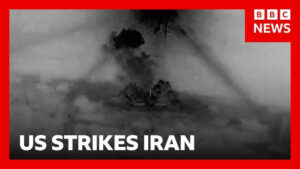
Recent U.S. military operations targeted Iranian missile and drone infrastructure after an attack on a commercial cargo vessel in the Strait of Hormuz. American officials described the strikes as limited responses designed to protect international shipping while avoiding wider escalation.
The Biden… (or current U.S. administration in this scenario) has repeatedly stated that limiting Iran’s regional influence remains a major security objective.
Officials believe organizations supported by Tehran—including Hezbollah—play a significant role in regional instability.
As a result, diplomatic pressure, sanctions, and military deterrence continue alongside negotiations aimed at reducing broader conflict.
Lebanon Faces Difficult Political Choices
The Lebanese government finds itself in an increasingly complicated position.
On one side, international partners—including the United States—support strengthening Lebanon’s national army and limiting the influence of non-state armed groups.
On the other side, Hezbollah remains one of Lebanon’s most powerful political and military organizations with significant domestic support.
Many observers believe any attempt to force immediate disarmament could create serious internal political tensions or even renewed conflict.
Israel has consistently argued that Hezbollah’s military capabilities pose one of the greatest threats to its national security. Over the years, the group has accumulated a substantial arsenal of rockets, missiles, drones, and other military equipment, according to Israeli and Western officials. Israel maintains that these weapons allow Hezbollah to strike deep inside Israeli territory during any future conflict.
Following the recent security agreement, Israeli leaders reiterated that they expect Hezbollah to eventually withdraw its armed presence from southern Lebanon. Officials argue that the agreement can only succeed if the Lebanese state assumes full responsibility for security along the border.
Israeli military officials have also warned that if Hezbollah continues expanding its military infrastructure, Israel reserves the right to respond to perceived threats. This position reflects Israel’s long-standing policy of preventing hostile armed groups from strengthening their capabilities near its northern border.
Iran’s Support for Hezbollah
One reason Hezbollah refuses to disarm is its close relationship with Iran.
Iran has supported Hezbollah politically, financially, and militarily for decades. Tehran considers Hezbollah an important part of what it calls the “Axis of Resistance,” a network of regional groups that oppose Israeli and U.S. influence in the Middle East.
Western governments believe Iran has helped Hezbollah develop advanced missile technology, drone capabilities, intelligence systems, and military training over many years. Iran has repeatedly acknowledged its political support for Hezbollah while describing the group as a legitimate resistance movement.
Analysts say this relationship gives Iran strategic influence far beyond its own borders. In any broader regional confrontation, Hezbollah is widely viewed as one of Iran’s most capable allied organizations.
Why Washington Is Targeting Iran’s Regional Network
The United States has increasingly focused on limiting the influence of Iran-backed groups across the Middle East.
American officials argue that organizations supported by Tehran have been linked to attacks on military personnel, commercial shipping, and regional partners. In response, Washington has adopted a strategy that combines:
- Economic sanctions targeting Iranian entities.
- Military strikes against selected infrastructure following attacks.
- Intelligence cooperation with regional allies.
- Diplomatic efforts to reduce regional tensions.
- Increased naval operations to protect international shipping routes.
U.S. officials say these actions are intended to deter further attacks while avoiding a wider regional war. However, critics warn that military responses can also increase the risk of escalation if retaliation follows.
Regional Leaders Call for Restraint
As tensions continue to rise, governments across the Middle East have urged all parties to avoid actions that could trigger a broader conflict.
Several countries have emphasized the importance of diplomacy, warning that further violence could destabilize an already fragile region. International organizations have also expressed concern about the humanitarian consequences if fighting expands.
Economic concerns are another major factor. The Middle East remains a critical region for global energy supplies and maritime trade. Any prolonged military confrontation could disrupt shipping routes, increase energy prices, and create wider economic uncertainty.
The Impact on Lebanon’s Economy
Lebanon continues to face one of the most severe economic crises in its modern history.
Years of financial instability, inflation, political deadlock, and infrastructure damage have placed enormous pressure on the country. Continued security tensions could further discourage foreign investment and delay reconstruction efforts.
Business leaders have repeatedly stressed that long-term stability is essential for economic recovery. Tourism, banking, and trade—all important sectors of Lebanon’s economy—remain vulnerable whenever regional security deteriorates.
Many Lebanese citizens have expressed concern that renewed conflict would worsen living conditions at a time when many households are already struggling with rising costs and limited public services.
International Community Watches Closely
The latest developments have attracted close attention from governments around the world.
European countries continue to support diplomatic initiatives aimed at reducing tensions between Israel and Lebanon. Meanwhile, the United Nations has called on all sides to respect existing ceasefire arrangements and avoid actions that could increase the risk of conflict.
Security experts believe the coming weeks will be critical. Much will depend on whether diplomatic negotiations continue to make progress or whether new military incidents derail those efforts.
If Hezbollah maintains its refusal to disarm while regional tensions remain elevated, international mediators may face increasing difficulty in achieving a lasting political solution.
How useful was this post?
Click on a star to rate it!
Average rating 0 / 5. Vote count: 0
No votes so far! Be the first to rate this post.
About the Author

usa5911.com
Administrator
Hi, I’m Gurdeep Singh, a professional content writer from India with over 3 years of experience in the field. I specialize in covering U.S. politics, delivering timely and engaging content tailored specifically for an American audience. Along with my dedicated team, we track and report on all the latest political trends, news, and in-depth analysis shaping the United States today. Our goal is to provide clear, factual, and compelling content that keeps readers informed and engaged with the ever-changing political landscape.