Crisis Deepens: Evacuations Halted In Strait Of Hormuz Amid Rising Iran Tensions
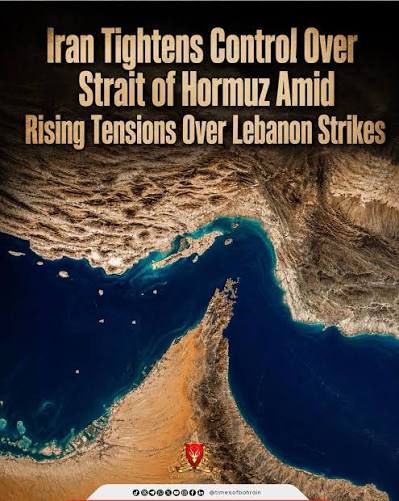
The Strait of Hormuz, one of the world’s most strategically important maritime chokepoints, is once again at the center of global attention after evacuation operations for stranded vessels were temporarily halted following a reported attack on a cargo ship. The latest incident has intensified concerns over regional stability, global energy security, and international shipping as tensions involving Iran continue to rise. Recent reports indicate that the suspension followed security concerns after a commercial vessel was struck, prompting maritime authorities to reassess evacuation efforts.
The development has sent shockwaves through international markets, governments, and shipping companies alike. Every disruption in the Strait of Hormuz carries worldwide implications because roughly one-fifth of globally traded oil typically passes through this narrow waterway.
This article examines what happened, why the Strait of Hormuz matters, how the latest developments could affect global markets, and what may happen next.
Why The Strait Of Hormuz Matters
The Strait of Hormuz connects the Persian Gulf to the Gulf of Oman and ultimately the Arabian Sea. Despite being only about 33 kilometers (21 miles) wide at its narrowest point, it serves as one of the world’s busiest energy corridors.
Every day, millions of barrels of crude oil and liquefied natural gas travel through the passage toward markets in Asia, Europe, and North America.
Countries that rely heavily on this route include:
- Saudi Arabia
- United Arab Emirates
- Kuwait
- Iraq
- Qatar
- Iran
Because so much global energy depends on uninterrupted shipping through the strait, even minor disruptions can trigger significant reactions in oil prices and international financial markets.
What Happened?
According to multiple reports, a cargo vessel operating near the Strait of Hormuz was attacked amid ongoing regional tensions.
Following the incident:
- Maritime authorities suspended evacuation operations.
- Ships waiting for escorted passage faced additional delays.
- Commercial shipping traffic slowed considerably.
- Several shipping firms reassessed risk levels before entering the region.
The United Nations’ maritime agency reportedly paused its operation intended to move stranded ships safely through the region until security conditions improve.
Rising Iran Tensions Increase Regional Uncertainty
The latest developments come amid already elevated tensions involving Iran and Western powers.
In recent months, the region has experienced:
- Increased naval deployments
- Drone activity
- Missile threats
- Attacks on commercial shipping
- Diplomatic disputes over maritime transit
These incidents have heightened concerns that commercial vessels could become unintended victims of broader geopolitical conflicts.
Iran has repeatedly emphasized its strategic importance in the Gulf while regional governments continue to call for safe navigation through international waters.
Why Evacuations Were Halted
The evacuation effort was designed to help hundreds of commercial vessels and thousands of seafarers stranded due to ongoing security concerns.
However, after the reported ship attack:
- Authorities determined conditions were no longer safe.
- Escort operations were suspended.
- Additional security reviews were initiated.
- Shipping companies were advised to exercise extreme caution.
The decision reflects the complex security environment currently facing international maritime organizations.
Global Shipping Faces Fresh Challenges
Commercial shipping companies must constantly evaluate risks before entering conflict-prone waters.
The latest suspension creates several operational challenges:
Delayed Cargo Deliveries
Ships carrying oil, chemicals, consumer goods, and industrial materials may experience delays.
Increased Insurance Costs
War-risk insurance premiums often rise sharply following security incidents.
Route Adjustments
Some vessels may seek alternative routes, although few practical options exist for shipments originating in the Persian Gulf.
Higher Freight Costs
Longer waiting periods and increased security measures can raise transportation expenses.
Impact On Global Oil Prices
Energy markets closely monitor every development in the Strait of Hormuz.
Immediately following news of the attack:
- Oil prices initially climbed due to supply concerns.
- Markets later stabilized somewhat as some shipping activity cautiously resumed.
- Analysts continue monitoring whether disruptions become prolonged.
Even temporary interruptions can influence:
- Fuel prices
- Airline operating costs
- Manufacturing expenses
- Consumer inflation
Why Markets React So Quickly
Financial markets dislike uncertainty.
When investors hear about possible shipping disruptions, they often anticipate:
- Reduced oil supplies
- Increased transportation costs
- Inflation risks
- Lower corporate earnings
As a result, commodity prices often respond within minutes of major geopolitical developments.
Maritime Security Remains A Top Priority
International naval forces continue monitoring the region.
Their primary objectives include:
- Protecting commercial shipping
- Preventing escalation
- Supporting freedom of navigation
- Coordinating with international maritime agencies
Many countries have increased surveillance and intelligence-sharing efforts to reduce risks to commercial vessels.
The Human Impact
While oil markets dominate headlines, thousands of seafarers remain directly affected.
Many crews have:
- Waited weeks for safe passage
- Experienced uncertainty regarding evacuation
- Faced extended deployments
- Encountered logistical challenges
The suspension of evacuation efforts adds further stress to already difficult working conditions.
Diplomatic Efforts Continue
Governments worldwide continue urging restraint.
Diplomatic priorities include:
- Preventing military escalation
- Restoring confidence in maritime trade
- Protecting civilian shipping
- Maintaining energy market stability
Negotiations remain ongoing, although significant challenges persist.
Economic Consequences Could Extend Beyond Energy
The Strait of Hormuz transports more than oil.
It also supports trade involving:
- Petrochemicals
- Consumer products
- Industrial equipment
- Food supplies
- Construction materials
Extended disruptions could therefore affect multiple industries beyond the energy sector.
Insurance Industry Responds
Marine insurers continuously evaluate geopolitical risks.
Recent developments could result in:
- Higher premiums
- More restrictive coverage
- Additional voyage approvals
- Enhanced security requirements
Shipping companies often factor these costs into freight pricing.
Could Alternative Routes Help?
Alternative export routes exist but have limitations.
Some Gulf countries have invested in pipelines that bypass the Strait of Hormuz.
However:
- Capacity remains limited.
- Not every exporter can avoid the strait.
- Most global energy exports still depend on maritime transit.
Consequently, the Strait remains indispensable to international trade.
What Experts Are Watching Next
Analysts will closely monitor several developments:
Maritime Traffic
Whether commercial shipping resumes normal operations.
Oil Production
Potential production adjustments by Gulf exporters.
Diplomatic Talks
Any progress toward reducing regional tensions.
Military Activity
Naval deployments and security measures.
Energy Prices
Whether supply concerns lead to sustained price increases.
Potential Scenarios
Several outcomes remain possible.
Scenario 1: Rapid Stabilization
Security improves quickly, allowing evacuation operations and shipping traffic to resume.
Scenario 2: Continued Disruptions
Periodic attacks continue causing intermittent shipping delays.
Scenario 3: Broader Escalation
Regional conflict expands, creating more significant economic consequences.
Most analysts hope diplomacy prevents the third scenario.
International Cooperation Will Be Critical
Maintaining safe navigation through the Strait of Hormuz requires cooperation among:
- Regional governments
- International maritime organizations
- Naval forces
- Shipping companies
- Energy producers
Coordinated action remains essential to reducing risks and restoring confidence.
Conclusion
The suspension of evacuation operations in the Strait of Hormuz highlights the fragile security situation in one of the world’s most vital maritime corridors. The reported attack on a commercial vessel has renewed concerns over shipping safety, energy security, and regional stability. While some maritime traffic has cautiously resumed, authorities remain focused on ensuring safe passage before fully restarting evacuation efforts.
As governments pursue diplomatic solutions and maritime agencies continue assessing security conditions, businesses, investors, and consumers around the world will be watching developments closely. Given the Strait of Hormuz’s central role in global trade, even temporary disruptions can have far-reaching economic and geopolitical consequences.
Frequently Asked Questions (FAQs)
What is the Strait of Hormuz?
The Strait of Hormuz is a narrow waterway connecting the Persian Gulf with the Gulf of Oman. It is one of the world’s busiest oil shipping routes.
Why were evacuations halted?
Evacuation operations were paused after a reported attack on a commercial vessel raised safety concerns for ships and crews.
Why is this important to global markets?
A significant share of global oil exports passes through the Strait of Hormuz. Disruptions can affect energy prices, shipping costs, and broader economic activity.
Could oil prices continue rising?
Oil prices may remain volatile depending on security conditions, shipping activity, and future geopolitical developments.
Are commercial ships still using the Strait?
Some vessels have resumed transits, but shipping traffic remains below normal levels as companies evaluate security risks.
How useful was this post?
Click on a star to rate it!
Average rating 0 / 5. Vote count: 0
No votes so far! Be the first to rate this post.
About the Author

usa5911.com
Administrator
Hi, I’m Gurdeep Singh, a professional content writer from India with over 3 years of experience in the field. I specialize in covering U.S. politics, delivering timely and engaging content tailored specifically for an American audience. Along with my dedicated team, we track and report on all the latest political trends, news, and in-depth analysis shaping the United States today. Our goal is to provide clear, factual, and compelling content that keeps readers informed and engaged with the ever-changing political landscape.