U.S. Treasury Secretary Scott Bessent has once again found himself at the center of political and economic debate after declaring, “This has been a blowout,” while highlighting what the Trump administration considers significant economic and trade successes. His remarks quickly spread across news outlets and social media, with supporters praising the administration’s policies and critics questioning whether the optimistic assessment matches the broader economic picture.
Bessent has become one of the administration’s leading voices on economic policy, regularly defending its approach to tariffs, manufacturing, tax policy, and international trade negotiations. According to the Treasury Department, the administration believes its strategy is designed to strengthen American industry, encourage domestic investment, and reduce dependence on foreign supply chains.
His latest comments come during an important period for the U.S. economy. Markets continue to watch inflation, interest rates, trade negotiations, and federal fiscal policy. Every major statement from senior officials can influence investor confidence and shape public expectations.
Why Scott Bessent Says “This Has Been a Blowout”
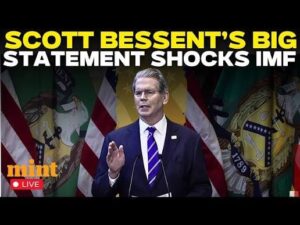
The phrase “This has been a blowout” was used to emphasize what Bessent described as strong results from the administration’s economic agenda. Administration officials argue that recent trade policies, efforts to encourage domestic manufacturing, and negotiations with international partners have produced meaningful progress.
According to Bessent, the administration believes its economic strategy is different from previous decades of globalization. Rather than focusing primarily on lower consumer prices through imports, officials say their priority is rebuilding American production capacity and improving long-term economic security.
Supporters argue that stronger industrial investment, supply-chain resilience, and strategic trade policies will ultimately create more stable economic growth. Critics, however, contend that tariffs and aggressive trade measures may increase costs for businesses and consumers while creating uncertainty in global markets.
The Administration’s Economic Message
Throughout recent speeches and interviews, Bessent has consistently defended the administration’s “America First” economic philosophy.
He argues that previous economic models placed too much emphasis on efficiency and global supply chains while overlooking domestic manufacturing and national resilience. In public remarks, Bessent has said the United States is pursuing policies intended to strengthen production, secure supply chains, and reduce strategic dependence on foreign competitors.
The Treasury Secretary also maintains that trade policy and national security are increasingly interconnected. Administration officials say investments in manufacturing and industrial capacity are intended to support both economic growth and long-term national competitiveness.
For supporters, these policies represent a major shift in economic priorities. For critics, the long-term costs and benefits remain subjects of continued debate.
About the Author