Kharg Island Showdown: Trump Threatens Takeover Of Iran’s Critical Oil Hub
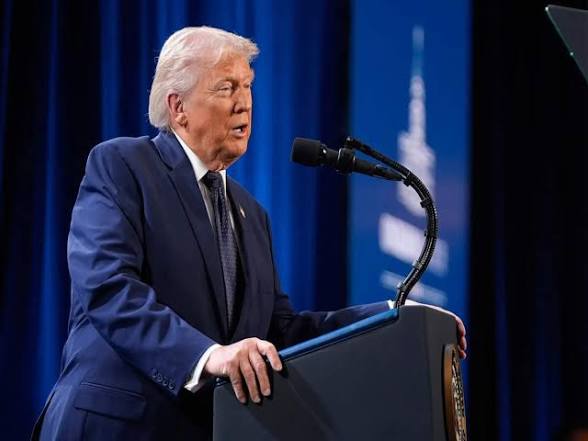
The Middle East crisis entered a dangerous new phase after President Donald Trump publicly threatened to seize Kharg Island, Iran’s most important oil-export terminal and a cornerstone of the country’s economy. The remarks, made amid escalating military exchanges between the United States and Iran, have sparked alarm across global energy markets and raised fears of a broader regional conflict.
Kharg Island is not just another strategic location in the Persian Gulf. The island handles approximately 90% of Iran’s crude oil exports and serves as the country’s primary oil-loading terminal. Any attempt to capture, blockade, or significantly disrupt operations there would have major consequences for Iran’s economy and global energy supplies.
As tensions continue to rise, analysts, governments, and investors are closely watching developments. The possibility of military action against one of the world’s most critical energy hubs has transformed Kharg Island into the focal point of the latest U.S.-Iran showdown.
Why Kharg Island Matters
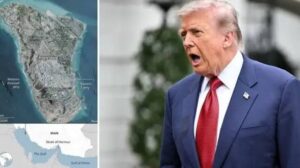
Located in the Persian Gulf, Kharg Island has long been considered Iran’s oil lifeline. The island hosts massive storage facilities, export terminals, and critical infrastructure supporting Iran’s petroleum industry. Experts estimate that nearly nine out of every ten barrels of Iranian crude exported internationally pass through Kharg Island.
Because of its strategic significance, Kharg Island has repeatedly been targeted during periods of regional conflict. During the Iran-Iraq War in the 1980s, the island suffered numerous attacks aimed at disrupting Iran’s oil exports.
Today, Kharg Island remains equally important. It represents one of the most valuable economic assets under Iranian control and serves as a major source of government revenue.
Trump’s Explosive Threat
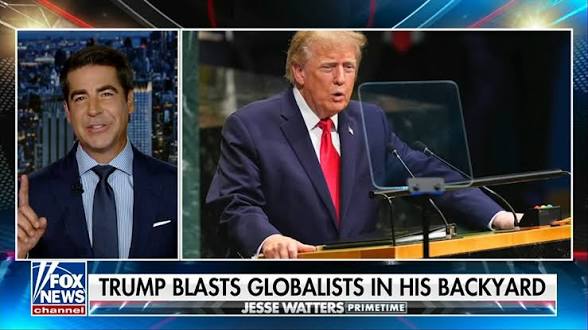
The latest controversy began when President Trump declared that the United States could take control of Kharg Island and Iran’s broader oil infrastructure. He also warned that additional military strikes against Iranian targets could occur if Tehran failed to alter its policies regarding the Strait of Hormuz and regional security.
According to multiple reports, Trump stated that the U.S. would strike Iran “very hard” and suggested that taking control of Kharg Island would allow America to influence Iran’s energy exports in a manner similar to previous interventions involving strategic energy resources.
However, Trump later appeared to soften his position somewhat, acknowledging uncertainty about whether Americans would support such a significant escalation.
Even with that clarification, the statement immediately attracted global attention and intensified concerns about the possibility of a broader military confrontation.
The Broader U.S.-Iran Conflict
Trump’s remarks come against the backdrop of months of escalating hostilities between Washington and Tehran.
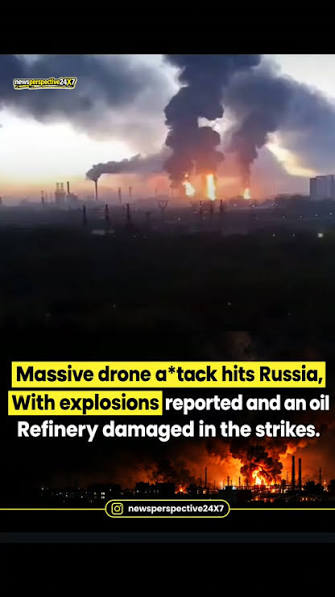
Recent reports indicate that U.S. and Iranian forces have exchanged strikes despite previous ceasefire efforts. Military operations have targeted surveillance systems, air-defense networks, and strategic facilities throughout the region.
At the center of the conflict remains Iran’s nuclear program, regional influence, and control over key maritime routes. U.S. officials continue to pressure Iran regarding nuclear activities and restrictions affecting international shipping. Meanwhile, Iranian leaders accuse Washington of aggression and violating international law.
The result is an increasingly volatile situation with consequences extending far beyond the Middle East.
Strait of Hormuz: The World’s Energy Chokepoint
Any discussion of Kharg Island inevitably leads to the Strait of Hormuz.
The narrow waterway connects the Persian Gulf to global shipping lanes and is one of the most important energy transit routes in the world. A substantial percentage of global oil exports pass through the strait every day.
Reports indicate that ongoing tensions have already disrupted shipping activity, creating uncertainty for energy markets and governments worldwide.
If conflict involving Kharg Island intensifies, the risk of further disruptions to the Strait of Hormuz could rise significantly.
Energy analysts warn that even limited interruptions can have substantial effects on oil prices, inflation, and economic stability.
Why the U.S. Sees Kharg Island as Strategic
From a military and economic perspective, Kharg Island represents an exceptionally valuable target.
Control over the island would potentially provide leverage over Iran’s most important export industry. It could reduce Tehran’s oil revenue, increase economic pressure, and strengthen Washington’s negotiating position.
Strategists note that targeting Kharg Island would strike directly at the financial foundation of Iran’s government. Because oil exports generate substantial revenue, any disruption could have immediate economic consequences.
However, many experts argue that controlling the island would be far more complicated than simply launching military strikes.
The Challenges of Taking Kharg Island
Military analysts remain skeptical about the feasibility of permanently occupying or controlling Kharg Island.
The island lies close to the Iranian mainland, placing any occupying force within range of Iranian missiles, drones, and naval assets. Maintaining long-term control would likely require significant military resources and expose troops to continuous threats.
Furthermore, any attempt to seize sovereign territory could provoke international criticism and potentially widen the conflict.
Even supporters of aggressive pressure against Iran acknowledge that a military occupation would involve considerable risks.
Global Oil Markets React
Financial markets reacted swiftly to Trump’s comments.
Oil prices experienced volatility as traders assessed the potential impact of further military escalation in the Gulf. Investors remain highly sensitive to developments involving major energy-producing regions, particularly when shipping routes and export infrastructure are involved.
While some analysts believe the rhetoric may be intended primarily to increase negotiating pressure on Tehran, others warn that markets cannot ignore the possibility of real military action.
Energy companies, shipping firms, and governments continue monitoring developments closely.
Economic Consequences for Iran
The Iranian economy relies heavily on oil exports despite years of sanctions and international pressure.
A prolonged disruption at Kharg Island could significantly reduce export revenues, limit foreign currency inflows, and intensify economic challenges facing the country.
Because Kharg Island processes the overwhelming majority of Iranian crude exports, damage to facilities or restrictions on shipping could affect government finances almost immediately.
Such pressure may increase incentives for negotiations, but it could also encourage further escalation if Iranian leaders perceive the threat as existential.
International Reactions
World powers have responded cautiously to the latest developments.
Countries dependent on Middle Eastern energy supplies are particularly concerned about the possibility of disruptions. Major economies in Asia and Europe rely on stable energy flows through the Gulf.
Meanwhile, governments have renewed calls for diplomacy and de-escalation. Reports indicate that several international actors continue to support negotiations aimed at preventing a broader regional conflict.
The situation highlights the interconnected nature of global energy markets and geopolitical security.
Could This Be Negotiation Tactics?
Some experts believe Trump’s statements may be intended more as strategic pressure than a declaration of imminent military action.
Analysts cited in recent reports argue that threatening Kharg Island may be designed to force concessions regarding Iran’s nuclear activities, regional behavior, and restrictions affecting maritime trade.
Historically, strong public statements have often been used to strengthen negotiating positions before diplomatic talks.
Whether this strategy succeeds remains uncertain.
What Happens Next?
Several scenarios are possible.
The first is a return to serious negotiations. Under this outcome, threats against Kharg Island could become part of broader diplomatic bargaining.
A second possibility involves continued limited military exchanges without direct attempts to seize territory.
The most concerning scenario would involve direct attacks on major energy infrastructure, potentially triggering wider regional conflict and significant economic disruption.
At present, policymakers, military planners, and investors are preparing for all three possibilities.
The Stakes for the World
The significance of Kharg Island extends far beyond Iran.
The island sits at the intersection of energy security, international trade, military strategy, and global economic stability. Any major disruption there would affect oil prices, inflation, shipping costs, and diplomatic relations worldwide.
For this reason, Trump’s comments have resonated far beyond Washington and Tehran.
The coming weeks may determine whether the current crisis evolves into a broader confrontation or becomes another chapter in the long-running struggle between the United States and Iran.
Conclusion
Trump’s threat to take control of Kharg Island has elevated tensions in an already volatile region. As Iran’s most important oil-export hub, the island occupies a critical position in both the country’s economy and global energy markets.
Whether the remarks represent genuine military planning or a negotiating tactic, they have intensified scrutiny of the U.S.-Iran conflict and increased concerns about future stability in the Persian Gulf. With oil markets, international governments, and military leaders watching closely, Kharg Island has become one of the most strategically significant locations in the world today.
FAQs
What is Kharg Island?
Kharg Island is Iran’s primary oil-export terminal located in the Persian Gulf. It handles roughly 90% of the country’s crude oil exports.
Why is Kharg Island important?
The island is crucial to Iran’s economy because it serves as the main hub for exporting oil and storing petroleum products.
What did Trump say about Kharg Island?
Trump stated that the United States could take control of Kharg Island and threatened further military action against Iran.
Could the U.S. actually seize Kharg Island?
Military analysts say it would be extremely difficult due to the island’s proximity to Iran and the risks associated with a prolonged occupation.
How would a conflict over Kharg Island affect oil prices?
Any disruption to Kharg Island or nearby shipping routes could increase oil prices and create volatility in global energy markets.
Why is the Strait of Hormuz connected to this issue?
Kharg Island exports depend on access to the Strait of Hormuz, one of the world’s most important oil transit routes. Disruptions there can impact global energy supplies.
How useful was this post?
Click on a star to rate it!
Average rating 0 / 5. Vote count: 0
No votes so far! Be the first to rate this post.
About the Author

usa5911.com
Administrator
Hi, I’m Gurdeep Singh, a professional content writer from India with over 3 years of experience in the field. I specialize in covering U.S. politics, delivering timely and engaging content tailored specifically for an American audience. Along with my dedicated team, we track and report on all the latest political trends, news, and in-depth analysis shaping the United States today. Our goal is to provide clear, factual, and compelling content that keeps readers informed and engaged with the ever-changing political landscape.