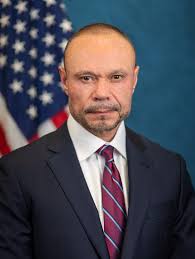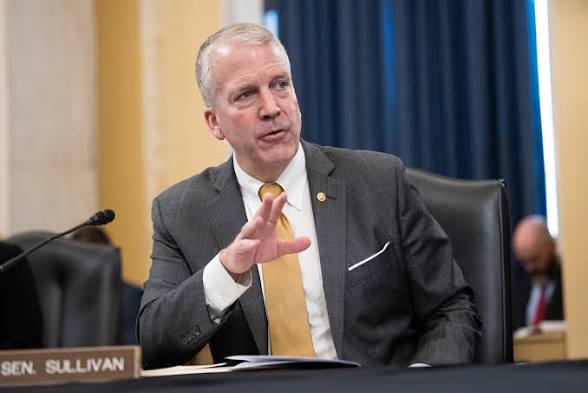
National political organizations have already become involved in discussions surrounding the race. Statements from party leaders and campaign committees suggest that both sides recognize the importance of every potential advantage heading into the election season.
The debate has therefore become part of a larger conversation about campaign ethics and election administration across the United States.
Voter Confusion and Election Integrity

One of the central questions emerging from the controversy is whether identical candidate names can create meaningful voter confusion.
Election experts note that ballot design plays a critical role in helping voters make informed decisions. When multiple candidates share the same name, election officials often rely on additional identifying information such as middle initials, party labels, or incumbency indicators.
In Alaska, discussions have intensified over whether current ballot formats provide sufficient clarity. Critics argue that more safeguards may be necessary, while others believe voters are capable of distinguishing between candidates using available information.
Regardless of the eventual outcome, the controversy has highlighted broader concerns about maintaining voter confidence in electoral systems.
Dan Sullivan’s Broader Political Position
The current Senate clash arrives during a period when Sullivan is already navigating several significant political debates.
Throughout 2026, he has remained active on issues involving federal spending, energy policy, national security, and relations with the Trump administration. His voting record and policy positions continue to generate strong reactions from both supporters and critics.
Recent votes have demonstrated moments where Sullivan has aligned with his party as well as occasions where he has broken ranks. Those decisions have attracted attention from national media outlets and political observers seeking clues about the evolving dynamics within the Republican Party.
As a result, the current election controversy intersects with broader debates about leadership, representation, and political accountability.
Public Reaction to the Senate Clash
Public reaction has been mixed.
Supporters of Senator Sullivan argue that the situation raises legitimate concerns about election fairness. They believe voters should be protected from any circumstance that could unintentionally distort electoral outcomes.
Others view the controversy differently. They argue that democracy depends on open access to the ballot and that candidates should not be prevented from running simply because they share a name with another politician.
Online discussions, media commentary, and political analysis have reflected this divide. Many Americans see the issue as an important test of how election systems manage unusual but legally permissible situations.
The intensity of the debate demonstrates how questions of election administration can quickly become major political stories.
What Happens Next?
Several possible developments could shape the next phase of the controversy.
First, legal challenges remain a possibility. Senator Sullivan has indicated that he is considering legal avenues to further investigate the circumstances surrounding the candidacy.
Second, election officials may face increasing pressure to clarify ballot procedures and voter information practices.
Third, public attention could continue to grow as the primary election approaches and voters begin paying closer attention to candidate choices.
The outcome of these developments may influence not only Alaska’s Senate race but also future discussions about election administration nationwide.
The Bigger Picture
Beyond the immediate political drama, the Dan Sullivan Senate clash raises fundamental questions about democracy.
How should election systems balance open participation with voter clarity?
What responsibilities do political parties have when unusual circumstances emerge?
How can election officials ensure fairness while respecting candidates’ legal rights?
These questions extend far beyond Alaska. They touch on challenges faced by democracies around the world as they seek to maintain public trust in electoral institutions.
The answers may help shape future reforms and influence how similar situations are handled in years to come.
Conclusion
The controversy surrounding Dan Sullivan’s Senate race has evolved into a national political story because it combines high electoral stakes with important questions about democracy and voter confidence.
As Senator Dan Sullivan pushes back against what he views as a threat to electoral fairness, supporters and critics continue to debate the implications. The presence of another candidate with the same name has transformed a routine campaign into a closely watched political showdown.
With the Senate balance potentially hanging in the balance and public interest continuing to grow, the dispute is likely to remain a major topic throughout the election season.
Whether the controversy ultimately changes the outcome of the race or simply sparks broader conversations about election reform, one thing is clear: the Dan Sullivan Senate clash has become one of the most intriguing political debates of 2026.
Frequently Asked Questions (FAQs)
Who is Dan Sullivan?
Dan Sullivan is a Republican U.S. Senator representing Alaska and is seeking reelection in the 2026 Senate race.
Why is Dan Sullivan in the news?
He is involved in a controversy surrounding another candidate with the same name entering Alaska’s Senate race, raising concerns about potential voter confusion.
Is the second Dan Sullivan a legitimate candidate?
Yes. The challenger maintains that he is a legitimate candidate running to represent Alaskans and rejects claims that his candidacy exists solely to create confusion.
Why is Alaska’s Senate race important?
The race is viewed as nationally significant because it could affect the balance of power in the U.S. Senate.
Could legal action occur?
Senator Sullivan has indicated that legal action remains a possibility as questions surrounding the candidacy continue to be debated.
What is ranked-choice voting?
Ranked-choice voting allows voters to rank candidates in order of preference rather than selecting only one candidate, a system currently used in Alaska elections.
About the Author