Makerfield By-Election: Green Party Campaign Surge, Voter Pressure, Britain Reacts
The Makerfield by-election is rapidly emerging as one of the most significant political battles in modern British politics. What initially appeared to be a routine Labour-held seat is now turning into a national political flashpoint involving the Green Party, Labour, Reform UK, and growing public frustration across Britain.
The upcoming contest has intensified following the expected return of Andy Burnham to Westminster politics. Labour insiders see the by-election as a critical test of party leadership, while the Green Party views it as another opportunity to build on its recent momentum after historic victories earlier in 2026.
Across Britain, voters are reacting strongly to economic pressure, rising living costs, housing concerns, NHS strain, and political dissatisfaction. The Makerfield by-election has become more than a local race. It is now being treated as a national referendum on Britain’s political future.
Recent reporting suggests the Green Party intends to seriously contest the seat rather than stand aside for Labour, despite pressure from some progressive voices to avoid splitting the vote.
Why the Makerfield By-Election Matters
The Makerfield constituency has traditionally been considered Labour territory. However, Britain’s political landscape has shifted dramatically over the past year.
The rise of smaller parties, especially the Greens and Reform UK, has transformed many once-safe constituencies into competitive battlegrounds. Analysts now describe Britain as entering a “multi-party era,” where traditional two-party dominance is weakening.
Makerfield matters for several reasons:
- It could shape Labour’s internal leadership debate.
- It will test whether the Green Party’s recent success can continue.
- Reform UK hopes to convert anti-establishment frustration into votes.
- Voters are using by-elections to send protest messages to mainstream parties.
Political observers believe the result could influence the direction of British politics heading into the next general election.
Green Party Campaign Gains Momentum
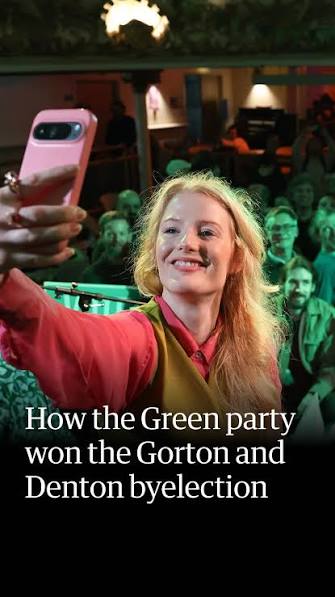
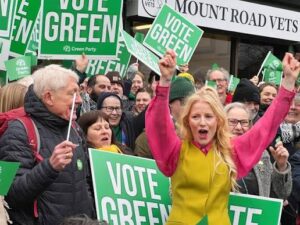
The Green Party enters the Makerfield by-election with growing confidence. Earlier this year, the party secured a historic parliamentary by-election victory in Gorton and Denton, shocking Labour and dramatically changing political expectations.
That victory demonstrated several important trends:
- Younger voters are increasingly open to Green policies.
- Progressive voters are moving away from Labour in some urban areas.
- Climate-focused politics now overlaps with broader economic concerns.
- Tactical voting patterns are changing.
The Green Party’s leadership under Zack Polanski has also energized supporters nationwide. Membership numbers have surged, while polling has improved significantly since late 2025.
In Makerfield, Greens are expected to focus on:
- Affordable housing
- Cost-of-living pressures
- Public transport
- NHS investment
- Environmental policy
- Anti-establishment messaging
Party strategists believe frustration with both Labour and Conservatives gives them a genuine opening.
Labour Under Pressure
Labour faces intense scrutiny heading into the by-election.
The expected candidacy of Andy Burnham has transformed the race into a national story. Burnham remains one of Labour’s most recognizable political figures and continues to attract strong support among traditional Labour voters.
However, his return has also exposed growing tensions within the party.
Recent reports indicate several Labour figures believe Burnham represents the party’s strongest chance of holding the seat.
At the same time, critics argue Labour is struggling to connect with voters facing economic difficulties and declining trust in mainstream politics.
The by-election has become closely linked to debates surrounding Keir Starmer and the broader direction of Labour leadership.
Political commentators say Labour faces pressure from both sides:
- Reform UK threatens Labour’s working-class base.
- The Greens are targeting progressive and younger voters.
This creates a difficult balancing act for the party.
Reform UK Adds Another Layer of Competition
The Makerfield by-election is not simply a Labour-versus-Green contest.
Nigel Farage and Reform UK are expected to aggressively target the seat. Reports suggest Reform performed strongly in surrounding local elections and sees Makerfield as a major opportunity.
Reform UK’s strategy focuses heavily on:
- Immigration concerns
- Economic frustration
- Anti-establishment messaging
- Criticism of Westminster politics
- Public dissatisfaction with major parties
This creates the possibility of a three-way political contest, something increasingly common in Britain’s changing electoral environment.
Experts warn that split opposition votes could produce unpredictable outcomes.
Britain’s Political Landscape Is Changing
The Makerfield by-election reflects broader national political changes.
Over the past year, Britain has seen:
- Falling trust in traditional parties
- Increased support for smaller political movements
- Greater volatility in by-election voting
- Rising frustration over inflation and public services
- Growing political fragmentation
Many voters no longer feel strong loyalty to a single political party.
Recent elections and polling indicate that political identity is becoming more fluid, particularly among younger voters and economically frustrated communities.
This environment benefits parties capable of presenting themselves as outsiders or reform movements.
Why Voters Are Paying Attention
Public interest in the Makerfield by-election has expanded beyond the constituency itself.
Across social media and political commentary, many people see the race as symbolic of Britain’s broader political tensions.
Several issues dominate voter discussions:
Cost of Living Crisis
Rising energy bills, food prices, and housing costs remain central concerns for British households.
Many voters feel mainstream parties have failed to deliver meaningful economic relief.
NHS and Public Services
Healthcare waiting times and NHS funding continue to drive political frustration.
Voters frequently cite public services as a key reason for reconsidering party loyalty.
Housing Pressure
Housing affordability has become especially important among younger voters.
The Greens hope to capitalize on frustration surrounding rent costs and housing shortages.
Political Trust
Trust in Westminster institutions remains fragile.
By-elections increasingly act as protest votes against established political leadership.
Green Party Strategy in Makerfield
The Green Party’s approach appears carefully designed to replicate lessons learned from Gorton and Denton.
Key campaign themes are expected to include:
- Community-focused campaigning
- Grassroots organizing
- Economic fairness
- Climate-linked local policies
- Tactical progressive voting
The party also hopes to attract voters disappointed with Labour but unwilling to support Reform UK.
Green strategists believe the political moment favors alternatives to traditional party structures.
Media Attention Intensifies
British media outlets have dramatically increased coverage of the by-election.
Analysts now regularly describe the contest as a defining political test for several national figures.
The race has gained attention because it combines:
- Leadership speculation
- Rising Green Party momentum
- Reform UK expansion
- Labour instability
- National political anxiety
Some commentators even argue the by-election could shape future leadership debates inside Labour.
Could the Greens Actually Win?
While Labour still holds structural advantages in Makerfield, the Greens are no longer being dismissed as symbolic challengers.
Several developments support their optimism:
- Strong recent by-election performance
- Rising national membership
- Growing youth engagement
- Increased tactical voting
- Expanding media visibility
The Green Party’s historic 2026 success demonstrated that under the right circumstances, they can convert momentum into parliamentary victories.
However, winning Makerfield would still require overcoming major electoral obstacles.
Labour’s Biggest Concern
Labour’s greatest fear may not simply be losing the seat.
Instead, party strategists worry the by-election could expose long-term weaknesses among core voter groups.
If Labour struggles heavily against both Reform and the Greens, it may signal deeper fragmentation within Britain’s centre-left coalition.
That would have consequences far beyond Makerfield.
Social Media Reaction Across Britain
Online reaction to the by-election has been intense.
Supporters of the Green Party describe the race as evidence that Britain is ready for new political alternatives.
Labour supporters argue progressive voters must avoid splitting the vote against Reform UK.
Meanwhile, Reform supporters claim the contest reflects widespread dissatisfaction with establishment politics.
Political hashtags connected to Makerfield have trended across British social platforms, showing unusually high engagement for a parliamentary by-election.
What Happens Next?
The next stages of the campaign will likely focus on:
- Candidate announcements
- Local debates
- Tactical voting discussions
- National leadership messaging
- Grassroots campaigning
The timing of the by-election could also influence Labour’s internal political calculations.
For the Greens, Makerfield represents an opportunity to prove their recent victories were not isolated events.
For Labour, it is a high-pressure test of credibility.
For Reform UK, it is another chance to demonstrate growing influence in northern England.
Conclusion
The Makerfield by-election has evolved into one of Britain’s most important political contests of 2026.
What began as a local parliamentary vacancy now reflects national anxiety about leadership, economic pressure, voter trust, and political identity.
The Green Party’s campaign surge highlights the growing appetite for alternatives to traditional political structures. Labour faces pressure from multiple directions, while Reform UK continues building momentum among dissatisfied voters.
As Britain reacts to rising costs, political uncertainty, and shifting loyalties, the Makerfield by-election could become a defining moment in the country’s political future.
Whether Labour retains the seat, the Greens achieve another breakthrough, or Reform UK reshapes the race entirely, the outcome will send a powerful signal across British politics.
FAQs
What is the Makerfield by-election?
The Makerfield by-election is a parliamentary contest triggered after the sitting MP stepped down, creating a vacancy in the constituency.
Why is the Makerfield by-election important?
The election is seen as a major political test involving Labour, the Green Party, and Reform UK during a period of growing voter dissatisfaction in Britain.
Why is the Green Party gaining attention?
The Green Party recently achieved historic electoral success and has experienced rising membership, stronger polling, and increased national visibility.
Who is Andy Burnham?
Andy Burnham is the Mayor of Greater Manchester and a senior Labour figure expected to play a central role in the by-election.
How could the by-election affect Labour?
A poor result could intensify pressure on Labour leadership and highlight concerns about voter dissatisfaction among traditional supporters.
Is Reform UK expected to perform strongly?
Yes. Reform UK has recently gained momentum in several local elections and is expected to target the constituency aggressively.
Could the Greens actually win Makerfield?
While Labour remains competitive, recent Green Party successes suggest the party could become a serious challenger under the right conditions.
What issues matter most to voters?
Key concerns include the cost of living crisis, NHS pressure, housing affordability, economic uncertainty, and political trust.
How useful was this post?
Click on a star to rate it!
Average rating 0 / 5. Vote count: 0
No votes so far! Be the first to rate this post.
About the Author

usa5911.com
Administrator
Hi, I’m Gurdeep Singh, a professional content writer from India with over 3 years of experience in the field. I specialize in covering U.S. politics, delivering timely and engaging content tailored specifically for an American audience. Along with my dedicated team, we track and report on all the latest political trends, news, and in-depth analysis shaping the United States today. Our goal is to provide clear, factual, and compelling content that keeps readers informed and engaged with the ever-changing political landscape.