82nd Airborne Deployment: US Iran War Alert, Rapid Strike Force, Middle East Escalation
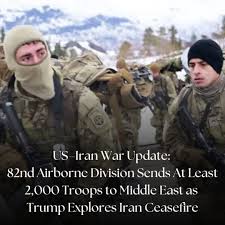
The deployment of the 82nd Airborne Division to the Middle East has triggered global concern, signaling a potential escalation in the ongoing US-Iran conflict of 2026. As tensions intensify, this elite rapid-response force stands at the center of a geopolitical storm that could reshape global security, oil markets, and military strategy.
Reports confirm that thousands of US troops are being mobilized, raising critical questions: Is this a deterrence move, or the beginning of a larger ground operation? What role will this rapid strike force play in the Middle East escalation?
This article breaks down everything you need to know.
What Is the 82nd Airborne Division?
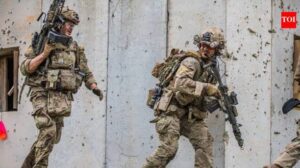
The 82nd Airborne Division is one of the United States Army’s most elite units, known for its ability to deploy anywhere in the world within hours.
- Based in Fort Bragg, North Carolina
- Specialized in parachute assault operations
- Core of the Immediate Response Force (IRF)
- Capable of deploying within 18 hours
Historically, the division has been used in high-stakes missions, from World War II operations in Europe to rapid deployments in Iraq and Afghanistan.
Its role is clear: strike fast, secure key positions, and stabilize volatile situations.
Why the 82nd Airborne Deployment Matters Now
The 2026 Iran war has already entered a dangerous phase. The United States and Israel launched coordinated strikes in late February, triggering retaliatory missile and drone attacks from Iran across the region.
Now, the deployment of the 82nd Airborne signals a shift from air warfare to potential ground readiness.
Key Developments:
- 3,000–4,000 troops expected to deploy
- Rapid-response units placed on high alert
- Additional naval and Marine forces already positioned
This indicates a broader military buildup — the largest in the region in years.
US Iran War Alert: What Triggered the Escalation?
The current crisis stems from multiple overlapping factors:
1. Nuclear Tensions
The US has accused Iran of advancing its nuclear capabilities, increasing fears of weaponization.
2. Regional Instability
Iran’s involvement in proxy conflicts across the Middle East has intensified hostilities.
3. Direct Military Confrontation
Joint US-Israel strikes on Iranian targets escalated the situation into open conflict.
4. Retaliatory Attacks
Iran has responded with missile and drone strikes on US bases and allied nations.
Rapid Strike Force: What Makes the 82nd Airborne Unique?
The 82nd Airborne Division is not a conventional force. It is designed for speed, surprise, and precision.
Key Capabilities:
1. Lightning Deployment
Troops can deploy within hours, making them ideal for sudden crises.
2. Airborne Assault
They can parachute directly into hostile territory, bypassing traditional entry routes.
3. Strategic Target Seizure
Typical missions include:
- Capturing airfields
- Securing infrastructure
- Reinforcing embassies
4. Global Reach
The unit can operate anywhere, without reliance on local bases.
Experts note that this ability allows the US to project power without prolonged buildup, making it a critical tool in fast-moving conflicts.
Middle East Escalation: What Could Happen Next?
The deployment raises several possible scenarios:
Scenario 1: Deterrence Only
The US may be signaling strength to discourage further Iranian aggression.
Scenario 2: Limited Ground Operations
The 82nd Airborne could be used for:
- Securing strategic sites
- Supporting special operations
- Protecting US personnel
Scenario 3: Full-Scale War Expansion
If tensions escalate further, this deployment could mark the beginning of broader ground involvement.
Scenario 4: Strait of Hormuz Control
Control of this critical oil route remains a key objective in the conflict.
Global Impact of the Deployment
1. Oil Prices and Economy
The Middle East is central to global oil supply. Any escalation could:
- Spike oil prices
- Disrupt global markets
- Trigger inflation worldwide
2. Geopolitical Alliances
Countries may be forced to choose sides, increasing global polarization.
3. Military Readiness Worldwide
NATO and regional powers may increase defense postures.
4. Civilian Impact
Evacuations and travel disruptions are already underway due to the conflict.
Risks of Using Airborne Forces in Iran
While powerful, airborne units face challenges:
- Vulnerable during landing operations
- Limited heavy equipment compared to armored units
- Dependence on air superiority
Experts warn that these troops are highly effective for quick strikes, but prolonged combat requires additional support.
Historical Context: When Has the 82nd Airborne Been Deployed Before?
The division has played key roles in major conflicts:
- World War II – Normandy invasion
- Iraq (2020) – Embassy security response
- Afghanistan (2021) – Kabul evacuation
These missions highlight its role as a first-response combat unit in crisis zones.
US Strategy: Why Now?
The timing of the deployment suggests a calculated strategy:
1. Pressure on Iran
Military presence strengthens negotiating leverage.
2. Support for Allies
Reassures Israel and Gulf nations.
3. Rapid Response Preparedness
Ensures readiness for sudden escalation.
4. Control of Strategic Assets
Targets like oil infrastructure and shipping lanes remain critical.
Public and Political Reactions
The deployment has sparked debate:
- Some view it as necessary deterrence
- Others fear it could lead to prolonged war
Reports indicate relatively low public support for escalation, reflecting war fatigue and economic concerns.
Is a Ground War Imminent?
Despite the deployment, officials have not confirmed plans for a full ground invasion.
However, the presence of the 82nd Airborne Division suggests that:
- The US is preparing for all scenarios
- Rapid escalation remains possible
- Diplomatic solutions are still being explored
Conclusion
The 82nd Airborne deployment marks a critical turning point in the US-Iran war of 2026. As one of the world’s most elite rapid strike forces, its presence in the Middle East sends a powerful signal.
Whether this move prevents war or accelerates it remains uncertain.
What is clear, however, is that the situation is highly volatile — and the world is watching closely.
FAQs
1. What is the 82nd Airborne Division?
It is an elite US Army unit specializing in rapid deployment and airborne assault operations.
2. Why is the 82nd Airborne being deployed?
To strengthen US military presence and prepare for potential escalation in the Iran conflict.
3. How fast can the 82nd Airborne deploy?
It can deploy within 18 hours as part of the Immediate Response Force.
4. Does this mean the US will invade Iran?
Not necessarily. The deployment may be for deterrence or limited operations.
5. What role could they play in the conflict?
They could secure key infrastructure, support operations, or respond to emergencies.
6. Why is the Middle East important in this conflict?
It is a critical region for global oil supply and geopolitical stability.
7. What are the risks of escalation?
Potential outcomes include wider war, economic disruption, and increased global tensions.
If you want, I can also generate featured image prompts, internal linking strategy, or schema markup for even better SEO performance.
How useful was this post?
Click on a star to rate it!
Average rating 0 / 5. Vote count: 0
No votes so far! Be the first to rate this post.
About the Author

usa5911.com
Administrator
Hi, I’m Gurdeep Singh, a professional content writer from India with over 3 years of experience in the field. I specialize in covering U.S. politics, delivering timely and engaging content tailored specifically for an American audience. Along with my dedicated team, we track and report on all the latest political trends, news, and in-depth analysis shaping the United States today. Our goal is to provide clear, factual, and compelling content that keeps readers informed and engaged with the ever-changing political landscape.