30-Nation Ban Coming? U.S. Reviews World’s Biggest Travel Restriction Plan
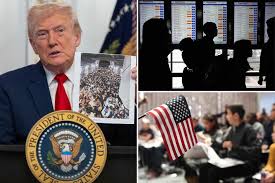
The US is set to extend its travel restrictions, potentially impacting more than 30 countries. Homeland Security Secretary Kristi Noem confirmed. Today we will discuss about 30-Nation Ban Coming? U.S. Reviews World’s Biggest Travel Restriction Plan
30-Nation Ban Coming? U.S. Reviews World’s Biggest Travel Restriction Plan
In December 2025, the U.S. Department of Homeland Security (DHS) announced plans to expand its travel ban to more than 30 countries — a move that, if implemented, could become the largest sweeping travel restriction in recent U.S. history.
The announcement sent shock waves through the global community, fueling anxiety within diaspora communities, speculation among governments, and concern across the travel, education, and business sectors worldwide.
In this piece, we dive deep into what this proposed ban means: how we got here; what we know so far about the affected nations; what factors are driving the expansion; the potential humanitarian, economic, and diplomatic consequences; and what remains uncertain as of now.
Background: From 2017’s Travel Restrictions to 2025’s New Push

To understand the 2025 expansion, it helps to recall previous U.S. travel bans and the evolving political backdrop:
In 2017, under Donald J. Trump’s earlier presidency, the U.S. imposed a broad travel ban via Executive Order 13780 (and its predecessor Executive Order 13769), targeting several Muslim-majority countries.
That ban sparked global debate — hailed by supporters as a measure to protect national security; condemned by critics as discriminatory and punitive.
The 2025 version reinstates and expands this approach under Trump’s renewed presidency. As of June 2025, a proclamation barred citizens of 12 countries entirely from entering the U.S., and imposed partial restrictions on seven more.
The full-ban list included Afghanistan, Myanmar, Chad, Republic of the Congo, Equatorial Guinea, Eritrea, Haiti, Iran, Libya, Somalia, Sudan, and Yemen. Partial restrictions applied to Burundi, Cuba, Laos, Sierra Leone, Togo, Turkmenistan, and Venezuela.
While the 2017 ban had faced legal challenges and partial court blocks, the new 2025 proclamation appears to aim for a more comprehensive and possibly indefinite enforcement — marking a renewed, harder line on immigration and travel.
What’s New in 2025: The Expansion to 30+ Countries
What the Authorities Say
On December 5, 2025, DHS Secretary Kristi Noem publicly confirmed that the U.S. is evaluating additional nations for inclusion in the travel ban — likely pushing the total to over 30 countries.
She declined to give a firm number but stated it would be “over 30,” and made clear the evaluation is ongoing.
Noem justified the expansion on the grounds of national security and the “ability of foreign governments to help vet individuals seeking entry.” She argued that allowing travelers from states with unstable governments or poor information‑sharing mechanisms posed risks.
She was quoted saying — in stark terms — that she had recommended a “full travel ban on every damn country that’s been flooding our nation with killers, leeches, and entitlement junkies.”
What We Know (and Don’t Know)
The expanded list is not yet public. Officials have not named the additional countries, citing ongoing evaluation.
Reports suggest the final list may include 30 to 32 countries — though this remains speculative.
Existing bans (12 full bans + 7 partial bans) remain in force. If expanded, new countries could face full or partial bans.
The criteria appear centered on governments deemed “unstable,” lack of cooperation with U.S. vetting processes, poor documentation systems, and risk of visa overstays or security threats.
The Trigger: Why Now?
Several catalysts seem to have converged, prompting what U.S. officials describe as a necessary, urgent crackdown on immigration and travel:
The Washington, D.C. Shooting
According to multiple reports, the expansion push followed a high-profile fatal shooting in Washington, D.C., involving an Afghan national who had previously entered the U.S. through humanitarian resettlement and was granted asylum.
This incident — which tragically involved the death of a member of the United States National Guard — has been cited by the administration as evidence that the existing vetting system failed. The administration claims the episode underscores the need for stricter immigration and entry controls.
Broader Policy Push: Immigration Crackdown
The expansion is part of a broader, increasingly aggressive immigration policy under Trump’s second term. The administration has signaled a broader review of asylum approvals, visa issuances, and “Green Card” grants — especially for immigrants from previously restricted nations.
In the words of the administration, this is about ensuring national security, controlling illegal immigration, preventing threats related to terrorism and overstays, and limiting entry from states with inadequate vetting systems.
Diplomatic Pressure, Global Instability, and Information Sharing Concerns
Another stated driver is that some governments, especially those with weak institutions or ongoing conflict, are unable (or unwilling) to properly help the U.S. vet their nationals. According to officials, such states pose a higher perceived risk — whether due to passport fraud, political instability, or lack of cooperation on law enforcement and deportation.
Who Would Be Affected — And What We Know So Far
At present, the full list of new countries under review remains undisclosed. However:
19 countries are already under full or partial ban.
Additional countries under consideration may come from regions such as Africa, Asia, and the Middle East; some media speculation has included nations beyond current restrictions.
According to some reports, the proposed expansion could target as many as 48 countries, depending on each country’s compliance with U.S. demands for security vetting and documentation standards.
The ban doesn’t only affect immigrants or asylum seekers; tourism, business travel, education visas, student exchanges, and potentially athletic or cultural exchanges could all be impacted.
For many ordinary citizens — students, professionals, travelers, families — this creates an atmosphere of uncertainty, confusion, and urgency.
Potential Consequences: Humanitarian, Economic, Diplomatic
If the 30‑nation ban is implemented, its consequences could be far-reaching. Here are several key areas likely to feel the impact:
1. Humanitarian and Social Impact
Refugees and asylum seekers from countries hit by the ban could be denied entry — even if fleeing conflict, persecution, or life-threatening situations. The expansion may severely affect people seeking refuge, family reunification, or safe passage.
Diaspora and immigrant communities already in the U.S. may face uncertainty. Some may have visas under review, pending renewals, or be subject to stricter vetting. Families separated by borders may experience hardship.
Global inequality and access to opportunities: Many of the targeted countries are lower‑income or conflict‑affected — meaning citizens from vulnerable regions may lose access to educational, professional, or migration opportunities offered by the U.S.
2. Economic Fallout: Travel, Education, Business
Travel industry: Airlines, hotels, and tourism-reliant sectors may lose significant revenue. Reduced travel from dozens of countries could mean fewer flights, less tourism, and weakened demand for hospitality.
International students and professionals: Students seeking education in U.S. universities, professionals on work visas, and global business travellers may face delays, denials, or cancellations — potentially hurting higher education institutions, tech companies, international conferences, and remote-work arrangements.
Remittances and global workforce mobility: Many emigrants send money back home; restrictions could hamper this flow, affecting economies of origin countries. The ripple effects of reduced diaspora mobility may also affect remittance-dependent families and communities abroad.
3. Diplomatic & Geopolitical Ramifications
Strain on U.S. relations with affected countries and regions: Governments that face potential bans may view this as hostile or discriminatory, prompting diplomatic backlash or calls for retaliation.
Global migration patterns shifting: As access to the U.S. becomes more difficult, migrants may increasingly turn to alternate destinations (e.g., Canada, European Union, Gulf countries), reshaping global migration flows.
International institutions, refugee regimes, and global cooperation under stress: The ban could undermine global asylum and refugee frameworks, especially if mass denials push vulnerable populations toward more dangerous routes or illegal migration.
Controversies and Criticism
Not surprisingly, the proposed expansion has ignited widespread controversy, both domestically in the U.S. and internationally.
Accusations of Discrimination and Collective Punishment
Critics argue that the ban — especially in its expanded form — amounts to collective punishment: targeting entire nations (and by extension, entire populations) based on the actions of individuals or structural conditions such as political instability.
Human rights organizations have warned that such sweeping bans risk violating principles of non-discrimination, fairness, and international humanitarian obligations, particularly toward refugees and asylum‑seekers.
There are concerns that the criteria (government “stability,” vetting cooperation, passport/documentation reliability) are vague, subjective, and may be applied unevenly or with bias.
Legal and Ethical Questions
Due process & fairness: Denying entry based on nationality rather than individual background or behavior arguably undermines principles of individualized assessment.
International law and obligations: The U.S. — as a signatory to various international human rights and refugee conventions — may face scrutiny for denying asylum or fleeing individuals without proper evaluation based on need or persecution risk.
Moral and reputational costs: Many argue that the U.S., long regarded as a safe haven and melting pot, risks tarnishing its global image and undermining ideals of freedom, opportunity, and refuge.
Potential Economic Backlash
While proponents argue the ban could enhance security, many economists warn the long-term economic damage — from lost tourism, reduced foreign students, declining remittances — could outweigh short-term political gains.
What Remains Unknown — and What to Watch
Several critical pieces remain shrouded in uncertainty:
Which countries will be added: DHS has not publicly released the names of the additional countries under review. This leaves citizens in limbo.
Exact criteria for selection: The yardstick for “unstable governments,” inadequate vetting, or security risk remains loosely defined.
Timeline and enforcement mechanisms: When will the ban take effect? Will there be exemptions? How will visas already issued, or green-card holders, be treated?
Legal challenges: There is a high possibility of legal challenges in U.S. courts and international legal forums.
Global response: Reactions from foreign governments, international bodies, human rights organizations — and possibly retaliatory measures — could influence whether the ban moves forward as currently envisioned.
How This Affects the World — And What Should People Do Now
For Potential Travellers, Students, Immigrants
Monitor official DHS announcements closely. Once the new list is made public, check whether your country is included.
Consider alternatives. Look into other destinations, or delay plans until visa/immigration policies clarify.
Prepare documentation carefully. Ensure passports, identity documents, background papers, and any relevant records are up‑to‑date.
Seek legal advice. For asylum seekers, immigrants, or those with long-term plans — consulting immigration attorneys may help understand your rights and possible routes forward.
For Governments and Diplomats
Assess bilateral relations with the U.S. Countries that fear being singled out may need to engage diplomatically, negotiate vetting cooperation, and address U.S. security or documentation concerns proactively.
Advocate for fair treatment and non‑discrimination. Governments and international bodies may need to push for individualized vetting rather than blanket bans.
Prepare for possible fallout. Restrictions may trigger migration to other countries, economic ripple effects, or retaliatory travel restrictions.
For Businesses, Travel Industry, and Educational Institutions
Reassess global mobility strategies. Multinational firms relying on expatriate employees or overseas partnerships may need contingency plans.
Universities and educational institutions should brace for possible drop in international admissions.
Travel, airlines, and tourism industries will need to prepare for decreased demand from many countries.
Broader Implications: Global Governance, Migration Trends, Geopolitics
Shifting migration corridors: With the U.S. less accessible, migrants may increasingly turn to other destinations.
Changing geopolitics and alliances: Countries affected by the bans may seek new alliances or deepen ties with non-U.S. powers.
Pressure on global refugee & asylum frameworks: Large-scale denial of entry to asylum-seekers may stretch pressures on other countries and international organizations.
Erosion of the “open, globalized world” model: The expansion reflects a broader trend of nationalist and security-driven governance.
Criticisms — And Why Many Believe the Policy is Flawed
1. Collective Punishment — Not Individual Assessment
Banning all citizens of entire countries lumps together individuals under a broad label of suspicion. Critics argue this violates the principle of individualized evaluation.
2. Human Rights and International Obligations
The move risks undermining global norms around asylum, human rights, and equal treatment. Denying asylum seekers based solely on nationality could run counter to international standards and humanitarian principles.
3. Ineffective and Counterproductive for Security
Blanket bans do not guarantee security. Motivated individuals can find alternate routes — illegal migration, forged documents, or third-country intermediaries.
4. Economic and Soft‑Power Costs
The long-term economic costs — reduced immigration of talent, decreased tourism, lost remittances — may outweigh the short-term security gains.
5. Diplomatic Fallout and Global Instability
Affected countries may respond with diplomatic protests, reciprocal bans, or alliances moving away from the U.S. Such a policy could provoke global tension.
What Happens Next — Key Questions to Watch
Publication of the full list of countries: When revealed, the real scale and composition of the ban will become clear.
Detailed policy framework & categories: Will the ban be total or partial? Will there be exemptions?
Legal challenges & court decisions: Human rights organizations and affected governments may take legal action.
International response: Foreign governments and international bodies may react.
Broader migration & economic shifts: We may begin to see the effects on global migration patterns, remittances, tourism, international education, and labor mobility.
Conclusion: A Turning Point or a Policy Mistake?
The proposed 30‑nation travel ban represents a bold attempt by the U.S. to reassert control over immigration and border security.
Yet the potential human, economic, and diplomatic costs are enormous. By lumping entire populations behind broad labels, denying asylum seekers, and limiting legal migration, the plan risks undermining U.S. values: openness, opportunity, and fairness.
Isolationist policies may backfire — reducing the U.S.’s global influence, damaging soft power, and pushing global migration into unregulated channels.
What You Should Watch — and What You Can Do
Keep an eye on official announcements from DHS and U.S. State Department.
Monitor travel, visa, or immigration plans to the U.S., and consider contingency plans.
Governments, NGOs, and civil society should push for transparency, fairness, and protection of human rights.
Prepare for possible shifts in migration patterns, refugee flows, and international cooperation.
Though the proposed “30‑Nation Ban” remains unfinished, its consequences — if realized — could reshape global migration and travel for a generation.
How useful was this post?
Click on a star to rate it!
Average rating 0 / 5. Vote count: 0
No votes so far! Be the first to rate this post.
About the Author

usa5911.com
Administrator
Hi, I’m Gurdeep Singh, a professional content writer from India with over 3 years of experience in the field. I specialize in covering U.S. politics, delivering timely and engaging content tailored specifically for an American audience. Along with my dedicated team, we track and report on all the latest political trends, news, and in-depth analysis shaping the United States today. Our goal is to provide clear, factual, and compelling content that keeps readers informed and engaged with the ever-changing political landscape.